Wed, Jan 29, 2025
graphic.elisava lectures
6.30 pm — Sala Aleix Carrió
Open to the public

Daniel Wenzel, 26A1
Procedural Typography
Procedural Typography Designing programmes and systems for typographic expression.
Exploring the role of tools in the design process and their influence on aesthetics, efficiency, and scalability—from mastering industry standards, learning new tools as part of a project’s problem solving efforts, misusing or making your own tools, to the influence of AI and its assistive potential.
Providing insights into procedural thinking applied to typography and other design disciplines, emphasizing the development of coherent and flexible visual systems and encouraging a methodical yet creative approach to design challenges.
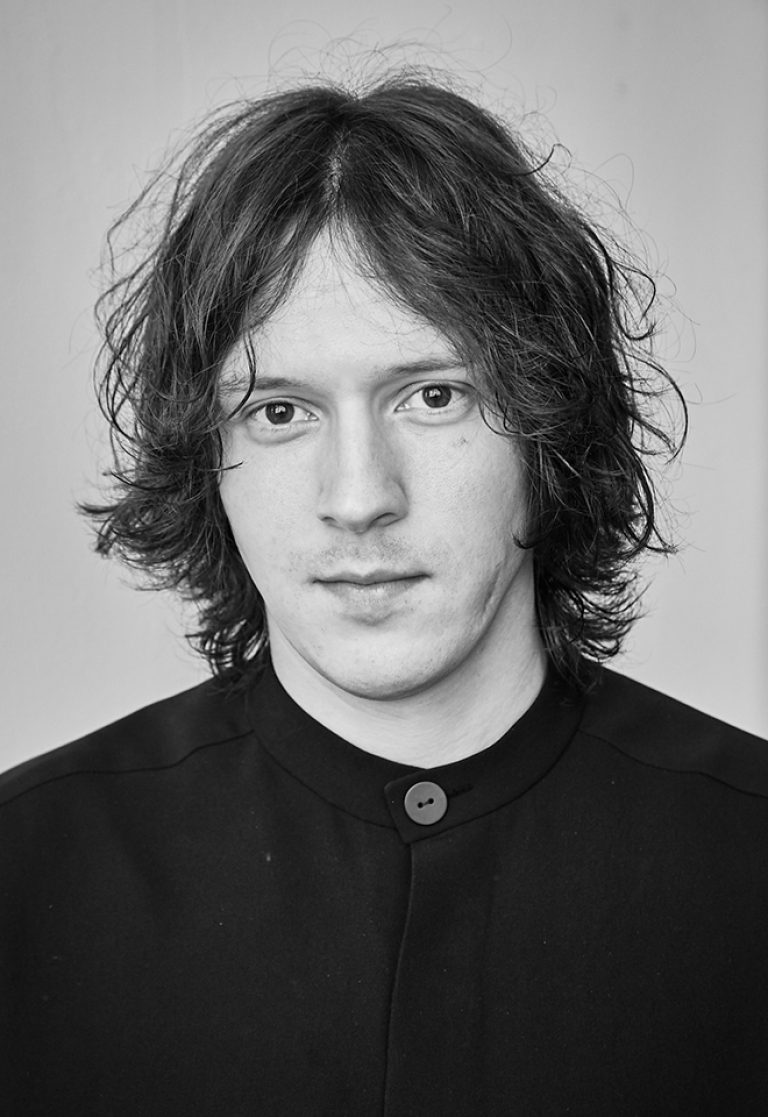
Daniel Wenzel is a German designer and creative technologist based in New York. Specializing in typography and generative processes, he balances at the intersection of art, design, and technology.
He has been part of DIA Studio for seven years and currently operates independently. Throughout his career, he has contributed to projects that utilize procedural thinking for the benefit of coherent systems and technological advancement. He has worked for internationally renowned clients including Apple, Google, Louis Vuitton, MoMA, Nike and The New York Times. His work has been featured in publications and exhibitions worldwide and recognized with awards such as Young Guns 22.
In addition to his professional practice, Daniel teaches at the Pratt Institute and Cooper Union in New York. Previously, he has taught the Master Visual Design, Typography program at ELISAVA in Barcelona, given workshops at HEAD Genève and HS Mainz, and lectured at KABK, Weltformat, TDC Inscript, and the MIT Media Lab, among others.
26A1® is an independent type foundry, established in 2022. Our approach is experimental, expressive and with the intent to challenge conventions.
We strive to create typefaces beyond aesthetics but for functionality and innovation. By leveraging technology, we aim to bridge the gap between classical type design and the possibilities of the future.
Our research is about challenging the boundaries of type design. We are searching for a realm where form follows function, where ambition drives innovation, and where the intersection of art, design, and technology becomes a canvas for positive transformation.
We aim to create software to advance the field of design—tools that streamline the design process or offer new frameworks, that open up new vistas of design possibilities. By making these tools accessible, we intend to empower a broader spectrum of designers to innovate and challenge the status quo. While we are driven to make a direct impact through our own work, we also recognize the exponential potential of equipping others with innovative tools, allowing them to effect change in their own unique ways.
