Wed, Apr 3, 2024
graphic.elisava lectures
7.30 pm — Sala Aleix Carrió
Open to the public
Julie Peeters
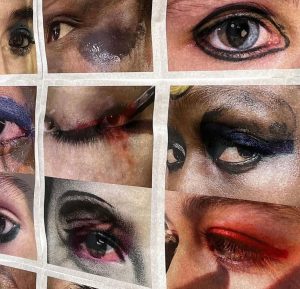
EYES
Open to the public
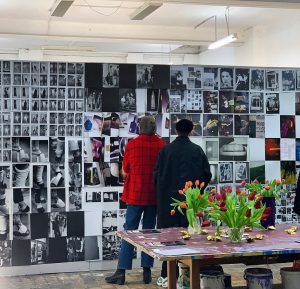
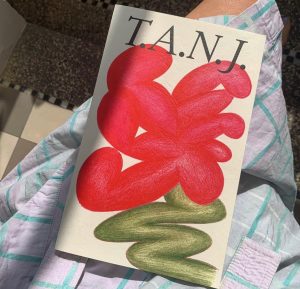
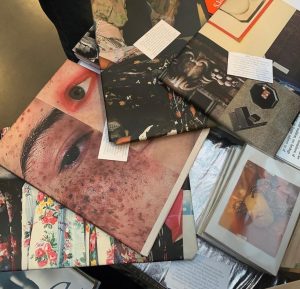
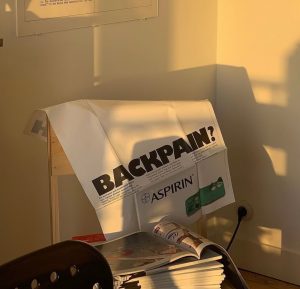
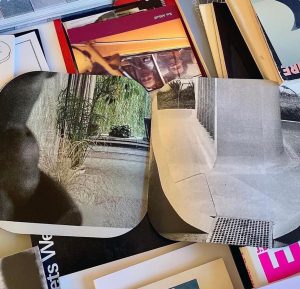
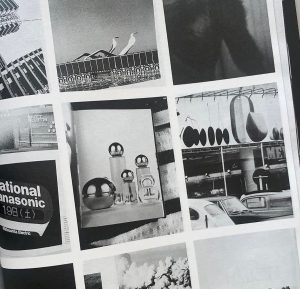
In my work as an independent graphic designer I’ve always been very focussed on images and how the printed image can communicate ideas and be read. For my lecture I would like to focus more on this, and explain how I’ve explored this throughout different projects. Starting from a few commissions to my self initiated work with BILL magazine and related publications, as well as MMDC a series of publications portraying libraries.
I will discuss my role as a graphic designer in commissioned projects, how these projects feed into editing BILL, the importance of paper and exploring the offset printing process and how I distribute my own publishing through curated events and gatherings.
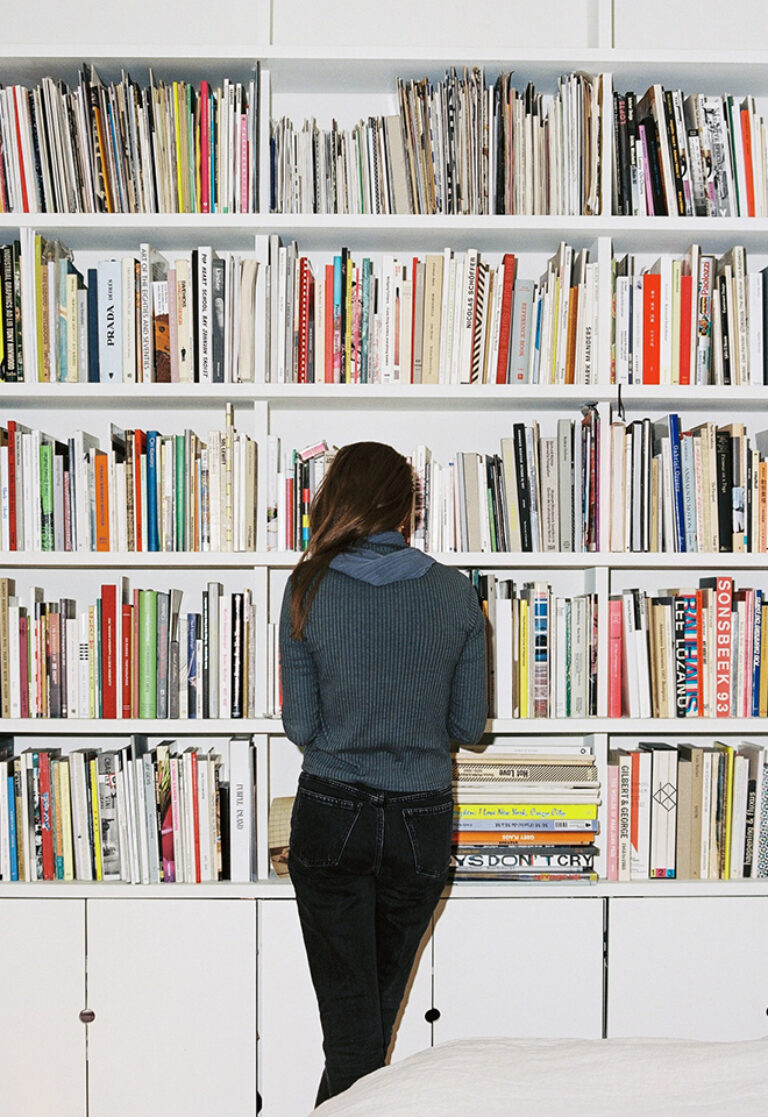
Julie Peeters (Hasselt, BE) is a designer and editor based in Brussels. She studied graphic design at Sint Lukas in Ghent, was a researcher at the Jan Van Eyck Academy (Maastricht) and graduated from the Werkplaats Typografie in 2009. Working closely with artists, photographers and curators around print is the core of her practice. In 2021, she presented her first solo exhibition, Daybed, at MACRO in Rome. Julie has worked on artist books with Linder Sterling, Silke Otto Knapp, Rosalind Nashashibi, Yuji Agematsu, Thomas Demand among many others.
Julie is the founder and creative director of BILL, an annual magazine of photographic stories and a publisher of slow visual material. Peeters has taught at the Gerrit Rietveld Academy, Amsterdam, and currently teaches at KASK School of Arts, Ghent.
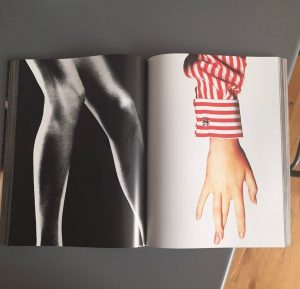
Overlapping design and visual arts with an editing, publishing and educational practice, my work explores the possibilities of printed matter as a medium and what it means to edit through design. In 2017 I founded BILL, an annual periodical that takes the form of a glossy magazine without words, presenting a collection of visual essays by invited contributors that explore the potential of printed images in a digital age.
My practice both questions and celebrates the power of print. By combining the roles of editor-in-chief and art director I use BILL as a tool to investigate ways to both create and present content, as well as a vehicle to investigate the possibilities of printing.
Once printed, BILL becomes a prompt for discussions on image distribution and consumption, how images are read on a page and what it means to publish a printed object in a time of climate collapse and digital communication