Events are an integral part of the master programs: from workshops with guests professors to lectures series with relevant practitioners.
Wed, Apr 8, 2026
Graphic — Elisava lectures
7.30 pm — Sala Aleix Carrió
Open to the public

Bart de Baets
Paperclips
Paperclips
In his lecture, graphic designer Bart de Baets will show a large variety of works and elaborate more on the ways they find their form and are realized eventually. Although Bart’s practice is mostly spent working at the studio in Amsterdam, it is alternated by a parttime teaching position at the Royal Academy in The Hague, where he works with the first year students and the ones graduating. The way he teaches and cooks up his assignments is inspired by transforming everyday observations (at times obsessions) into educational exercises. The students are triggered to think of formal executions that evoke solutions close to Bart’s own practice visualizing abilities and editorial voice.
Although appearing less frequently today, Bart’s body of work’s been known to feature self initiated publications, such as Success and Uncertainty (together with Sandra Kassenaar), Dark and Stormy (together with Rustan Söderling), and Tabrat, a zine from 2022 in which de Baets confesses to be a tab hoarder (phone only, the browser tabs on his laptop are opened briefly and closed again efficiently) and shares them here with us in the charming A4-sized publication. His editorial assets have not been forlorn, and are frequently demonstrated more so in his collaborative works for artbook shop Page Not Found and exhibition space Nest (both are located in the city of The Hague). The talk at Elisava will prominently feature all of these works—and more—and provide insights into the developments of these designs by showing sketches, references and many inspirations.

Graphic designer Bart de Baets (1979, Knokke, BE) is based in Amsterdam. His design for the Sandberg Institute’s temporary master programme The Radical Cut Up was nominated for a Dutch Design Award. As a result, PostNL commissioned De Baets to design a series of stamps titled ‘Talk to the Hand’. With Sandra Kassenaar he designed the exhibition, campaign and catalogue for ‘Circulate’, an exhibition on photographic art acquisitions at the Stedelijk Museum Amsterdam. The two also design the graphic identity of Kunstmuseum Bochum. He designed ‘On the Necessity of Gardening: An ABC of Art, Botany and Cultivation’ (2021), which was published parallel to ‘The Botanical Revolution’, an exhibition at the Centraal Museum, Utrecht. That year, the Stiftung Buchkunst awarded the book with the highest prize in the category Best Book Design from all over the World. A second title in that series, Mothering Myths, an ABC of Art, Birth and Care was released in May of 2025, for which he collaborated once again with editors Laurie Cluitmans and Heske ten Cate. He holds a part-time teaching position at the Graphic Design department of the Royal Academy of Art in The Hague, and he has taught at the Gerrit Rietveld Academie in Amsterdam for fifteen years.
Being educated by notorious wild collaborator Will Holder, the radical typographic thinkers of Experimental Jetset and conceptual makers like Linda van Deursen, triggered Bart de Baets to think like an editor early in his graphic design studies, making zines with and for his peers, or whipping up catchy writings to go with his posters and projects. His design skills were fed ferociously when working with Maureen Mooren and Daniel van der Velden (now Metahaven) whose interest in art inspired him. For them, that always seemed to come first, then design. For the pages of Archis (an architecture magazine–now Volume), the layouts of existing periodical publications were used to give form to the magazine’s content, and Bart was taught to study their characteristics and so became an excellent copycat.
Over the years de Baets’ body of work has developed immensely mostly so by certain significant collaborations. A few early memorable ones have been those with Melanie Bonajo and Frank Koolen, two (then) Amsterdam-based artists not much older than himself and whose practice inspired an idea on which to work together, and which, in a way, kicked off de Baets’ career. The likes of Rustan Söderling and Sandra Kassenaar are of similar influence and remain crucial design partners; both are good friends to this day. Their influence on some self initiated works, such as Dark and Stormy and Success and Uncertainty is essential for de Baets’ current design approach and visual language. Kassenaar and de Baets nowadays share a studio and work together as designers regularly.
His designs are rooted heavily in a kind of conceptual thinking, and his abilities to think along editorially with commissioners has given Bart’s body of work an outspoken character. His work is distinctively playful and seemingly intuitive, giving the impression that the designs could be made quickly or hand-made. Yet, each one of the designs is a carefully put-together composition made according to a bunch of guidelines and often uses typography or visuals referencing things “found” on the street. For years Bart’s been a teacher in graphic design often working with the first year students, introducing them to the job. Surrounded by other designers, skilled coders, letter drawers and colour wizards, his teaching encourages to explore what it’s like to make art and design in today’s environments by demonstrating personal fascinations.


Wed, May 27, 2026
Masters’ Talks
7.30 pm — Event at DHub
Open to the public

Jonas Janke, b+
Love me one time, two times … x times !
Love me one time, two times … x times !
The lecture is not a conventional showcase of selected projects from our daily practice, but rather aims to provide a broader insight into the network of actors in which b+ (bplus.xyz) operates, how we understand the contemporary way of an architectural practice and scope of work of an architect, and how we approach our projects—in short: who b+ is and how we work, what our values are, and what our understanding of our duties and responsibilities as architects is.
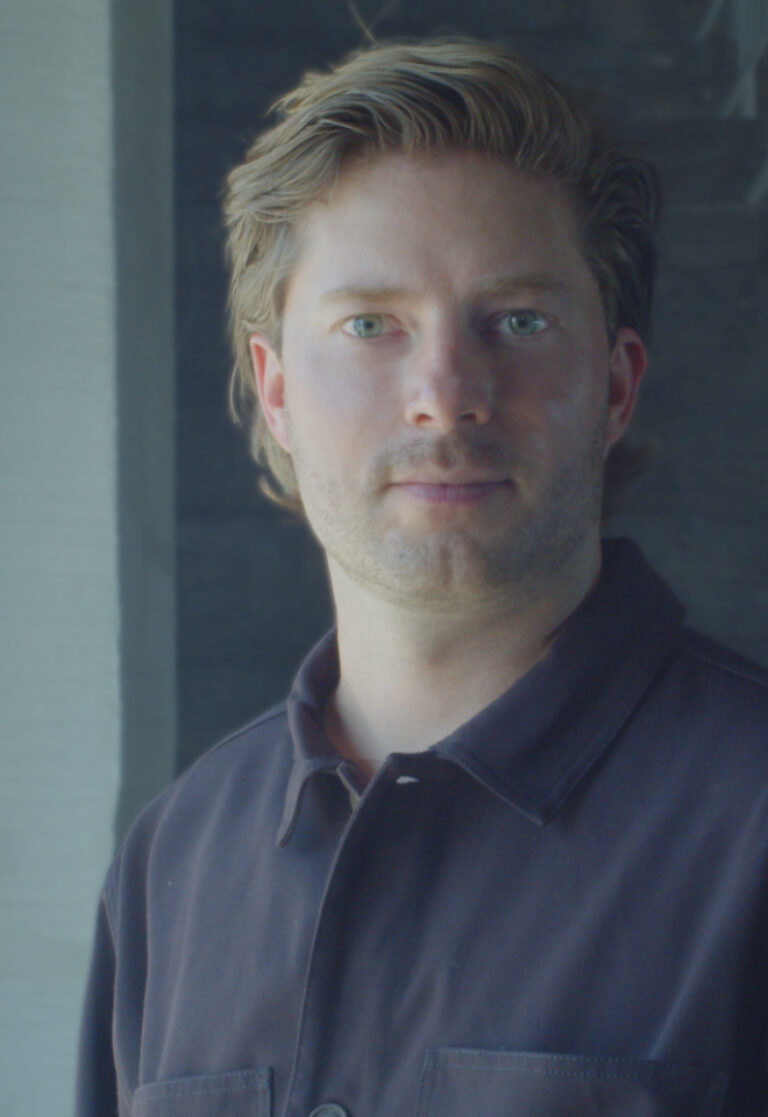
Jonas Janke (DE, 1991) is an architect and partner at bplus.xyz (Berlin). He has a diverse background in architecture, was trained as an architectural draughtsman before pursuing his studies in Hamburg, Stockholm, and Berlin. He gained valuable experience as a tutor and assistant in various departments including design & typologies, building construction, and structural design. He was part of the team 2038, the German Pavilion at 17th Venice Architecture Biennale 2021.
His early teaching experiences include guest studios at the University of Innsbruck (Austria) and Politecnico di Milano (Italy). He is regularly invited to give lectures and guest critiques at universities, cultural institutions, and public institutions. His focus is on new ecological construction materials and methods for adaptive reuse and renovation projects, seeking pragmatic and efficient technical and mechanical solutions that use material and construction thoughtfully.
bplus.xyz (b+) is a collaborative architecture practice (led by Arno Brandlhuber, Olaf Grawert, Jonas Janke and Roberta Jurčić) that operates at the intersection of theory and practice, using different media and formats. The practice seeks to engage with the contemporary challenges of our time, particularly those related to the social-ecological transformation of existing buildings, offering economically viable solutions.
b+ understands architecture as an open process, and views buildings as part of larger systems that require a systemic approach. The practice sees the given framework of existing buildings and legislation as an active design tool with the potential for transformation. Thus, b+ celebrates the potential of the existing built environment and aims to reveal and activate the latent potentials within.
b+ emphasizes working with different actors and stakeholders in project development. The practice values their knowledge and expertise and aims to create spaces for exchange and collaboration. b+ seeks to advance a new value system in architecture, one that places greater emphasis on collective responsibility, systemic thinking, and ecologically and economically viable solutions.
The current project in the field of political activism is the European citizens’ initiative HouseEurope! – HouseEurope! wants to create incentives that make renovation the new norm. This will boost the renovation market and give new value to what is already there. The goal is to preserve homes and communities, ensure a fairer and more local building industry, save energy and resources, and preserve our memories and stories.


past events
Novembre 30
↳ December 4, 2020

Martin Lorenz, TwoPoints.Net
Workshop
Systemic Type Design
Only for MVD students
Systemic Type Design
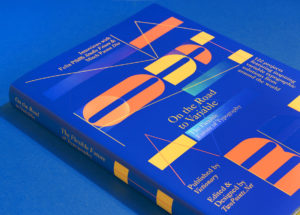
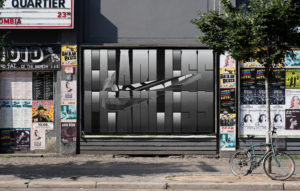
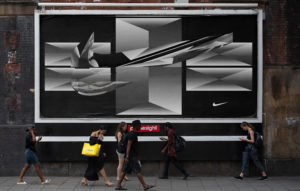
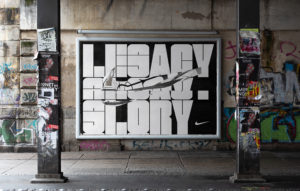
We live in a (new) golden age of systemic type design. New technologies and easy to use programmes leveled the playfield for emerging designers and gave them the chance to experiment with new ideas. The world of display fonts has witnessed a lot of new impulses in the last years. Type has become more flexible, variable and kinetic as ever, adjusting efficiently and effectively to new communication channels.
Systemic Type Design is more than designing fonts. A type system is an efficient design tool that helps designers to design. If done well, the act of writing is the act of designing without the need to further layout the text. In this course we will develop an experimental type system that almost automatically generates fantastic design applications.
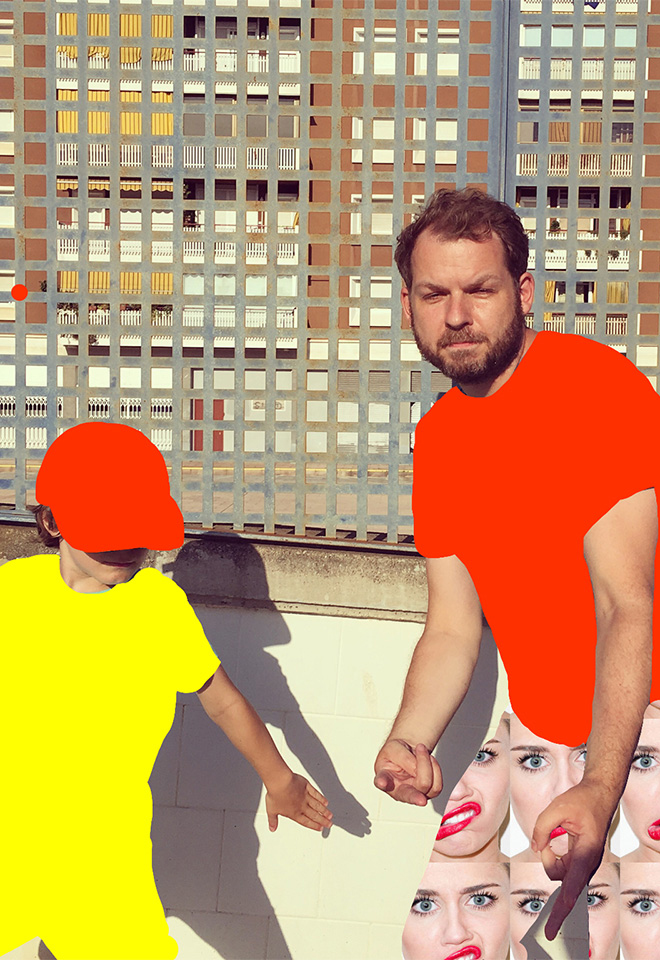
Martin Lorenz
might as well have become a cook, a comic artist or an architect, were it not for an internship at Müller+Volkmann. Lorenz studied Graphic Design at the University of Applied Sciences in Darmstadt and the Royal Academy of Arts (KABK) in The Hague. After working four years at the design agency Hort, he moved to Barcelona to found TwoPoints.Net with Lupi Asensio and do his MA and PhD in Design Research at the UB. Lorenz has taught since 2006 for Elisava and still likes to cook.
Wednesday,
November 25, 2020
6.15 pm

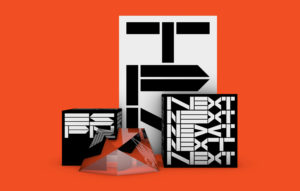
Albert Folch & Rafa Martínez, Folch
Case Studies
Latests projects
Only for MVD students
Latest projects
In an accelerated world, every aspect of our lives is in constant change. At Folch we bring together different disciplines to respond to every brief, always seeking to have an atypical vision. Each project is an opportunity to design concepts, brands, narratives and digital events, reaching and involving audiences to this new liquid paradigm.
Folch
is a Barcelona-based editorial and branding agency, founded in 2004. Creating concepts, brands and narratives, the studio has developed a holistic approach to today’s communications challenges, reaching and engaging audiences with a broad range of graphic, audiovisual and editorial content across a myriad of platforms, according to the new business paradigm.


Wednesday,
November 18, 2020
6.30 pm

Vladan Joler + Bani Brusadin
Open Talk
Vladan Joler, Explorer of Contemporary Phenomena
Prof. Vladan Joler
[b. 1977] Is an academic, researcher and artist whose work blends data investigations, counter cartography, investigative journalism, writing, data visualization, critical design, and numerous other disciplines.
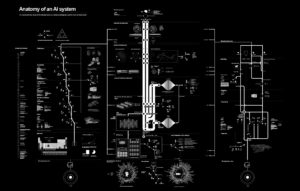
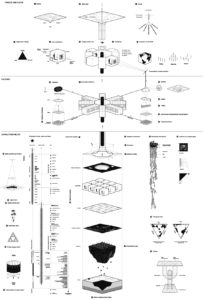
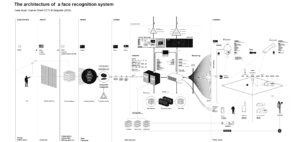
He explores and visualizes different technical and social aspects of algorithmic transparency, digital labor exploitation, invisible infrastructures, and many other contemporary phenomena in the intersection between technology and society.
Vladan Joler’s work is included in the permanent collections of the Museum of Modern Art, New York (MoMA), the Victoria and Albert Museum (V&A) and Design Museum in London and included in the permanent exhibition of Ars Electronica Center.
Aside from his permanent professorship position, i.e. tenure, at the Academy of Arts in Novi Sad, Serbia, where he teaches at the New Media department, he has given lectures at numerous educational and art institutions.
A dialogue between Vladan Joler and Bani Brusadin
Together they will explore Joler’s rather fascinating character at the intersection of research, data visualization, cartography and art.
Among other topics, they will discuss together on how to visualize different technical and social aspects of algorithmic transparency, digital labor exploitation, invisible infrastructures, and many other contemporary phenomena in the intersection between technology and society.
November 11 → 13, 2020

Edgar Pons, Who is afraid of Technology?
Workshop
Who is afraid of Technology?
Only for MADD students
Who is afraid of Technology?
Technology constitutes an essential topic if our duty is to understand how our contemporary society works. Today, more than ever, technology plays an important role not only improving (or not) our daily lives, but also gathering, analyzing and visualizing almost all kinds of information. In this workshop we will learn the basics of programming in Arduino and Raspberry, to detect and automate signals. We will also learn how to choose the best platform to solve a technological project. And we will learn the basics to hack an analog automatism.
We will use various programming boards to detect analog signals and thereby interact with our code. We will learn the operation of the main electronic components to develop customized boards, to finally create our own. Finally we will learn how to hack a bolt opening system with NFC cards.
Technology and automation gives us countless options and power when facing projects. Knowing the capabilities we have and having a base on how to use them will allow us to take our projects much further.
Edgar Pons
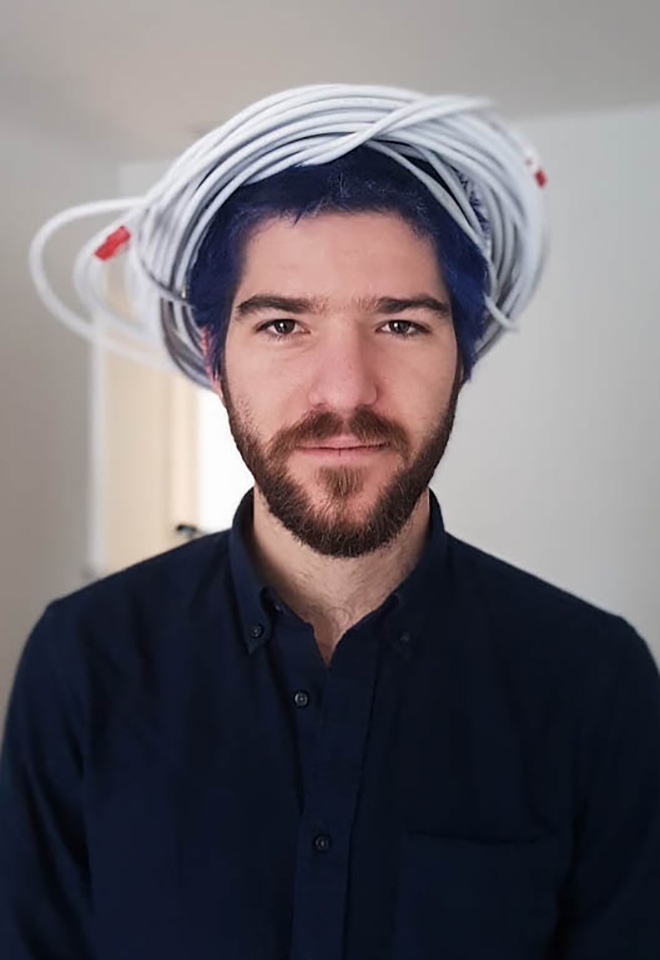
Graduated in Industrial Design Engineering created his first company in 2011: The Social Coin, storifying kindness. He has collaborated with DDS giving support in the creation of interactive systems and experiences. He is working now in R&D at Ymaging, creating systems interpretating complex data in sectors such as smart farms, biomedicine and geophysics. In the meantime he is launching Nanoboost, a Startup related to “Smart Pills” with the objective of enhance brain capabilities.


Wednesday,
November 11, 2020
4 pm

Antonio Nogueira, Mucho
Showcase
Graphic Rhetoric & Creative Tools
Only for MVD students
Graphic Rhetoric & Creative Tools
Could we manage to become more creative? Is there a secret to improve this ability?
Constantly we find ourselves out of ideas, it is like if someone had left a tap running – our mind gets empty, we get stuck and the ideas that come to mind do not seem to be enough.
This session tries to offer resources to face this kind of situation working on one specific tool: The rhetorical figures of the language. One more tool to help you understand that the possibilities can always be expanded.
Antonio Nogueira
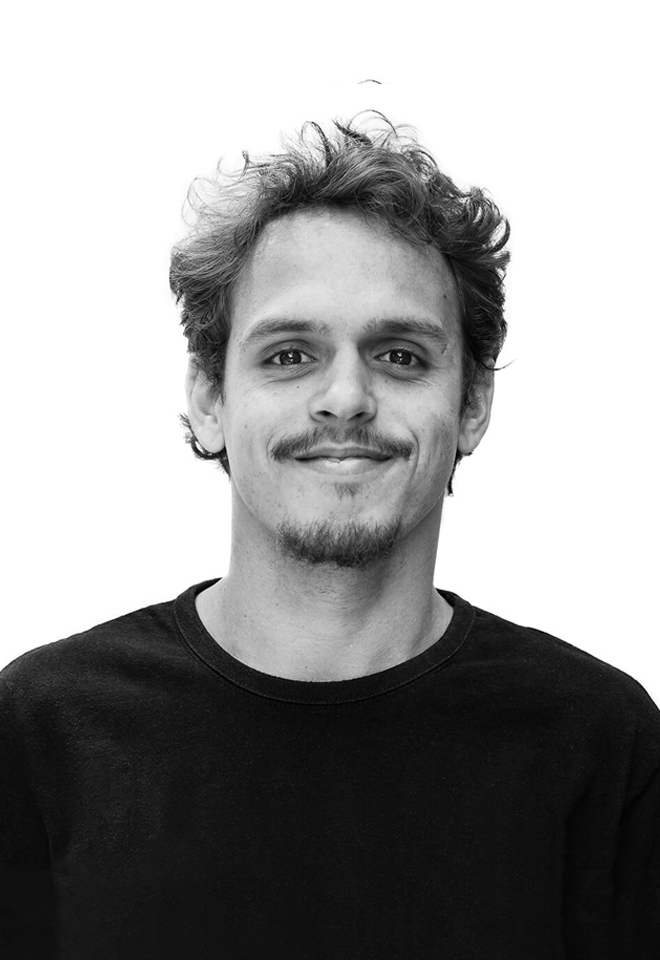
Graphic designer at Mucho. He works on projects in multiple sectors: Cultural, education, technological, etc. Always with the purpose of generating culture through design, using creativity as a way to create new experiences.


Wednesday,
November 11, 2020
6.30 pm

Anna Díaz, Hamill Industries
Open Lecture
Light, sound and visual illusions
Light sound and visual illusions
Hamill Industries will share the techniques hidden behind their latest projects and collaborations: from sound visualisation processes to commercial work and new creative challenges.
Hamill Industries
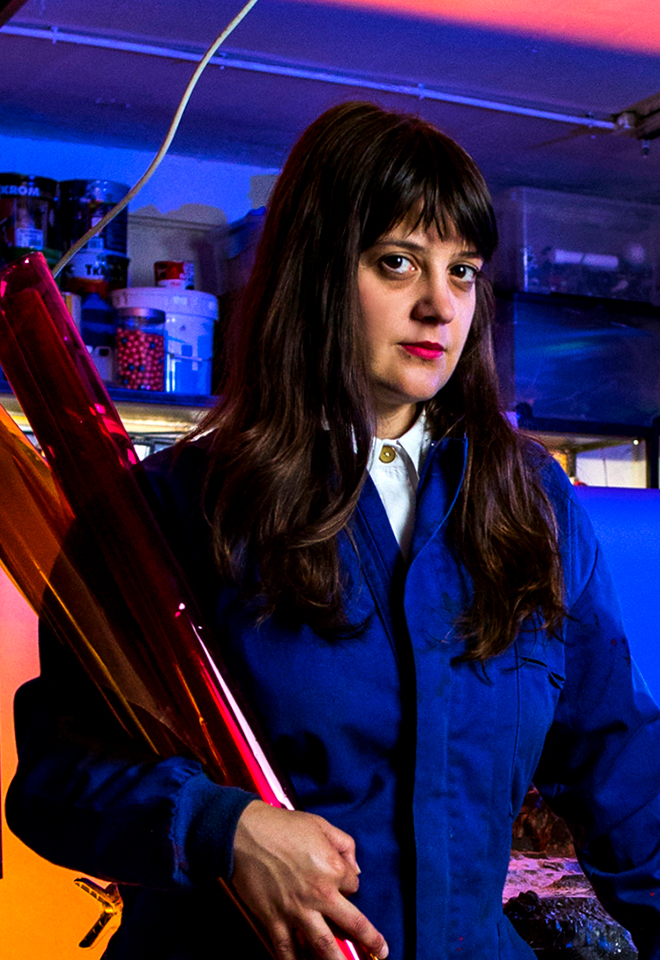
is a creative studio specialised in the convergence of technology and the arts. They develop innovation projects thanks to crafted technology, evocative design and visuals, creating new formats of visual communication. The studio, composed of Pablo Barquín and Anna Diaz, carries out artistic and technological research in the field of visual arts and innovation, by combining new media, digital or practical effects and experimental technologies with mechanical inventions.
They work across multiple mediums including advertising, music videos, art installations and live performances. Since 2015, they have been touring worldwide together with Floating Points creating his mesmerising visual shows, and have lectured and presented their work at internationally recognised festivals and institutions such as SONAR Festival, ARS Electronica, Matadero and The Barbican.


Wednesday,
November 4, 2020
6.15 pm

Daniel Ayuso, Clase
Case Studies
Enea, Vibia y Delicious & Sons
Only for MVD students
Enea, Vibia and Delicious & Sons
In this session we will be able to see through Case Studies of real projects from the studio how a brand identity is developed and how it is strategically translated into the different communication elements on and offline to define a recognizable and transversal personality.
Daniel Ayuso
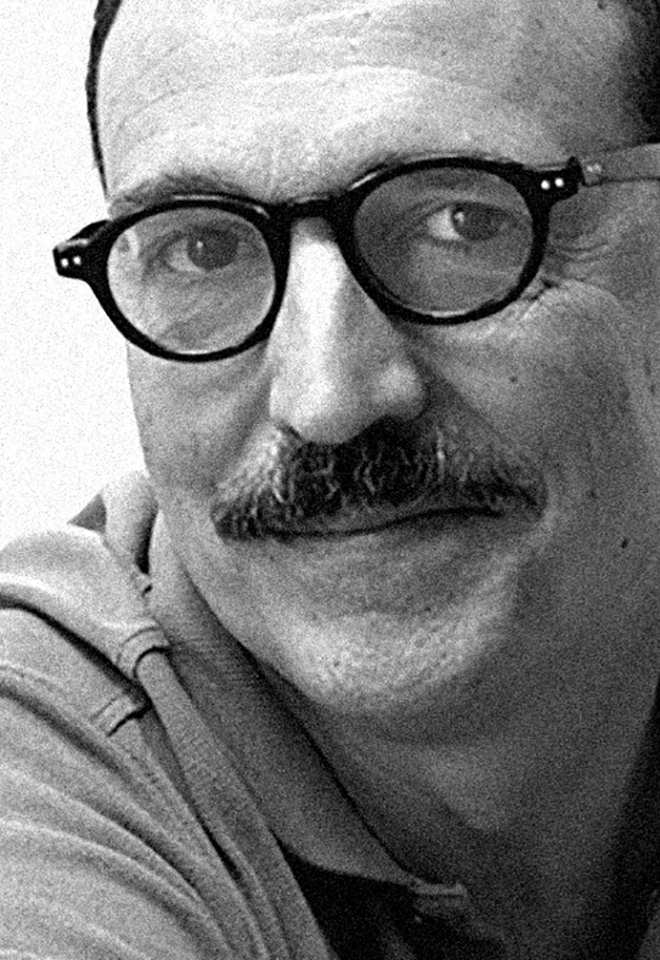
is a partner and creative director at Clase studio. Since 2016 he is President of the Association of Art directors and Graphic Designers ADG FAD. He is an associate professor at the Elisava School and the UPF. His trajectory has expanded from his training in graphic design to the development of more complex Visual Identities in which communication and visual language build a brand discourse through design itself, art direction in photography or audiovisual.


