Events are an integral part of the master programs: from workshops with guests professors to lectures series with relevant practitioners.
Wed, Oct 21, 2026
Graphic — Elisava lectures
7.30 pm — Sala Aleix Carrió
Open to the public

Luisa Milani, La Tigre
An illustrated alphabet of vibrant matters
An illustrated alphabet of vibrant matters
La Tigre looks at graphic design as a living material: shapes that breathe, colours that vibrate, signs that shift between the abstract and the figurative. The talk composes an illustrated alphabet of the qualities that guide the studio’s work, from synthesis to colour, from research to play. A journey through forms and words, where visual language becomes a playground and every element, however small, has something to say.
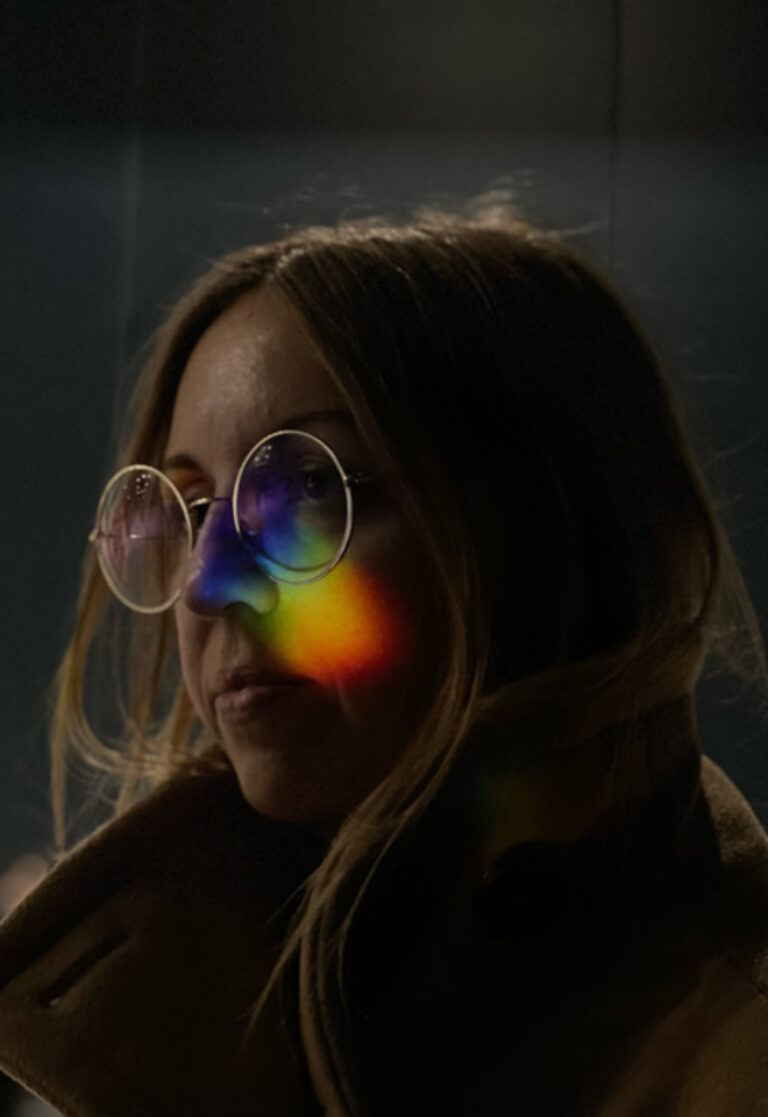
Luisa Milani is the art director and co-founder of the independent graphic design studio LaTigre. She studied at Politecnico di Milano and, a few years later, in 2009, founded the studio. Alongside her practice, she has spent several years teaching. Always in search of the sublime in color and form, her design approach is solid and concrete, yet spontaneous—free from constraints or creative limits. She draws inspiration from everything around her, making intuition a core aspect of her practice. A long-time yoga practitioner, she brings the same balance and awareness to her creative work, leaving room for serendipity, her motto.
La Tigre is a graphic design studio founded and directed by Luisa Milani and Walter Molteni, members of AGI (Alliance Graphique Internationale). Since 2009, the studio has been developing multiform visual languages in which formal research is driven by synthesis and a vibrant use of color, where the boundary between the abstract and the figurative at times becomes blurred. It collaborates with international entities such as Apple, Bitossi Home, Living and Abitare – Corriere della Sera, Max Mara, The New York Times, Phaidon, and Wired USA. Alongside commissioned projects, the studio conducts experimental research across various media.


Wed, Nov 4, 2026
Masters’ Talks
7.30 pm — Event at DHub
Open to the public

Izaskun Chinchilla
Los barrios del buen vivir: A Perspective from Tentative Design
Los barrios del buen vivir: A Perspective from Tentative Design
What if designers made fewer mistakes if they stopped trying to get it right the first time? Neighborhoods of Good Living explore a city understood not as a finished object, but as a living laboratory: spaces that are tested, inhabited, evaluated, and transformed. The lecture will explore the work of Izaskun Chinchilla Architects and the book Neighborhoods of Good Living to ask what happens when design abandons certainty and embraces hypothesis, experimentation, and adaptation. A perspective from tentative design to conceive of well-being as something experienced collectively.

Izaskun Chinchilla, a professor at the Bartlett School of Architecture, University College London (UCL), and an honorary fellow of the Royal Institute of British Architects (RIBA), integrates ecology, care, and participation into her practice, research, and teaching. Her work promotes more equitable and sustainable cities. She combines design, critical thinking, and cultural knowledge to promote an architecture that is educational, cooperative, and oriented toward the common good. She is the author of La ciudad de los cuidados (Catarata, 2021) and Los barrios del buen vivir (Catarata, 2026).
Izaskun Chinchilla Architects is a group of architects led by Izaskun Chinchilla that brings together interdisciplinary teams for each project. Their work focuses on optimizing the environmental performance of architecture, public space, facilities, art, and cultural products through innovation. Public engagement and social participation are pillars of their practice, which promotes collaboration in the construction of shared spaces and community-based decision-making regarding the use, location, and characteristics of the facilities they design.


past events
Wednesday,
June 9, 2021, 6.30 pm

Johannes Breyer, Dinamo
Open Lecture
Type Mystery Tunnel
Type Mistery Tunnel
About Dinamo variable way of working and the use of in-house design tools as a method to explore new aesthetics and the gestural potential of typefaces. We’ll look at what considerations influenced the making of their recent typefaces ABC Arizona or ABC Gravity, or bespoke projects for the SF Symphony, Goat, ON and Rimowa. For the business people amongst us we’ll take a glimpse into 1 year of collected sales statistics that lead to creating and offering a new model to license fonts, and try to fortune-tell where all of this might be going.
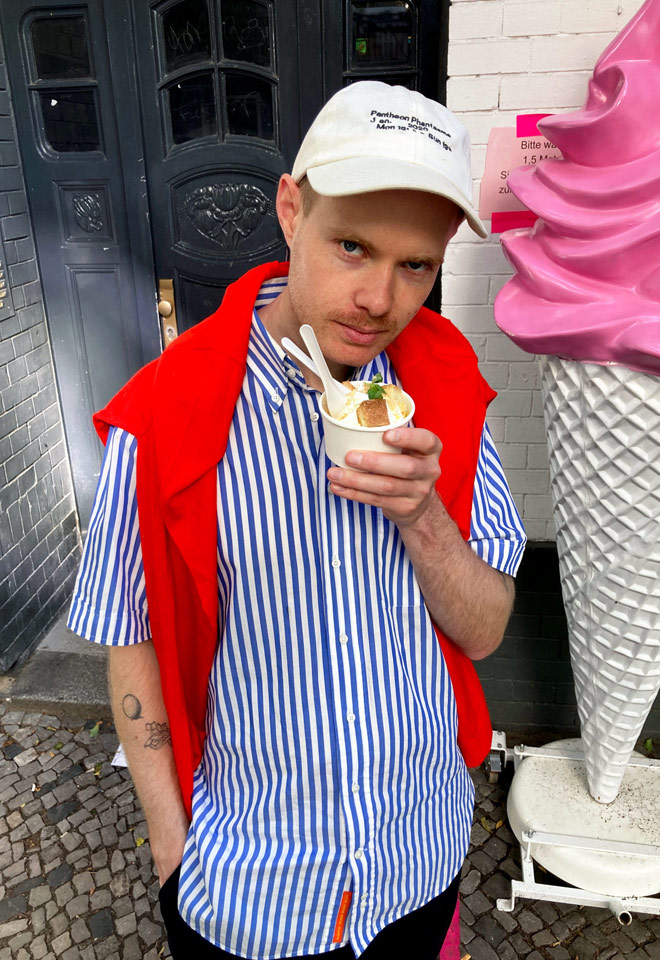
Johannes Breyer is a German / Chilean graphic designer based in Berlin. Se habla un poco Español. He studied in Zurich and worked for design studio NORM before graduating from the Gerrit Rietveld Academie in Amsterdam. Together with Fabian Harb, he is running the Swiss type design practice DINAMO.
Dinamo is a Swiss type design platform that offering retail and bespoke typefaces, design software, research, and consultancy. Founded in Basel we operate via a network of satellite members across the globe. Members of Dinamo are visiting teachers at various art academies and have been invited to give workshops and lectures at an international roster of educational institutions. Clients range from the 1 person-run cultural publisher to the International Olympic Committee. Dinamo won the Swiss Design Awards 2017, and are members of the AGI as of 2018.


Wednesday,
May 19, 2021
6.30pm

Óscar Germade, Job Title: Art Director
Open Lecture
Job Title: Art Director
Job Title: Art Director
In 2017, Vogue Spain took a new editorial direction that brought about a new art direction by the hand of Óscar Germade. This process is still alive today thanks to a project that gives as much importance to the image as to the type. A story in chapters of how, when and where one accepts the challenge of designing a magazine where everything has been said, written, heard, seen, criticized and praised. A visual review of Vogue’s relationship with design and art direction, of the dialogue between fashion and typography, of tradition and novelty.
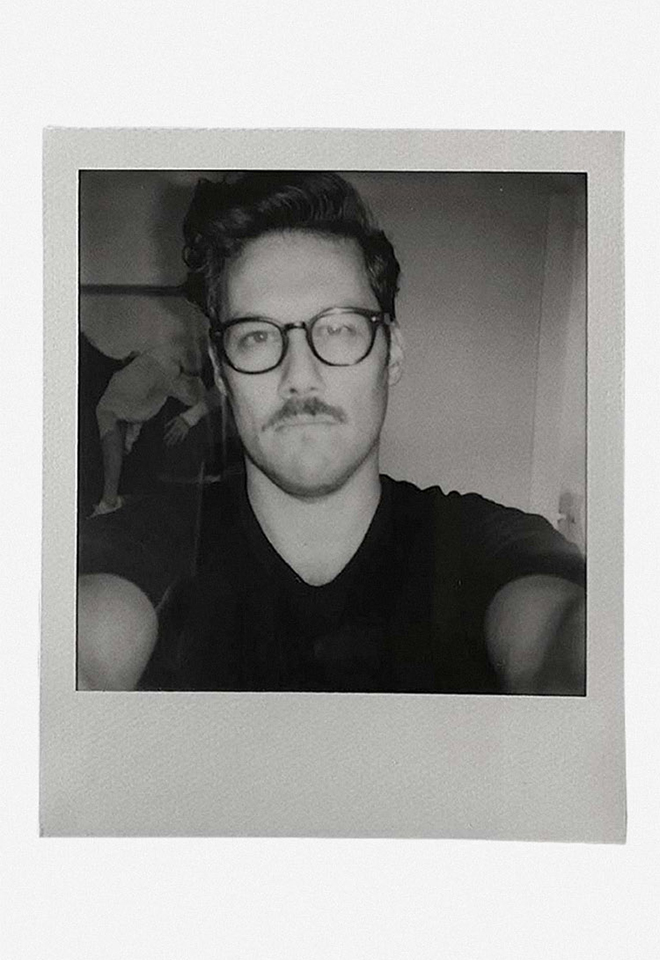
Óscar Germade
(A Coruña, 1983) founded Solo in 2011, a design studio specialized in brand identity and editorial design. This project allows him to venture into different cultural fields, such as fashion and the media. Perhaps the greatest strength of the project -from which he has collaborated with brands such as Simon Miller, Nike, Oysho and El País- is the precise and forceful use of typography and photography, combining digital and analog techniques.
In 2017, he takes over the art direction of Vogue Spain, a leading magazine in the national editorial market.
Throughout his professional career, he combines the work of design and art direction with various teaching activities: he has been a professor of editorial projects in the Master in editorial design at Elisava, he was thesis director and degree coordinator at IED Barcelona and, since 2020, he has been a professor of typography at IE School of Architecture and Design.


May 10 → 14, 2021

Raúl Goñi, Critical Design
Workshop
Critical Design
Only for MADD students
Critical Design
How can we be good designers without questioning the world we live in? We strongly believe in the great value of being critical, not in a destructive way but always trying to find the whys behind the certainties and through being obsessed with the constant research of a way to do it better.
Designers observe, adopt a stance, collaborate, engage, adapt, write and debate when creating proposals. Designers with critical thinking, looking for problems, at the service of society, satirical and provocative that makes us think about how the world could be. In this workshop we will work on the positioning of the future designer and his social role as a message issuer.

Raúl Goñi
Navarrese, designer and teacher, in that order. Trained as a graphic designer in Pamplona and Barcelona. Posterist by profession he is a founding member of FestadelGrafisme.org and the new TallersdelaFesta.org in Portbou, a transdisciplinary event that focuses on people and their relationship with design from a playful point of view and a cross-border condition. Teacher since 2006 specialized in Art Direction and in the development of Final Degree Projects in various schools.


May 3 → 7, 2021

Jon Uriarte, Photobook
Workshop
Photobook
Only for MED students
Photobook
Introduction in the world of the photobook from its foundations, history and current situation.
Students will acquire knowledge about their conception and work process developing a project with an author. Narrative, rhythm and sequence when the main content is image.
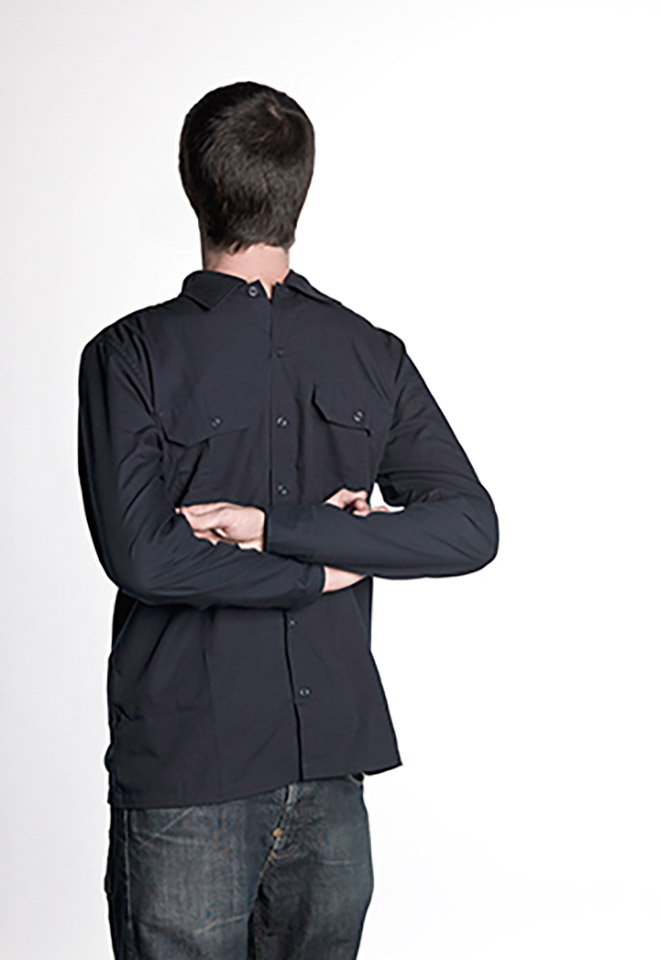
Jon Uriarte
He studied photography at the Institut d’Estudis Fotogràfics de Catalunya and at the International Center of Photography in New York, as well as a master’s degree in Artistic Projects and Theories from PhotoEspaña and the Universidad Europea de Madrid. He has exhibited in various art centers and galleries, both in collective and individual shows, among which are La Casa Encendida in Madrid, the Koldo Mitxelena in Donostia, Studio 304 in New York, the HBC center in Berlin and the Sala d’Art Jove in Barcelona.
He was the founder of Widephoto, an independent platform dedicated to curating and activities around contemporary photography. In addition, he conceptualized and coordinated for 3 years DONE, the project on reflection and visual creation promoted by Foto Colectania. He currently lives in London, from where he combines the curatorship of The Photographers’ Gallery digital programs with the curatorship of the Getxophoto International Image Festival.

Wednesday,
April 14, 2021
6.30 pm

Alvaro Dominguez, The New York Times, a Duck With Sunglasses and a Cucumber Walk Into a Bar
Open Lecture
The New York Times, a Duck With Sunglasses and a Cucumber Walk Into a Bar
The talks may or may not contain: starting a freelance career in the middle of a financial crisis. Reaching out to clients all over the world without previous contacts but with internet. Horses. Showing the budget of every project. Rainbows. The high and lows of an editorial illustration career. Dinosaurs. Establishing healthy habits. Cucumbers. Personal experiments. Two ducks with sunglasses playing tennis with chainsaws. Not knowing what I’m doing. Poodles.
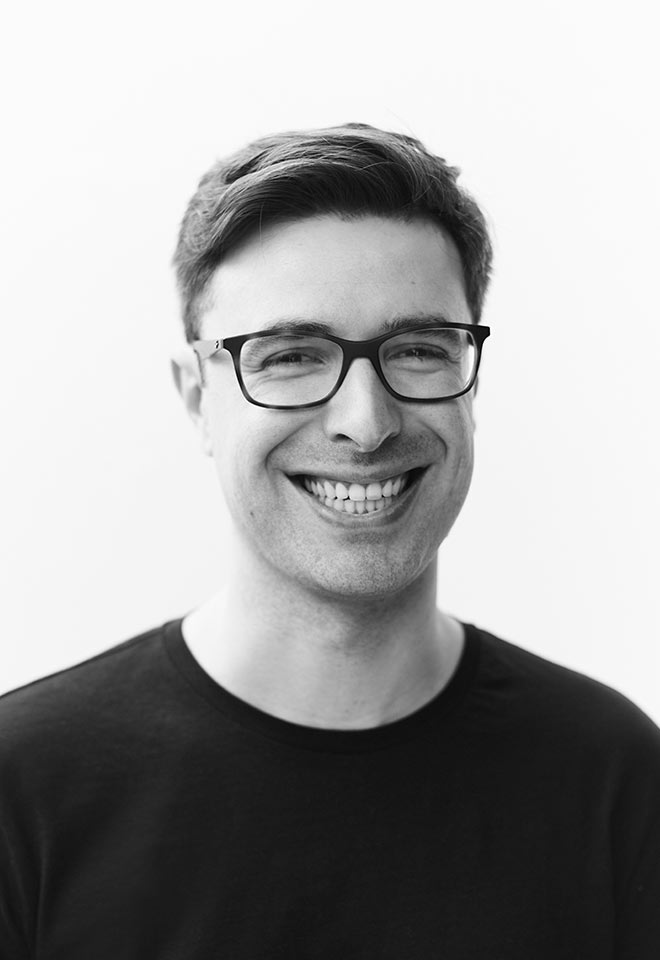
Alvaro Dominguez is an Ilustrator and graphic designer. He has collaborated with The New York Times, Apple, Showtime, Time Magazine y Wired among others. His work has been recognized by American illustration and The New York Times Most Notable Illustrations.


Wednesday,
March 24, 2021
6.30 pm

Nacho Padilla, Cities > Brands
Open Lecture
Cities > Brands
We will reflect on brand-cities and the externalities of this vision. We will see examples of all this through questions to be answered and paths pointed out, explored and to be explored. We will talk about how to cultivate the constancy of failure, about the differences between being a citizen and a client, about the peculiarities of working for the public sector, about not knowing what we do not know. We will look at what creative management can and cannot bring to a public administration.
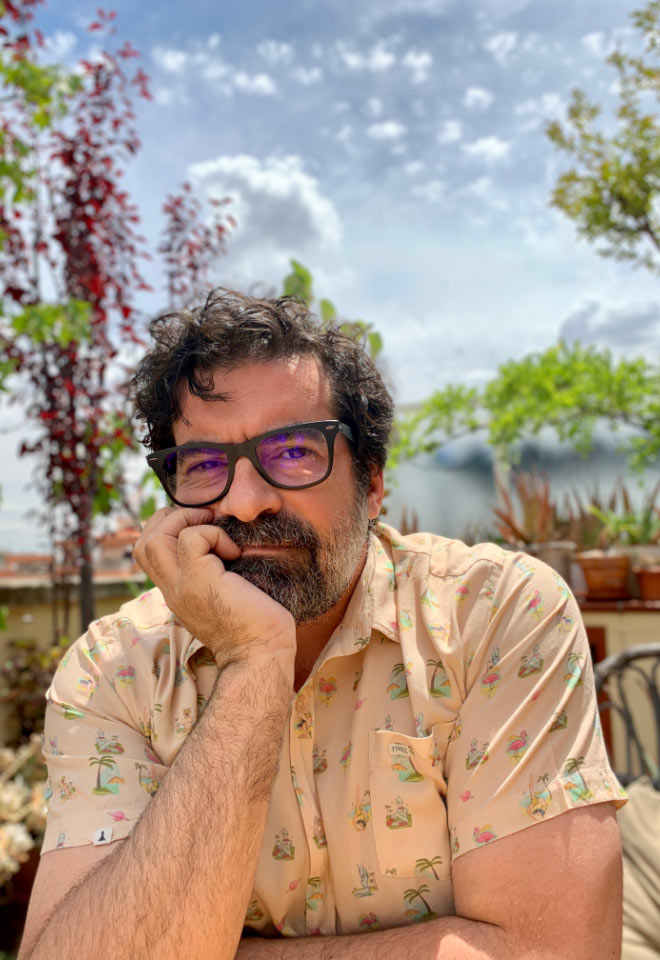
Nacho Padilla (Madrid, 1970) has a degree in advertising and PR from the UCM. He has worked as a copywriter at McCann Erickson and as creative director at Contrapunto BBDO. In 2010 he founded Viernes, a studio that applies creativity to projects in sustainable mobility, public administration, third sector, CSR and social economy and innovation. In 2016 he left Viernes to take over the creative direction of Madrid City Council. Since May 2020 he has been the creative director of Barcelona City Council.


March 8 → 12, 2021

Irene Pereyra, Anton & Irene
Masters’ Interdisciplinary Workshops
Barcelona 2.0
Open to all Master students
Barcelona 2.0
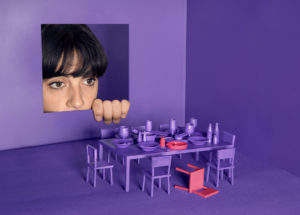
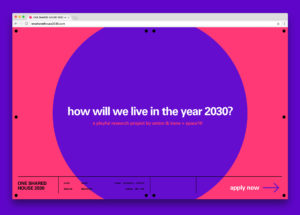
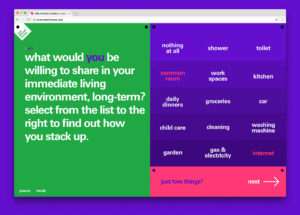
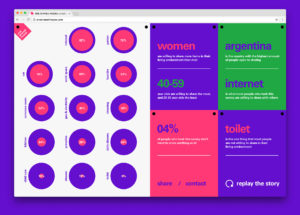
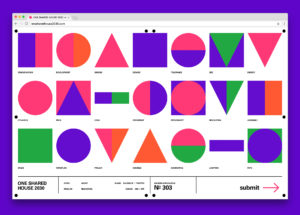
The aim of this workshop is to come up with a way that could improve Barcelona public life.
Each team will choose an existing item or service to improve—like for example trash collection, the metro, bicing, etc.
At the end of the week, each team will present their “upgraded Barcelona 2.0” idea. The final solution can be as realistic or fantastical as you would like it to be and can be presented and explained in the material or software of your choosing.
We will be getting to the solution by going through a variety of creative thinking exercises that will encourage participants to let their imaginations run wild by dreaming up the most unattainable, extreme, and impractical solutions you can think of in order to come up with a final solution. The goal of the workshop is to dig deep into how we come up with creative solutions, and understand the tools and processes available that are proven to tap into our creativity so you can apply these techniques to solve any kind of design problem you might encounter in the future.
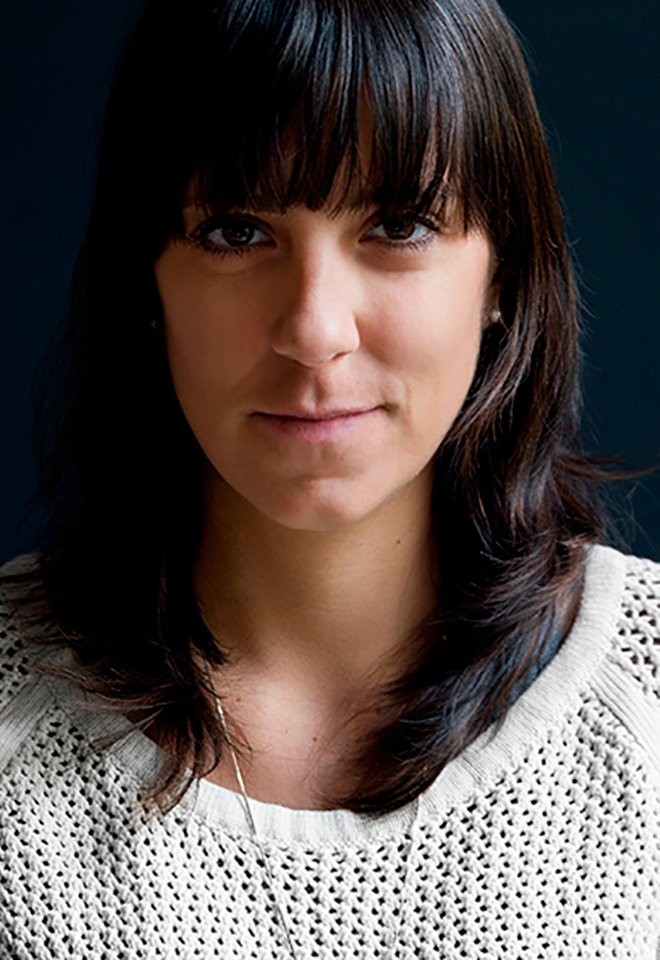
Irene Pereyra
Co-founder of the Brooklyn based design studio “Anton & Irene”. She has led the strategy and UX initiatives for relevant clients for both the web and cross-platform applications. Her work has been recognized by numerous awards.
Irene has been a guest speaker at numerous conferences such as OFFF and FITC, and has lectured at SVA in New York, Hyper Island in Stockholm, Harbour.Space in Barcelona, and the Design Academy in Eindhoven. Her personal projects have been shown around the world.
March 8 → 12, 2021

Martí Guixé, Seeds
Masters’ Interdisciplinary Workshops
Seeds
Seeds
The aim of the workshop is to develop strategies, objects or actions around the seed element and in relation to issues such as reforestation, gardening, conservation, politics and food.
To understand how design can be with nature and not only against nature.
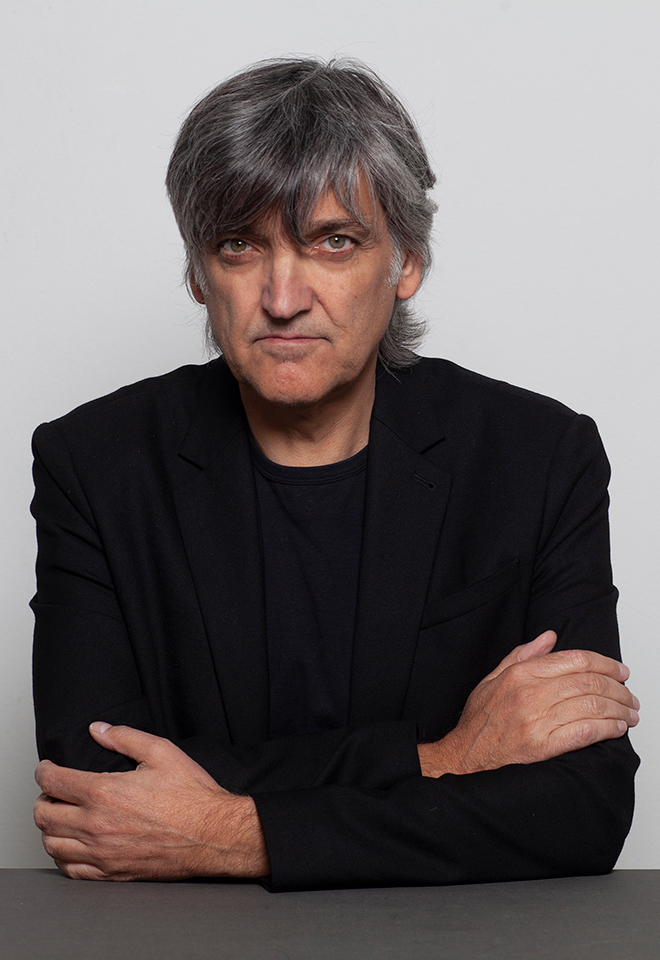
Martí Guixé comes from the background of every good designer, with an academic curriculum to his credit and work done with famous firms. But as revolutionaries today are born within the institutions that trained them, he revolutionizes design by working on living matter, that can be transformed and decomposed, hybridizing such areas as anthropology, humour, gastronomy, typography, the human sciences, exact sciences, performance, design.
He analyses situations, behaviour and gestures and proposes radically effective solutions with minimal ergonomics, liberated from the image of an idealized body where technocratic perspective tried to create the right form. As a visionary he transforms things with his eyes that observe them and invents the indispensable commodities of the twenty-first century.


February 24, 2021
On Irma Boom + Muriel Cooper
Bookworm
with Andreu Jansà
Only for MED students
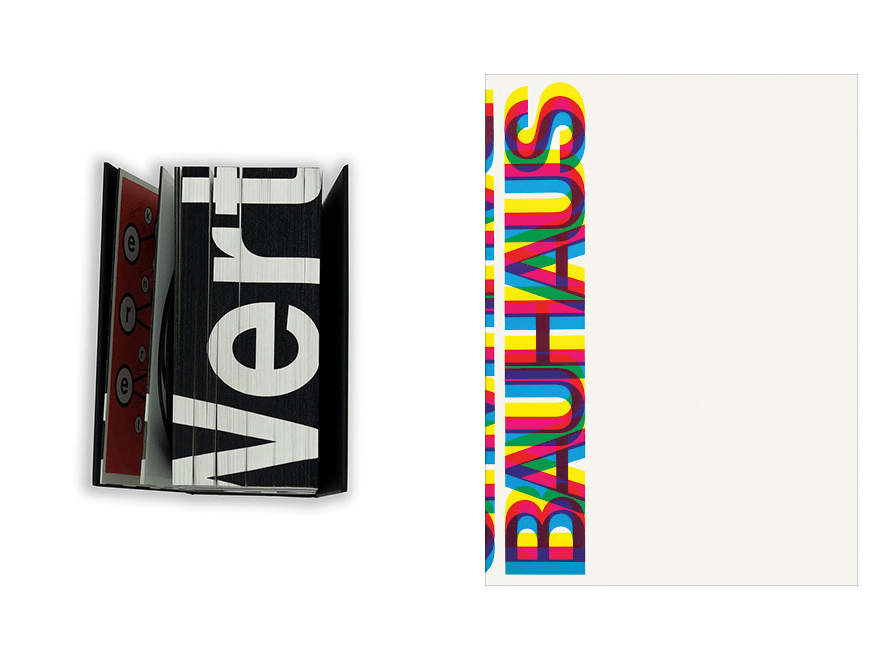
Irma Boom is considered the most relevant book designer of the moment. Many art centers and specialized publishers dispute the privilege of having one of their works. When she accepts an assignment, she demands total creative freedom, assuming the role of both the editor and the graphic designer.
Progressively, the work of Irma Boom has been assimilated to what we know as ‘artist’s books’, despite the fact that the designer rejects this typology.
Muriel Cooper (1925-1994) worked for four decades at the Massachusetts Institute of Technology as a graphic designer, teacher and researcher. She was art director at the Institute’s publishing house, the famous MIT Press, where she shaped numerous books essential to the history of contemporary art and architecture. In 1974 she founded the Visible Language Workshop, a think tank for new forms of graphic communication. Muriel Cooper was a pioneer in the transition from print to early explorations of digital typography.

Bookworm is a journey through books guided by Andreu Jansà, librarian and curator of the Enric Bricall Reserve Fund. Students will have the privilege of studying unique copies of the Elisava Library.
The objective of the Reserve Collection is to become a true universal history of modern graphic design applied to the publishing world. The books that make up the collection are documented in the main accounts of the history of 20th century graphic design.


February 17, 2021

On Robert Massin + Sister Corita
Bookworm
with Andreu Jansà
Only for MED students
The French graphic artist Robert Massin revolutionized the editorial design of the 1950s and 1960s with a series of books that have become iconic in the history of 20th century typography. In an era dominated by the austere Swiss graphic language, Massin combined the language of traditional graphic arts with highly innovative expressive elements. In his designs the word becomes visible based on graphic resources that intensify the meaning of the printed text.
Corita Kent, known as Sister Corita, was an unusual figure in the American graphic arts scene of the 1960s and 1970s. A Catholic nun and teacher at an art school in Los Angeles, Corita captured the spirit of her time in a graphic work that combined Christian spirituality and hippie philosophy with a Pop Art-influenced aesthetic. Corita Kent’s language was in tune with the artistic expression of her contemporaries, an art that exalted American popular culture and found beauty and transcendence in the prosaic elements of everyday life.
Bookworm is a journey through books guided by Andreu Jansà, librarian and curator of the Enric Bricall Reserve Fund. Students will have the privilege of studying unique copies of the Elisava Library.
The objective of the Reserve Collection is to become a true universal history of modern graphic design applied to the publishing world. The books that make up the collection are documented in the main accounts of the history of 20th century graphic design.


Wednesday,
February 10, 2021
6.30 pm
Eloi Maduell & Santi Vilanova, Playmodes
Open Lecture
From Screen To Space
From Screen To Space
On recent years, creative digital media has been experimenting a deep transformation. From the first on-screen graphics to the latest pixel-mapping installations, audiovisual languages have exceeded the square boundaries of traditional screens, and have started colonizing real space.
Light is playing key role on this evolution, and this interlink between engineering, music, design and art is giving birth to innovative approaches in the form of immersive installations. Spectators are no longer a passive subject but integrated inside the creative canvas.
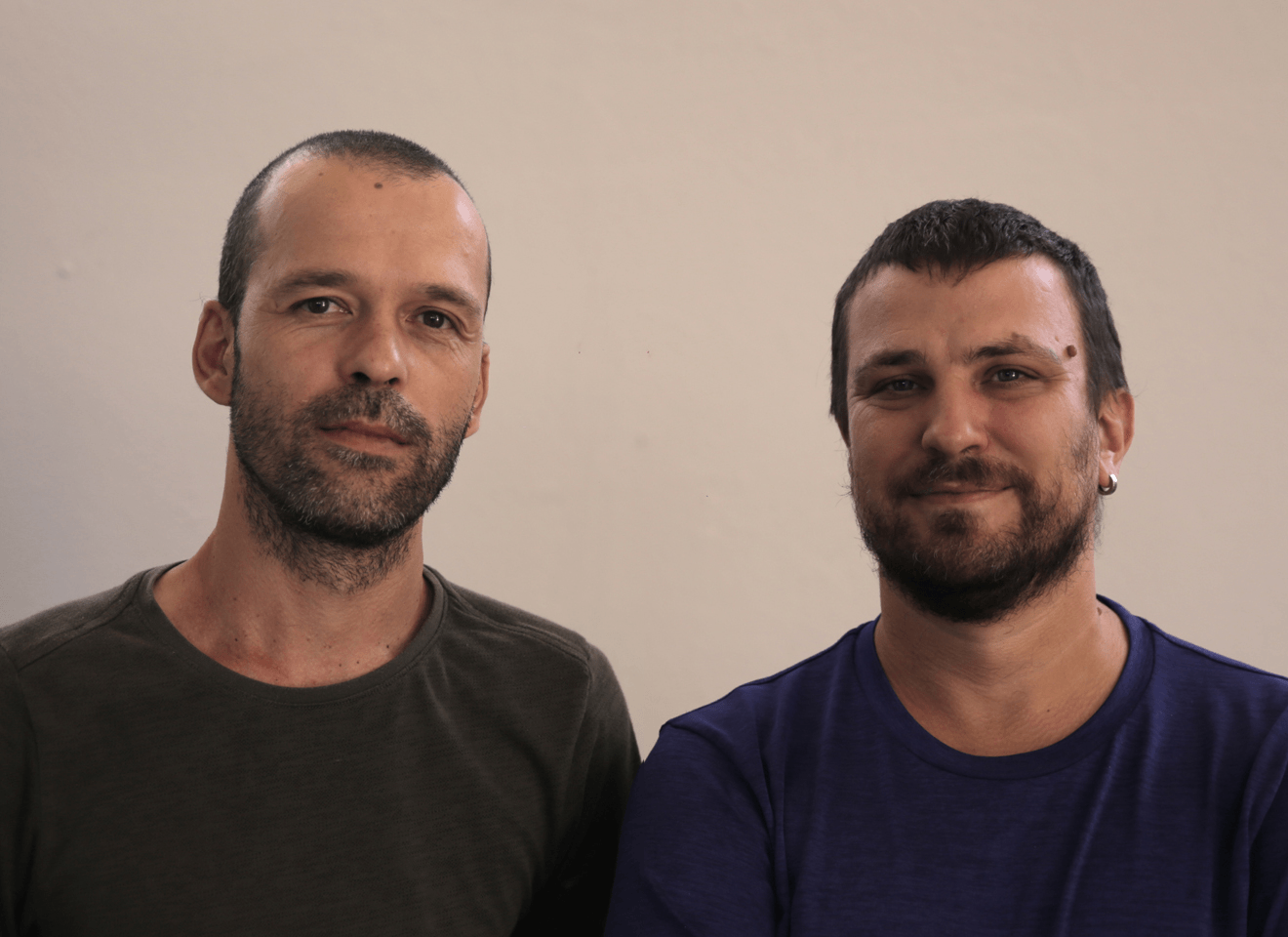
On this lecture, Eloi and Santi from Playmodes will make a deep dive into the process and secrets behind their work, from conceptualization and scripting to algorithm development and visual music contents.
Playmodes
is an audiovisual research studio, a hybrid team of engineers, musicians and designers. Through the development of their own technologies, they bring light and sound instruments to life. This digital luthierism has led them to apply their language to sculptural formats, immersive installations or scenographies, in a journey outside the square limits of traditional screens.
In their projects, data flows generate audio and images with software made by themselves.


February 1 → 5, 2021

Matteo Moretti, Sheldon.studio
Workshop
Data Journalism
Only for MADD students
Only for MED students
Visual Journalism
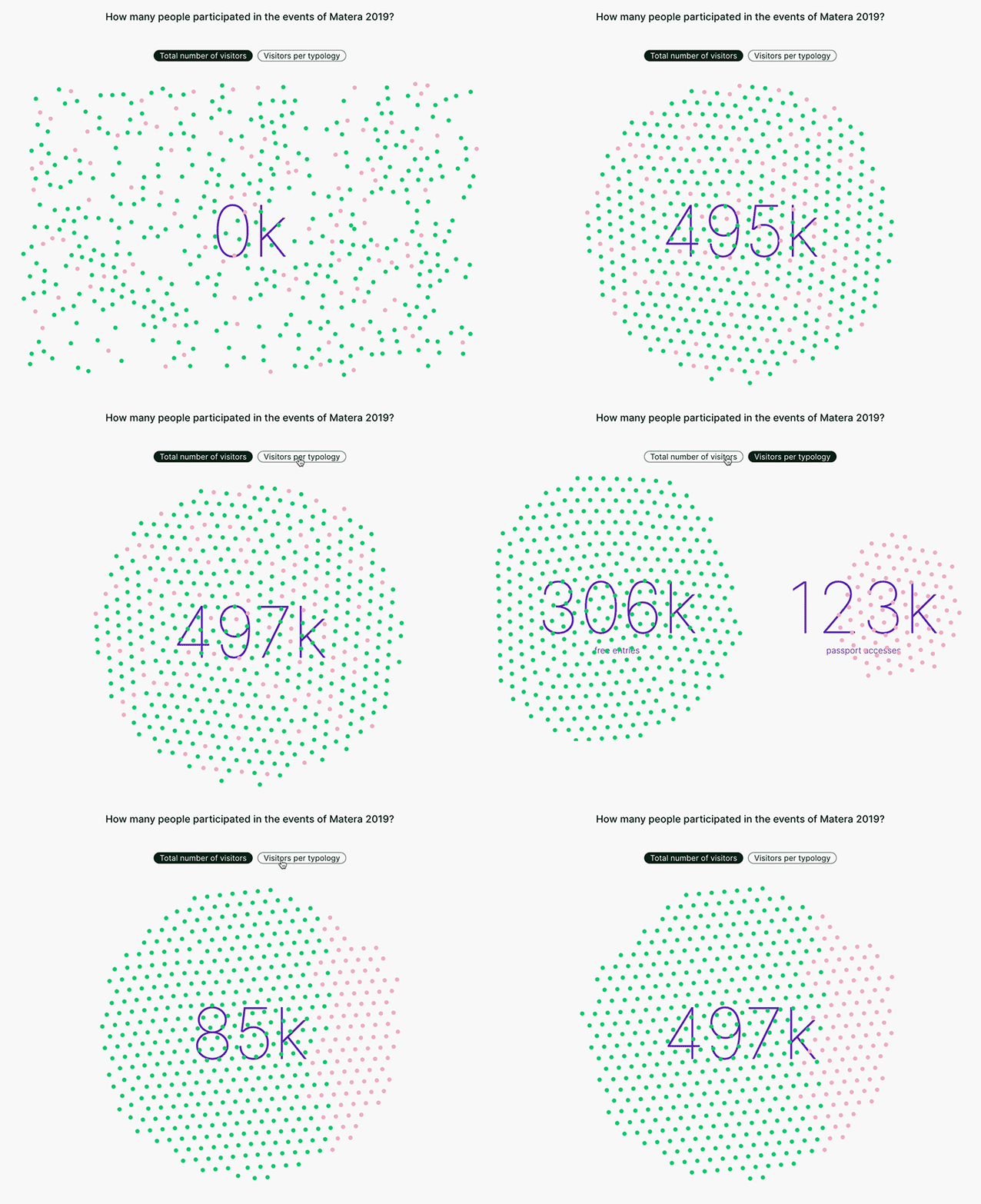
Data and Visual journalism are an interdisciplinary practice which combines editorial design, UX, web design, data visualization, interaction design, visual storytelling, and narratives to return the complexity of contemporary phenomena to a broader audience in a more engaging and approachable way.
The intensive workshop articulates on a single project development, which starts from a socio-political issue raised by the students group. Once framed that issue, students search for meaningful connected data, map the controversies the topic embeds, and then explores visual languages and metaphors toward the highlighting of a point of view. Finally, the students design the whole digital informative experience combining data and editorial design, to reach a specific audience.
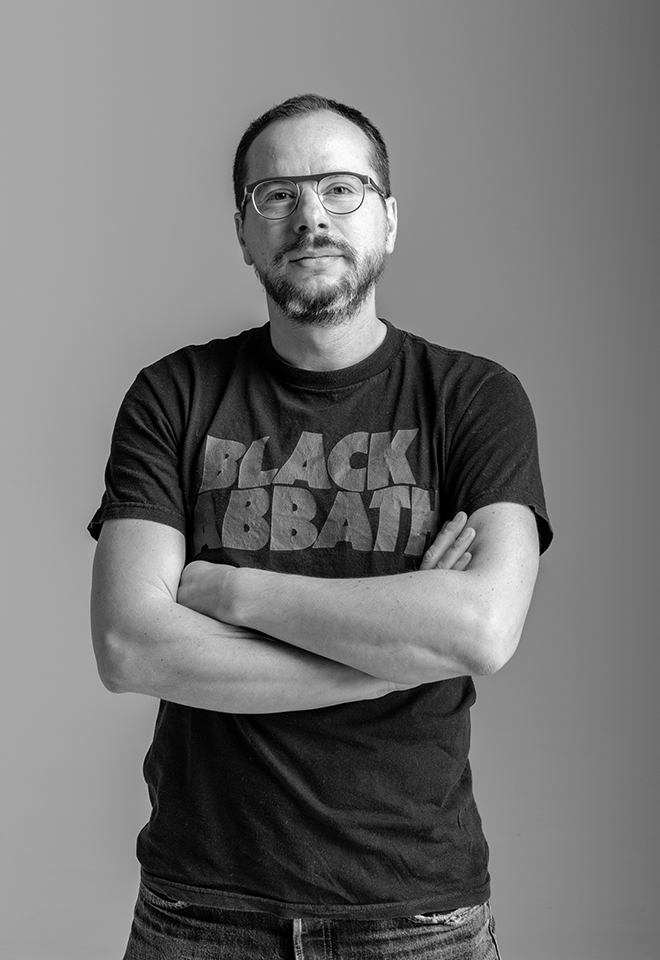
Matteo Moretti
Co-founded Sheldon.studio the first studio that focuses on immersive information-experience-design. Matteo Moretti is a lecturer at the Faculty of Design of the Free University of Bolzano, at the University of San Marino, at the University of Florence, at the SPD Milan.
His design research projects, presented in many academic conferences and events such as TEDx and Visualized.io received the Data Journalism Award 2015, the European Design Award 2016 and 2017.