Events are an integral part of the master programs: from workshops with guests professors to lectures series with relevant practitioners.
Wed, Oct 21, 2026
Graphic — Elisava lectures
7.30 pm — Sala Aleix Carrió
Open to the public

Luisa Milani, La Tigre
An illustrated alphabet of vibrant matters
An illustrated alphabet of vibrant matters
La Tigre looks at graphic design as a living material: shapes that breathe, colours that vibrate, signs that shift between the abstract and the figurative. The talk composes an illustrated alphabet of the qualities that guide the studio’s work, from synthesis to colour, from research to play. A journey through forms and words, where visual language becomes a playground and every element, however small, has something to say.
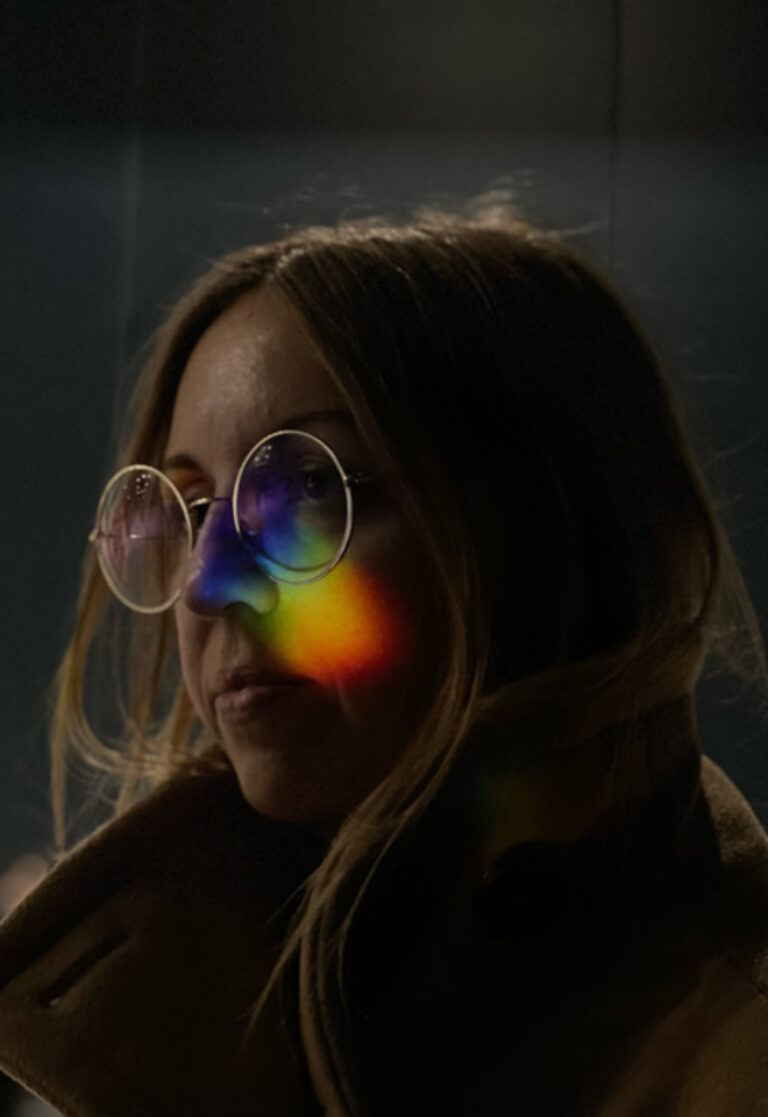
Luisa Milani is the art director and co-founder of the independent graphic design studio LaTigre. She studied at Politecnico di Milano and, a few years later, in 2009, founded the studio. Alongside her practice, she has spent several years teaching. Always in search of the sublime in color and form, her design approach is solid and concrete, yet spontaneous—free from constraints or creative limits. She draws inspiration from everything around her, making intuition a core aspect of her practice. A long-time yoga practitioner, she brings the same balance and awareness to her creative work, leaving room for serendipity, her motto.
La Tigre is a graphic design studio founded and directed by Luisa Milani and Walter Molteni, members of AGI (Alliance Graphique Internationale). Since 2009, the studio has been developing multiform visual languages in which formal research is driven by synthesis and a vibrant use of color, where the boundary between the abstract and the figurative at times becomes blurred. It collaborates with international entities such as Apple, Bitossi Home, Living and Abitare – Corriere della Sera, Max Mara, The New York Times, Phaidon, and Wired USA. Alongside commissioned projects, the studio conducts experimental research across various media.


Wed, Nov 4, 2026
Masters’ Talks
7.30 pm — Event at DHub
Open to the public

Izaskun Chinchilla
Los barrios del buen vivir: A Perspective from Tentative Design
Los barrios del buen vivir: A Perspective from Tentative Design
What if designers made fewer mistakes if they stopped trying to get it right the first time? Neighborhoods of Good Living explore a city understood not as a finished object, but as a living laboratory: spaces that are tested, inhabited, evaluated, and transformed. The lecture will explore the work of Izaskun Chinchilla Architects and the book Neighborhoods of Good Living to ask what happens when design abandons certainty and embraces hypothesis, experimentation, and adaptation. A perspective from tentative design to conceive of well-being as something experienced collectively.

Izaskun Chinchilla, a professor at the Bartlett School of Architecture, University College London (UCL), and an honorary fellow of the Royal Institute of British Architects (RIBA), integrates ecology, care, and participation into her practice, research, and teaching. Her work promotes more equitable and sustainable cities. She combines design, critical thinking, and cultural knowledge to promote an architecture that is educational, cooperative, and oriented toward the common good. She is the author of La ciudad de los cuidados (Catarata, 2021) and Los barrios del buen vivir (Catarata, 2026).
Izaskun Chinchilla Architects is a group of architects led by Izaskun Chinchilla that brings together interdisciplinary teams for each project. Their work focuses on optimizing the environmental performance of architecture, public space, facilities, art, and cultural products through innovation. Public engagement and social participation are pillars of their practice, which promotes collaboration in the construction of shared spaces and community-based decision-making regarding the use, location, and characteristics of the facilities they design.


past events
January 25 → 29, 2021
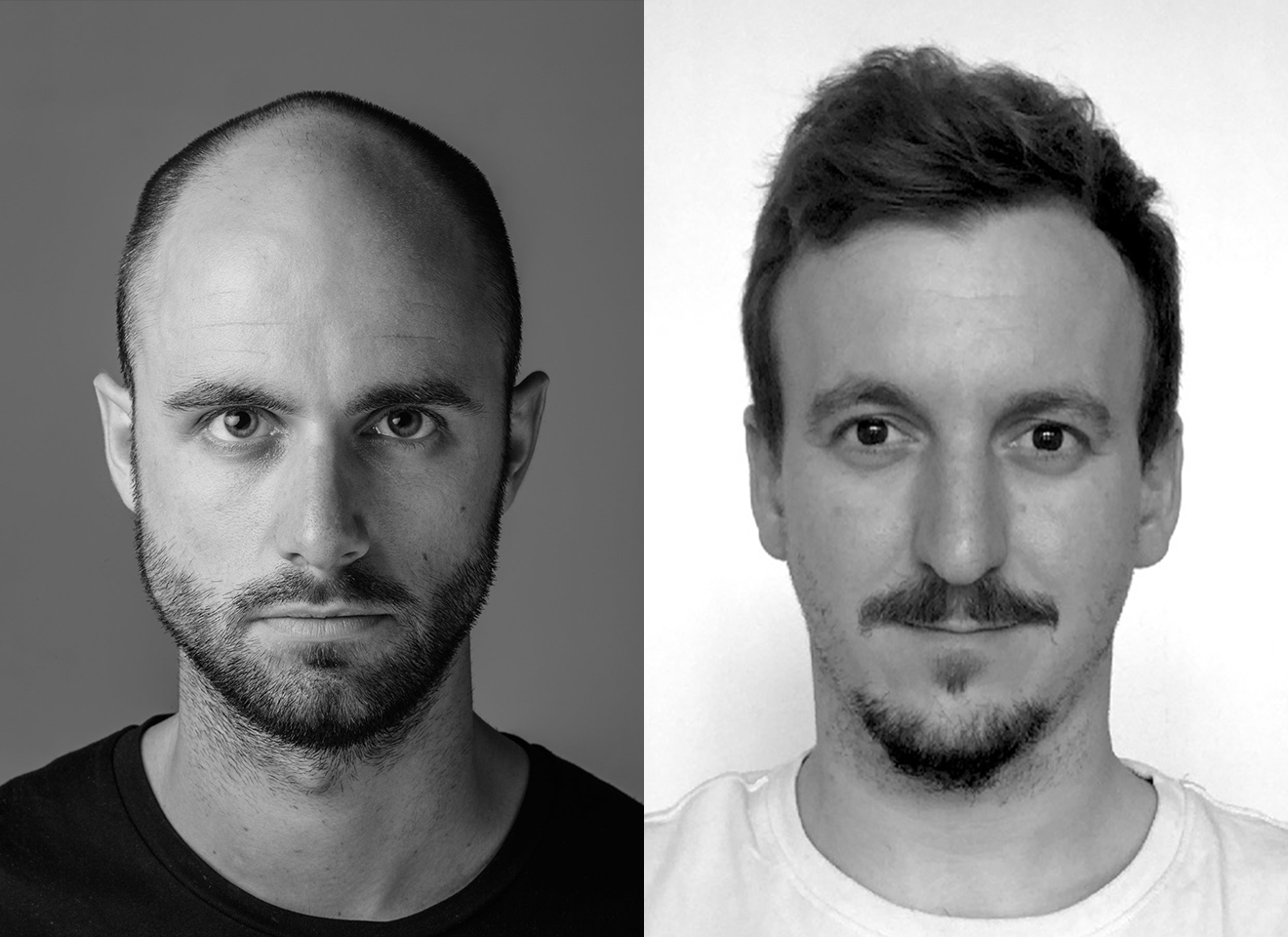
D Galar + G Mallandrich, Gimmewings
Workshop
Motion Graphic Systems
Only for MVD students
Motion Graphic Systems
We are witnesses of a new way of consuming information. Today digital media are the new information containers. If we look at this from a graphic design prism, we could say that we are in front of new ways of communication.
Through Motion we can explain complex messages in a simple way. We need to understand that the paradigm of traditional design that tries to summarize everything in a single image changes completely. Animation offers us a timeline in which we can explain concepts through a “step by step” storytelling. Because sometimes the “journey“ is more interesting than the final result.
Gimmewings
is a motion design studio specialized in using animation and interaction to communicate concepts through movement.
Gimmewings treat motion as something implicit within design, not as a complementary tool.
January 20, 2021

On Czech Avantgarde + the Lustigs
Bookworm
with Andreu Jansà
Only for MED students
The Czech Avantgarde experienced renewed vitality in the inter-war period. A new generation of artists came together in an association called Devětsil which maintained contacts with the European avant-garde. The graphic design of books aroused particular interest among the young creators who were members of this group.Two aesthetic currents coexisted in Devětsil: Poetry, which exalted the subjective essence of the creative act, and Constructivism, which aspired to objectivity and the standardization of mass production.
Alvin Lustig created covers for the American publishing house New Directions between 1945 and 1952 that show a deep knowledge of the artistic movements of the first half of the 20th century. The collection maintains a strong unity, although each book manifests its individual character: subtle, abstract, evocative.
Elaine Lustig Cohen began her career in the studio of Alvin Lustig. After Lustig’s death in 1955, she continued to design book covers on her own for various publishers and other clients in the cultural world.

Bookworm is a journey through books guided by Andreu Jansà, librarian and curator of the Enric Bricall Reserve Fund. Students will have the privilege of studying unique copies of the Elisava Library.
The objective of the Reserve Collection is to become a true universal history of modern graphic design applied to the publishing world. The books that make up the collection are documented in the main accounts of the history of 20th century graphic design.


January 13, 2021
On Jan Tschichold + Swiss graphics
Bookworm 1
with Andreu Jansà
Only for MED students
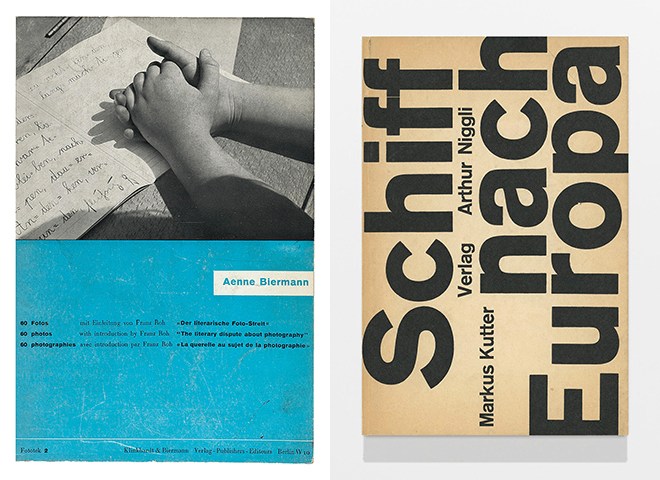
Jan Tschichold experienced one of the most resounding conversions in the history of 20th century graphics. After the revolution brought about by his manual Die Neue Typographie (Berlin, 1928), he reconsidered his theses in the mid-1930s with Typographische Gestaltung (Basel, 1935) and finally experienced an absolute return to classicism from the 1940s until the end of his life. The dynamic and asymmetrical compositions of the first stage, based on dry wood types, gave rise to pages that were perfectly centred, respecting the formal conventions of the historical tradition of printing.
Swiss graphics of the 20th century developed from the precepts of the German “new typeface” established by Jan Tschichold throughout the 1920s. It proposed a new concept of graphics characterized by asymmetric composition, the use of dry-stamp typography and the use of photography. One of the pioneers was Herbert Matter who, with his splendid tourist posters, represented a new vision of visual communication, strongly influenced by Russian constructivism and the interwar photographic avant-garde.
Bookworm is a journey through books guided by Andreu Jansà, librarian and curator of the Enric Bricall Reserve Fund. Students will have the privilege of studying unique copies of the Elisava Library.
The objective of the Reserve Collection is to become a true universal history of modern graphic design applied to the publishing world. The books that make up the collection are documented in the main accounts of the history of 20th century graphic design.


October 14
↳ December 22, 2020
Elisava Àgora + Atri

Vladan Joler, Explorer of Contemporary Phenomena
Exhibition
Vladan Joler, Explorer of Contemporary Phenomena
Prof. Vladan Joler
[b. 1977] Is an academic, researcher and artist whose work blends data investigations, counter cartography, investigative journalism, writing, data visualization, critical design, and numerous other disciplines.
He explores and visualizes different technical and social aspects of algorithmic transparency, digital labor exploitation, invisible infrastructures, and many other contemporary phenomena in the intersection between technology and society.
Vladan Joler’s work is included in the permanent collections of the Museum of Modern Art, New York (MoMA), the Victoria and Albert Museum (V&A) and Design Museum in London and included in the permanent exhibition of Ars Electronica Center.
Aside from his permanent professorship position, i.e. tenure, at the Academy of Arts in Novi Sad, Serbia, where he teaches at the New Media department, he has given lectures at numerous educational and art institutions.
Explorer of Contemporary Phenomena
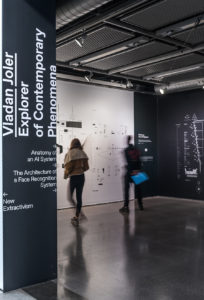
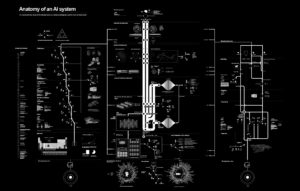
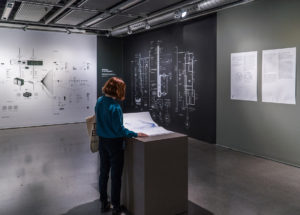
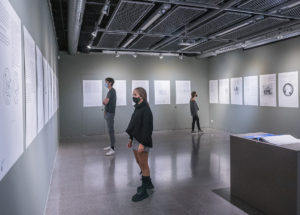
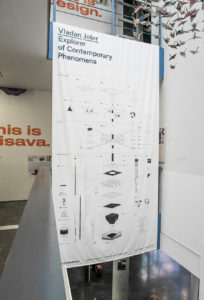
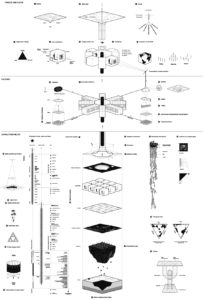
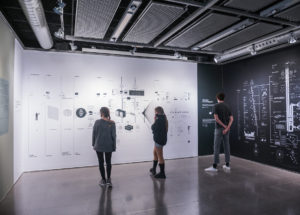
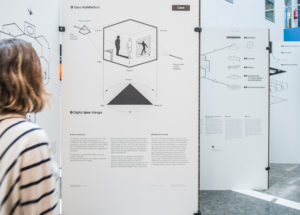
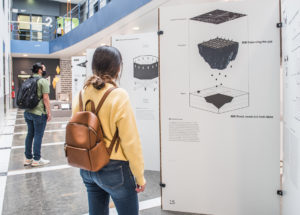
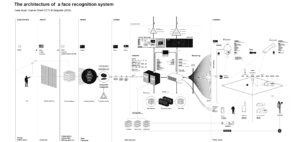
Three recent works are on display at Elisava: Anatomy of an AI System, 2018, A large-scale map and a long-form essay (in collaboration with Kate Crawford) investigating the human labor, data, and planetary resources required to build and operate an Amazon Echo. Awarded Design of the Year 2019 by the Design Museum, London. And two new works from 2020: The Architecture of a Face Recognition System and New Extractivism. It is the first time these works are exhibited in Barcelona.
December 14 → 18, 2020

Patrick Thomas, The transformative Power of AI
Workshop
The transformative Power of AI
Only for MDE students
The transformative Power of AI
Until now AI is not real intelligence. Essentially it is imitation: algorithms that have learned to do really specific things by being trained on thousands or millions of correct examples. Commonly referred to as ‘dumb’ AI, this term ignores the fact that in several fields, like face and speech recognition, it is already more accurate than humans.
Following the principles of Moore’s Law, it is only a matter of time before we are be able to create actual intelligence: conscious machines that can independently think for themselves.
The workshop will be hosted in a custom-built virtual space. Research and critical debate are central components to the project. The aim of the workshop is to develop participants’ research, writing, layout and publishing skills as well as to encourage critical thinking.
Participants will be encouraged to ask themselves the following questions:
Which opportunities will this technological development bring?
Am I aware of the implications it might have?

Patrick Thomas
is a graphic artist, author and educator. He studied at Saint Martins and the Royal College of Art in London before relocating to Barcelona in 1991. He currently lives and works in Berlin. In 2019 he created Open Collab a self-run workshop format to enable and encourage collaboration, dialogue and experimentation between participants. A free online platform was launched during Covid-19 lockdown to enable remote real-time collaboration. Since October 2013 he is a professor at ABK Stuttgart. He is a member of AGI.


Wednesday,
December, 2020
6.30 pm

Javier Jaén, Javier Jaén Studio
Open Lecture
Greetings from Javier Jaén Studio
Greetings from Javier Jaén Studio
The talk will be a journey from conceptual development to graphic solution through practical cases.
Environment, technology, love, sex, diversity, art, literature, religion, science, gastronomy, health, sport, wild capitalism, social movements, economy, terrorism, war, politics, justice, archeology, virus, music, theatre, fashion, wine and some design and illustration.
Javier Jaén
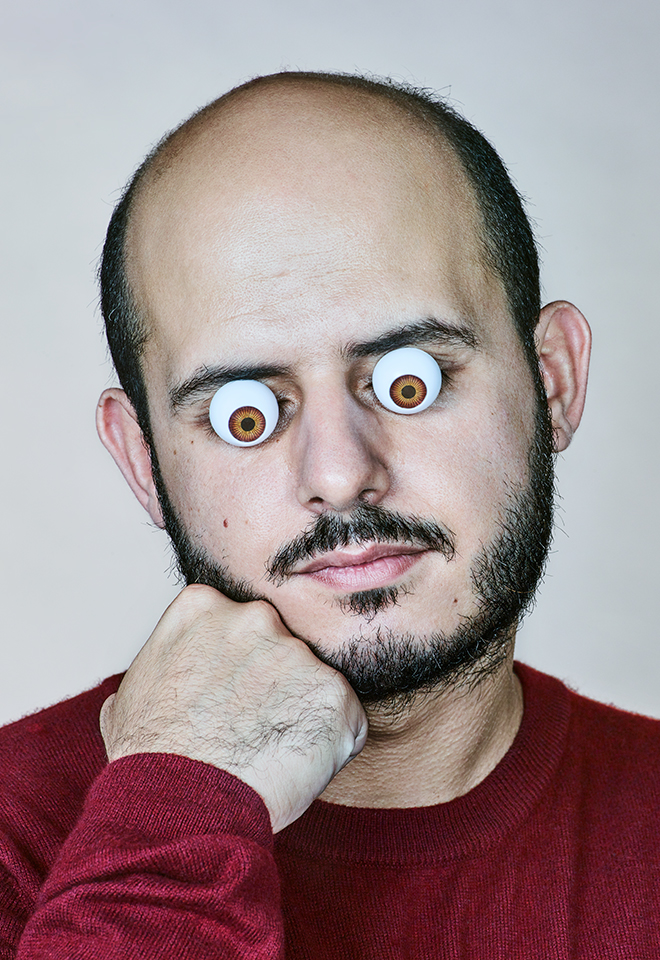
(Barcelona, 1983) Studied graphic design and fine arts in Barcelona, New York and Budapest. His professional activity has focused on editorial illustration, book covers, audiovisual projects, advertising, cultural communication and creation of his own work. He translates stories and concepts into images through a symbolic and playful language.
His work has been widely recognized. He has participated in exhibitions in New York, London, Mexico, El Salvador, Tallinn, Seoul, Rotterdam, Paris or Rome. Since 2015 he is a member of AGI (Alliance Graphique Internationale). In 2020 he has been considered by Forbes as one of the 100 most creative Spaniards. He has taught at IED, BAU, IDEP, and frequently gives workshops and lectures at various international art and design schools.
He has not yet written a child, planted a book or given birth to a tree.


Wednesday,
December 9, 2020
4 pm

Pablo Juncadella, Mucho
Case studies
Degrow or grow in another way?
Only for MVD students
Degrow or grow in another way?
The value of a project cannot be measured only in monetary terms. And we are clear about that.
It is important for us to develop ideas and concepts that contribute to society, that help to fulfill an objective and that lead us to think beyond the limits. We call these projects ‘pro-bono’ and they are part of the commitment we have with others and with society, but especially with our community of designers.
How do we organize pro-bono projects? How do we limit collaboration so that it is sustainable for both parties? How do we maintain the client relationship over time?
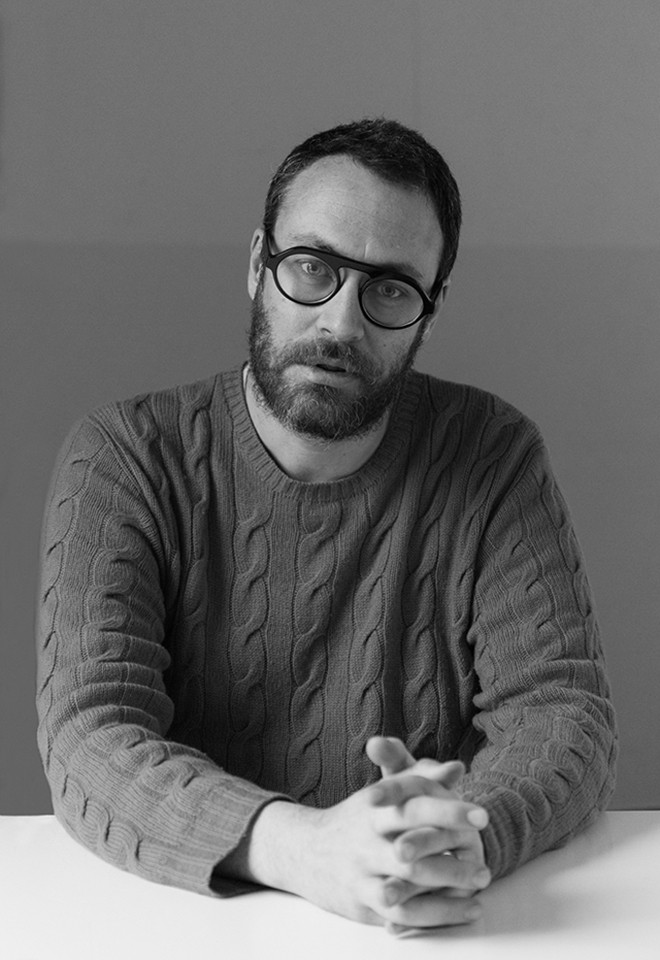
Pablo Juncadella
Co-founder and creative director at Mucho. Thanks to his constant search for new challenges, Pablo was promoted to the position of Creative Director of the English newspaper The Observer after working as a graphic designer for grafica and Pentagram. His global vision and his great interest in visual knowledge have been fundamental contributions to the growth of the studio. Today, together with his team at Mucho, he works with the purpose of finding solutions that fit in the positioning of the brands by contributing with original ideas.


Novembre 30
↳ December 4, 2020

Martin Lorenz, TwoPoints.Net
Workshop
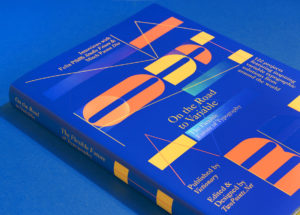
Systemic Type Design
Only for MVD students
Systemic Type Design
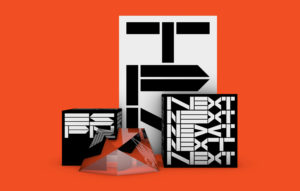
We live in a (new) golden age of systemic type design. New technologies and easy to use programmes leveled the playfield for emerging designers and gave them the chance to experiment with new ideas. The world of display fonts has witnessed a lot of new impulses in the last years. Type has become more flexible, variable and kinetic as ever, adjusting efficiently and effectively to new communication channels.
Systemic Type Design is more than designing fonts. A type system is an efficient design tool that helps designers to design. If done well, the act of writing is the act of designing without the need to further layout the text. In this course we will develop an experimental type system that almost automatically generates fantastic design applications.
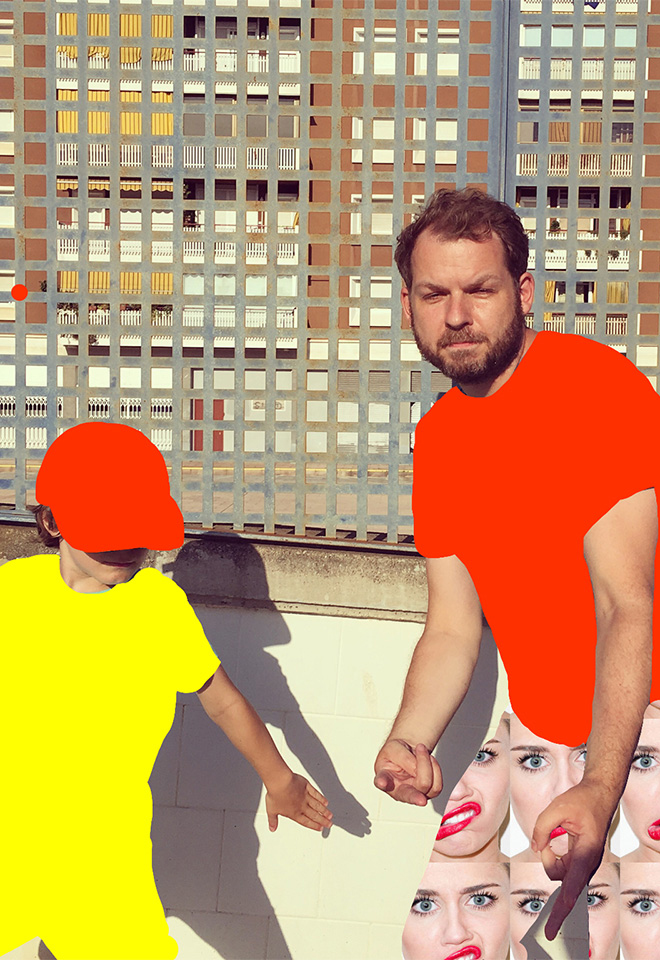
Martin Lorenz
might as well have become a cook, a comic artist or an architect, were it not for an internship at Müller+Volkmann. Lorenz studied Graphic Design at the University of Applied Sciences in Darmstadt and the Royal Academy of Arts (KABK) in The Hague. After working four years at the design agency Hort, he moved to Barcelona to found TwoPoints.Net with Lupi Asensio and do his MA and PhD in Design Research at the UB. Lorenz has taught since 2006 for Elisava and still likes to cook.
Wednesday,
November 25, 2020
6.15 pm

Albert Folch & Rafa Martínez, Folch
Case Studies
Latests projects
Only for MVD students
Latest projects
In an accelerated world, every aspect of our lives is in constant change. At Folch we bring together different disciplines to respond to every brief, always seeking to have an atypical vision. Each project is an opportunity to design concepts, brands, narratives and digital events, reaching and involving audiences to this new liquid paradigm.
Folch
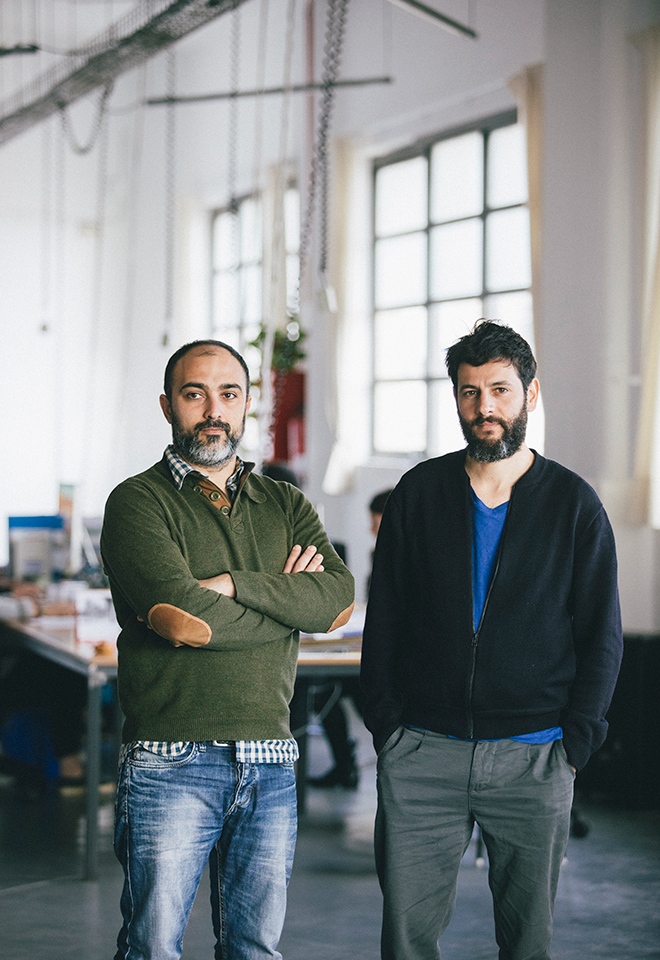
is a Barcelona-based editorial and branding agency, founded in 2004. Creating concepts, brands and narratives, the studio has developed a holistic approach to today’s communications challenges, reaching and engaging audiences with a broad range of graphic, audiovisual and editorial content across a myriad of platforms, according to the new business paradigm.


Wednesday,
November 18, 2020
6.30 pm
Vladan Joler + Bani Brusadin
Open Talk
Vladan Joler, Explorer of Contemporary Phenomena
Prof. Vladan Joler
[b. 1977] Is an academic, researcher and artist whose work blends data investigations, counter cartography, investigative journalism, writing, data visualization, critical design, and numerous other disciplines.
He explores and visualizes different technical and social aspects of algorithmic transparency, digital labor exploitation, invisible infrastructures, and many other contemporary phenomena in the intersection between technology and society.
Vladan Joler’s work is included in the permanent collections of the Museum of Modern Art, New York (MoMA), the Victoria and Albert Museum (V&A) and Design Museum in London and included in the permanent exhibition of Ars Electronica Center.
Aside from his permanent professorship position, i.e. tenure, at the Academy of Arts in Novi Sad, Serbia, where he teaches at the New Media department, he has given lectures at numerous educational and art institutions.
A dialogue between Vladan Joler and Bani Brusadin
Together they will explore Joler’s rather fascinating character at the intersection of research, data visualization, cartography and art.
Among other topics, they will discuss together on how to visualize different technical and social aspects of algorithmic transparency, digital labor exploitation, invisible infrastructures, and many other contemporary phenomena in the intersection between technology and society.
November 11 → 13, 2020

Edgar Pons, Who is afraid of Technology?
Workshop
Who is afraid of Technology?
Only for MADD students
Who is afraid of Technology?
Technology constitutes an essential topic if our duty is to understand how our contemporary society works. Today, more than ever, technology plays an important role not only improving (or not) our daily lives, but also gathering, analyzing and visualizing almost all kinds of information. In this workshop we will learn the basics of programming in Arduino and Raspberry, to detect and automate signals. We will also learn how to choose the best platform to solve a technological project. And we will learn the basics to hack an analog automatism.
We will use various programming boards to detect analog signals and thereby interact with our code. We will learn the operation of the main electronic components to develop customized boards, to finally create our own. Finally we will learn how to hack a bolt opening system with NFC cards.
Technology and automation gives us countless options and power when facing projects. Knowing the capabilities we have and having a base on how to use them will allow us to take our projects much further.
Edgar Pons
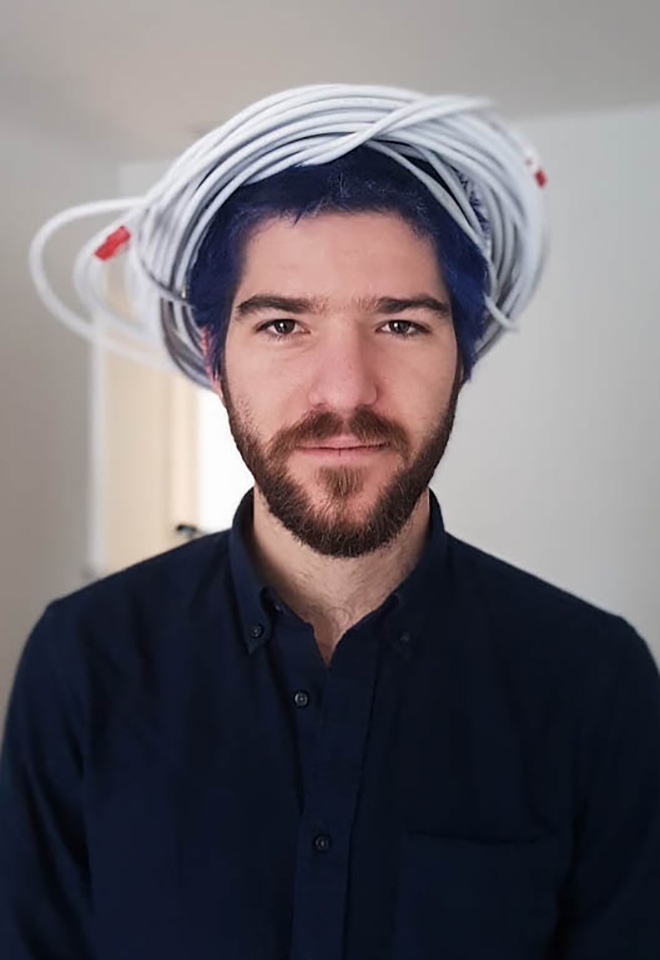
Graduated in Industrial Design Engineering created his first company in 2011: The Social Coin, storifying kindness. He has collaborated with DDS giving support in the creation of interactive systems and experiences. He is working now in R&D at Ymaging, creating systems interpretating complex data in sectors such as smart farms, biomedicine and geophysics. In the meantime he is launching Nanoboost, a Startup related to “Smart Pills” with the objective of enhance brain capabilities.


Wednesday,
November 11, 2020
4 pm

Antonio Nogueira, Mucho
Showcase
Graphic Rhetoric & Creative Tools
Only for MVD students
Graphic Rhetoric & Creative Tools
Could we manage to become more creative? Is there a secret to improve this ability?
Constantly we find ourselves out of ideas, it is like if someone had left a tap running – our mind gets empty, we get stuck and the ideas that come to mind do not seem to be enough.
This session tries to offer resources to face this kind of situation working on one specific tool: The rhetorical figures of the language. One more tool to help you understand that the possibilities can always be expanded.
Antonio Nogueira
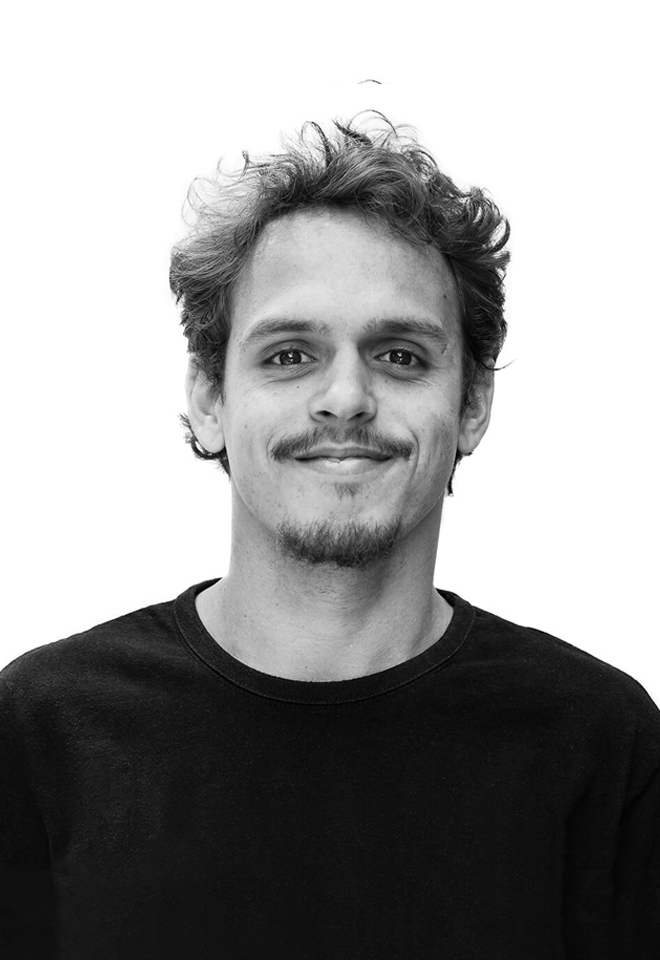
Graphic designer at Mucho. He works on projects in multiple sectors: Cultural, education, technological, etc. Always with the purpose of generating culture through design, using creativity as a way to create new experiences.


