Events are an integral part of the master programs: from workshops with guests professors to lectures series with relevant practitioners.
Apr 23 — 27, 2026
Workshop
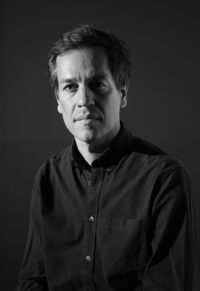
Serge Rompza, NODE Berlin Oslo
Beyond the Canon: Alternative Histories of Graphic Design
Only for MED students
Beyond the Canon: Alternative Histories of Graphic Design
Design history is not fixed — it is shaped by visibility, selection, and repetition.
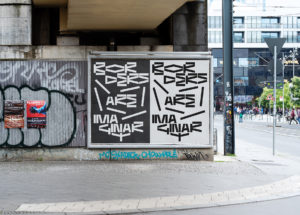
This workshop revisits the canon of graphic design from a global perspective, focusing on historically relevant yet often underrepresented designers.
Each student will research and portray one designer, situating their work within its cultural, political, and technological context. Rather than simply presenting biographical information, participants will critically interpret and visually reframe these positions through editorial and typographic design.
The resulting works should not only communicate information but also respond visually to the designer’s attitude, working methods, and conceptual approach.
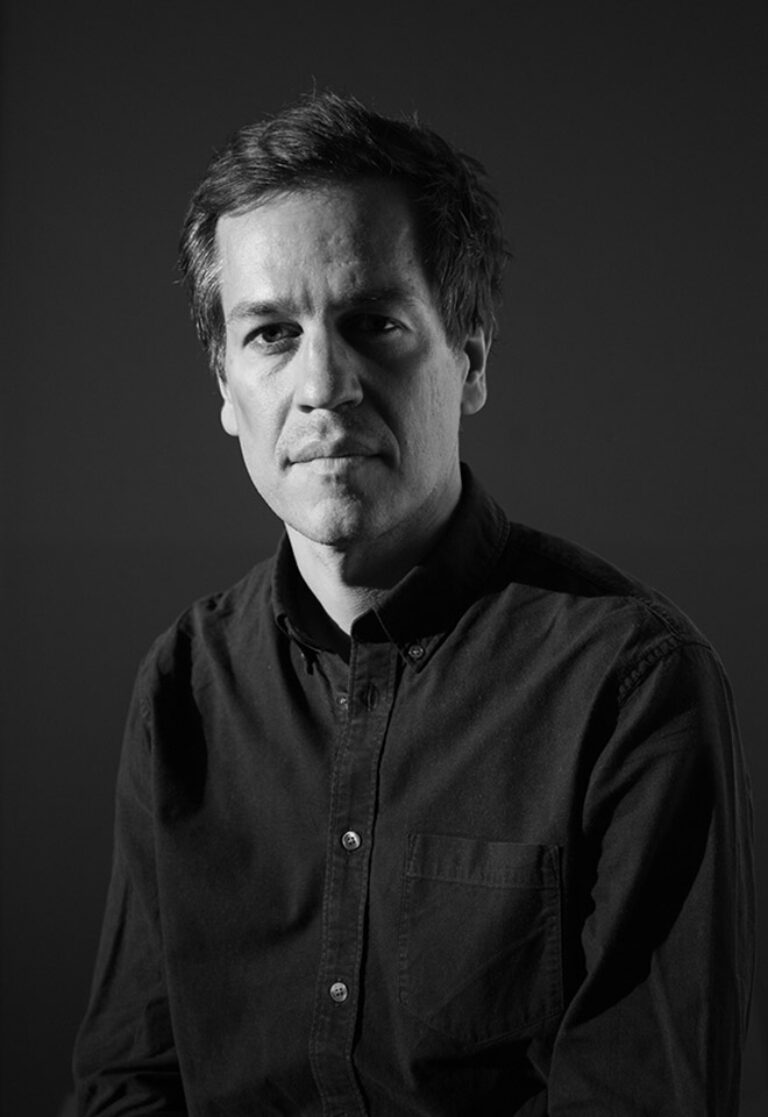
After graduating from Gerrit Rietveld Academie in Amsterdam, Serge Rompza has co-founded the Berlin and Oslo based design studio NODE in 2003, together with Anders Hofgaard. The two offices collaboratively focus on identity, print, exhibition and interactive work. Clients include Haus der Kulturen der Welt Berlin, Vitra, MIT Program in Art, Culture and Technology (ACT), Lithuanian Pavilion / La Biennale di Venezia, Office for Metropolitan Architecture (OMA).
Since 2004, he has regularly been teaching at art and design academies across Europe.


Feb 23 — 27, 2026
Workshop

Piero Di Biase, Formula Type
Modular approaches in Type Design: Resource or Restriction?
Only for MVD students
Modular approaches in Type Design: Resource or Restriction?
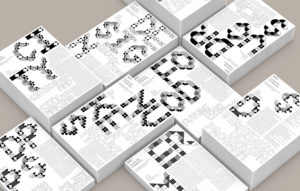
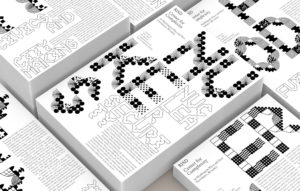
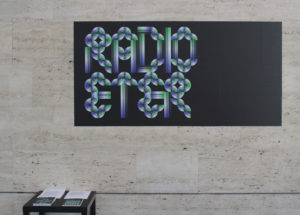
The workshop explores the possibilities that the module offers in structuring typographic forms, questioning whether it acts as a supportive framework or a creative constraint. Through the analysis of historical and contemporary modular typefaces, as well as the investigation of the module in art, design, and architecture, students will be guided to work within a modular system to design a display typeface. The aim is to understand how predefined structures can generate coherent visual languages while still allowing room for experimentation and expressive innovation.

© Andrea Arduini
Piero Di Biase is a graphic and type designer. He trained in the graphic arts sector and then became a graphic designer. After collaborating with various design agencies, in 2011 he co–founded Think Work Observe, where he worked for national and international clients until 2022, when he launched Formula Type, an independent digital foundry that produces and distributes retail and custom fonts. Since 2017, he has been a member of the Alliance Graphique Internationale (AGI).
Formula Type is a digital type foundry started in the wettest region in Italy. Formula is a potion blended especially for those who will drink it; Formula is a chemical equation that leads to a result. This playful yet precise idea captures the dual soul of Formula Type. Its past was graphic design, and its present is type design, but there’s no real separation between the past and the present. Our fonts are crafted with a flexible designer eye and in the fifteen years since our first releases they have evolved freely through experimentation. Our approach is that of expert beginners, always welcoming new partnerships and projects.


Wed, Apr 8, 2026
Graphic — Elisava lectures
7.30 pm — Sala Aleix Carrió
Open to the public

Bart de Baets
Paperclips
Paperclips
In his lecture, graphic designer Bart de Baets will show a large variety of works and elaborate more on the ways they find their form and are realized eventually. Although Bart’s practice is mostly spent working at the studio in Amsterdam, it is alternated by a parttime teaching position at the Royal Academy in The Hague, where he works with the first year students and the ones graduating. The way he teaches and cooks up his assignments is inspired by transforming everyday observations (at times obsessions) into educational exercises. The students are triggered to think of formal executions that evoke solutions close to Bart’s own practice visualizing abilities and editorial voice.
Although appearing less frequently today, Bart’s body of work’s been known to feature self initiated publications, such as Success and Uncertainty (together with Sandra Kassenaar), Dark and Stormy (together with Rustan Söderling), and Tabrat, a zine from 2022 in which de Baets confesses to be a tab hoarder (phone only, the browser tabs on his laptop are opened briefly and closed again efficiently) and shares them here with us in the charming A4-sized publication. His editorial assets have not been forlorn, and are frequently demonstrated more so in his collaborative works for artbook shop Page Not Found and exhibition space Nest (both are located in the city of The Hague). The talk at Elisava will prominently feature all of these works—and more—and provide insights into the developments of these designs by showing sketches, references and many inspirations.

Graphic designer Bart de Baets (1979, Knokke, BE) is based in Amsterdam. His design for the Sandberg Institute’s temporary master programme The Radical Cut Up was nominated for a Dutch Design Award. As a result, PostNL commissioned De Baets to design a series of stamps titled ‘Talk to the Hand’. With Sandra Kassenaar he designed the exhibition, campaign and catalogue for ‘Circulate’, an exhibition on photographic art acquisitions at the Stedelijk Museum Amsterdam. The two also design the graphic identity of Kunstmuseum Bochum. He designed ‘On the Necessity of Gardening: An ABC of Art, Botany and Cultivation’ (2021), which was published parallel to ‘The Botanical Revolution’, an exhibition at the Centraal Museum, Utrecht. That year, the Stiftung Buchkunst awarded the book with the highest prize in the category Best Book Design from all over the World. A second title in that series, Mothering Myths, an ABC of Art, Birth and Care was released in May of 2025, for which he collaborated once again with editors Laurie Cluitmans and Heske ten Cate. He holds a part-time teaching position at the Graphic Design department of the Royal Academy of Art in The Hague, and he has taught at the Gerrit Rietveld Academie in Amsterdam for fifteen years.
Being educated by notorious wild collaborator Will Holder, the radical typographic thinkers of Experimental Jetset and conceptual makers like Linda van Deursen, triggered Bart de Baets to think like an editor early in his graphic design studies, making zines with and for his peers, or whipping up catchy writings to go with his posters and projects. His design skills were fed ferociously when working with Maureen Mooren and Daniel van der Velden (now Metahaven) whose interest in art inspired him. For them, that always seemed to come first, then design. For the pages of Archis (an architecture magazine–now Volume), the layouts of existing periodical publications were used to give form to the magazine’s content, and Bart was taught to study their characteristics and so became an excellent copycat.
Over the years de Baets’ body of work has developed immensely mostly so by certain significant collaborations. A few early memorable ones have been those with Melanie Bonajo and Frank Koolen, two (then) Amsterdam-based artists not much older than himself and whose practice inspired an idea on which to work together, and which, in a way, kicked off de Baets’ career. The likes of Rustan Söderling and Sandra Kassenaar are of similar influence and remain crucial design partners; both are good friends to this day. Their influence on some self initiated works, such as Dark and Stormy and Success and Uncertainty is essential for de Baets’ current design approach and visual language. Kassenaar and de Baets nowadays share a studio and work together as designers regularly.
His designs are rooted heavily in a kind of conceptual thinking, and his abilities to think along editorially with commissioners has given Bart’s body of work an outspoken character. His work is distinctively playful and seemingly intuitive, giving the impression that the designs could be made quickly or hand-made. Yet, each one of the designs is a carefully put-together composition made according to a bunch of guidelines and often uses typography or visuals referencing things “found” on the street. For years Bart’s been a teacher in graphic design often working with the first year students, introducing them to the job. Surrounded by other designers, skilled coders, letter drawers and colour wizards, his teaching encourages to explore what it’s like to make art and design in today’s environments by demonstrating personal fascinations.


Wed, May 27, 2026
Masters’ Talks
7.30 pm — Event at DHub
Open to the public

Jonas Janke, b+
Love me one time, two times … x times !
Love me one time, two times … x times !
The lecture is not a conventional showcase of selected projects from our daily practice, but rather aims to provide a broader insight into the network of actors in which b+ (bplus.xyz) operates, how we understand the contemporary way of an architectural practice and scope of work of an architect, and how we approach our projects—in short: who b+ is and how we work, what our values are, and what our understanding of our duties and responsibilities as architects is.
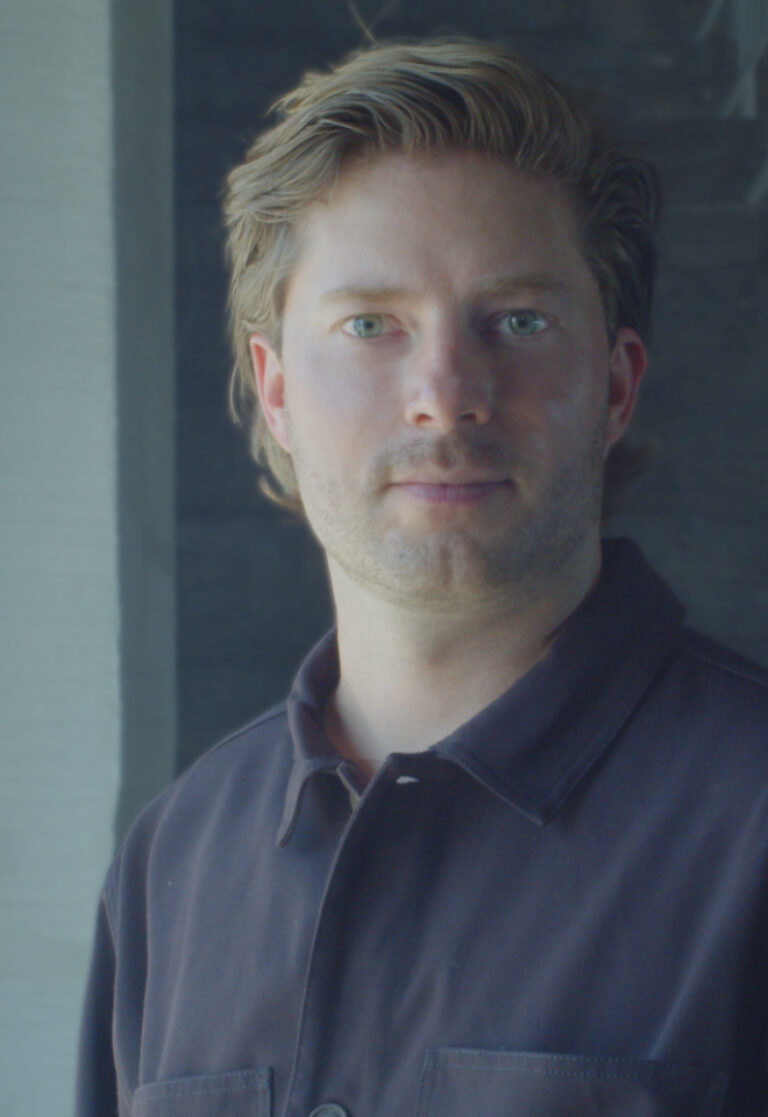
Jonas Janke (DE, 1991) is an architect and partner at bplus.xyz (Berlin). He has a diverse background in architecture, was trained as an architectural draughtsman before pursuing his studies in Hamburg, Stockholm, and Berlin. He gained valuable experience as a tutor and assistant in various departments including design & typologies, building construction, and structural design. He was part of the team 2038, the German Pavilion at 17th Venice Architecture Biennale 2021.
His early teaching experiences include guest studios at the University of Innsbruck (Austria) and Politecnico di Milano (Italy). He is regularly invited to give lectures and guest critiques at universities, cultural institutions, and public institutions. His focus is on new ecological construction materials and methods for adaptive reuse and renovation projects, seeking pragmatic and efficient technical and mechanical solutions that use material and construction thoughtfully.
bplus.xyz (b+) is a collaborative architecture practice (led by Arno Brandlhuber, Olaf Grawert, Jonas Janke and Roberta Jurčić) that operates at the intersection of theory and practice, using different media and formats. The practice seeks to engage with the contemporary challenges of our time, particularly those related to the social-ecological transformation of existing buildings, offering economically viable solutions.
b+ understands architecture as an open process, and views buildings as part of larger systems that require a systemic approach. The practice sees the given framework of existing buildings and legislation as an active design tool with the potential for transformation. Thus, b+ celebrates the potential of the existing built environment and aims to reveal and activate the latent potentials within.
b+ emphasizes working with different actors and stakeholders in project development. The practice values their knowledge and expertise and aims to create spaces for exchange and collaboration. b+ seeks to advance a new value system in architecture, one that places greater emphasis on collective responsibility, systemic thinking, and ecologically and economically viable solutions.
The current project in the field of political activism is the European citizens’ initiative HouseEurope! – HouseEurope! wants to create incentives that make renovation the new norm. This will boost the renovation market and give new value to what is already there. The goal is to preserve homes and communities, ensure a fairer and more local building industry, save energy and resources, and preserve our memories and stories.


past events
Feb 19 — 23, 2024
interdisciplinary workshops

Stummerer & Hablesreiter, Honey and Bunny
Eat temperature: design transformation
Only for master students
The Viennese duo honey & bunny discuss future design goals and methods by the help of edible objects and eating activities. Honey & bunny will present an overview of food design, eat design and resilient design. Together with participating students, they will design edible objects, discuss them and do a presentation of these design processes.
30 percent of climate emissions come from food production and at southern areas of the EU work more than 150 000 slaves on the fields to feed Europe – any more questions?

Sonja Stummerer and Martin Hablesreiter founded the interdisciplinary studio honey & bunny in Vienna in 2003. They developed and built several loft conversions, stores and apartments, directed “food design – the film”, created the exhibitions “food design” for the Designforum MQ in Vienna, “food | design | humanity” in Lodz and “eat | body | design” in Zurich, among others. Their installation “EAT DESIGN” is part of the permanent collection of the Vienna Museum of Applied Arts.
Honey & bunny have taken part in numerous international solo and group exhibitions as designers and Eat Art artists. Most recently, they created the installations “room 333” for the Museum of the Image in Breda/ NL, “food design objects” for the Palazzo Triennale in Milan, “table manners” for the Gwangju Biennale and “eat VALUE design” for the Victoria and Albert Museum in London. Honey & bunny developed and presented design and eat art performances at Paris Design Week 2015, Expo Milan 2015 and Republic in Salzburg, among others.


Feb 19 — 23, 2024
interdisciplinary workshops

Victor Guerithault, KiteLab
‘Infinite reach, zero weight’
Only for master students
Continuing the construction game, the aim of the workshop is to imagine a simple system for constructing cellular kites. To add a very specific constraint to kite flyers, these kites will need to be foldable and relatively large when built.
At the end of the workshop all the kites must be hung in the school entrance hall. These kites must be aesthetic and poetic but also well thought in their construction system. The aim of the workshop is to explore repetitive geometric shapes with specific kite materials such as the spinnaker or structures. It is also important to think about kites that tell a story and create a coherent volume common to all participants.

Victor Guerithault (born in 1993, Paris, FR) is a designer specialized in kites and aerials structures graduated in EESAB Rennes (European School of Arts) in 2018. Passionate about lightweight structures, architectures and kites he found a way to dust off the aerodynes systems in a fun way. Kites are thousand-year-old objects that have the power to create interactions, social links, dreams and memories. The goal is not simply to fly your kites but to build it from A to Z and also to be able to transform it in a few minutes. This game based on 3d parts specially created for these kites, allows the construction of more than 300 different shapes.
Guided by basic but equally complex geometries, these aerodynes are 100% customizable, making them it’s first quality. Indeed, all the projects, collaborations or requests on which I worked saw the light of day thanks to this system. I already worked for Louis Vuitton, Hermès, Le Coq Sportif and Burberry.
This building game allow me to work with different structures like schools, brands and festivals.
Kites are serious children’s objects, several recognized designers or architects have become passionate about these age-old objects, such as the couple Charles and Ray Eames.


Feb 19 — 23, 2024
workshop

Veronika Gryshchuk & Thinh Truong
AI Hack-A-Week
Only for MADD students
Join us for an immersive one-week course tailored for designers, where we’ll explore the integration of AI into the creative process. This professional program offers a hands-on experience with the latest AI tools, empowering you to innovate and elevate your design work. Perfect for those looking to stay ahead in the ever-evolving world of design, our course is a blend of practical skills and cutting-edge knowledge. Because everybody is afraid of losing their jobs to AI.

Meet a dynamic duo Thinh Truong (Artificial) and Vero Gryshchuk (Intelligence) in the world of design and AI education. Vero, a graphic design grad from Elisava and speculative design aficionado. Thinh Truong, a playful yet insightful multidisciplinary designer, a motion graphic grad from IED Barcelona. Together their fates twisted at Domestic Data Streamers where they began the AI journey diving deep into AI research and its application in creative industry.
They’re not just teachers but fun-seekers, blending design expertise with generative AI. Their classes? A creative journey at the exciting crossroads of design and experimental prompting.


Wed, Feb 14, 2024
masters’ talks
7.30 pm — Event at DHub
Open to the public

BIG-GAME, Elric Petit & Augustin Scott de Martinville
How we turn ideas into products
The founders of BIG-GAME chose to study design because they wanted to create objects that would become part of people’s daily lives. Almost 20 years after founding the studio, transforming an idea into a product is still the most exciting part of their work. Design is not a hard science, there is no right or wrong. There are many ways to get from an idea to a finished product. Sometimes they take inspiration from unusual places and use their own methods to create models and prototypes.
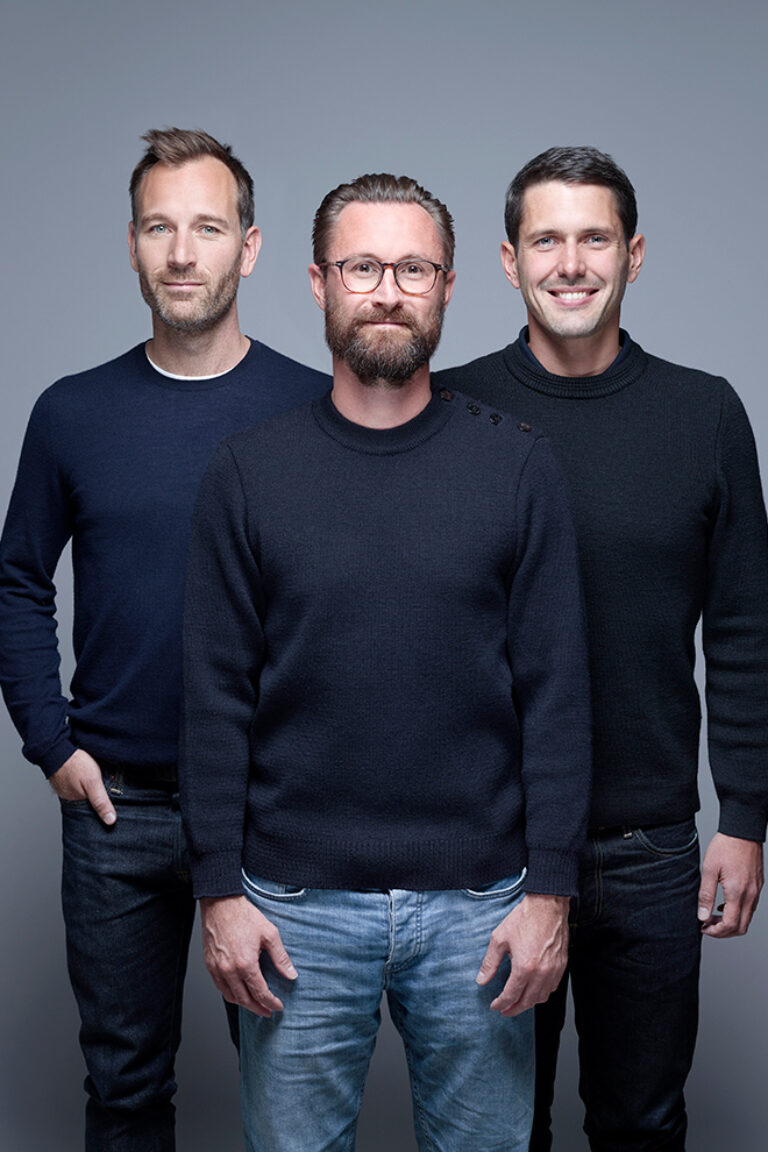
Augustin Scott de Martinville, Grégoire Jeanmonod and Elric Petit are BIG-GAME. The studio describes its work as simple, functional and optimistic. It produces a variety of products and accessories for companies such as Alessi, Hay, Karimoku New Standard, Muji, Magis or Muuto. BIG-GAME’s work is often accessible, charming and, above all, useful.
The studio has received numerous awards including the Swiss Design Award, the iF design award, the Wallpaper Design Award, the Good Design Award, the Hublot Design Award and Design Preis Schweiz. BIG-GAME’s works are part of the collections of the Museum fur Gestaltung, the Vitra Design Museum, the Centre Georges Pompidou as well as the MoMA.The studio is based in Lausanne, Switzerland. In addition to their design work, the three founders of BIG-GAME also serve as professors at ECAL / University of Arts and Design Lausanne.


Wed, Feb 14, 2024
bookworm
The Face magazine
Only for MED students
The Face magazine
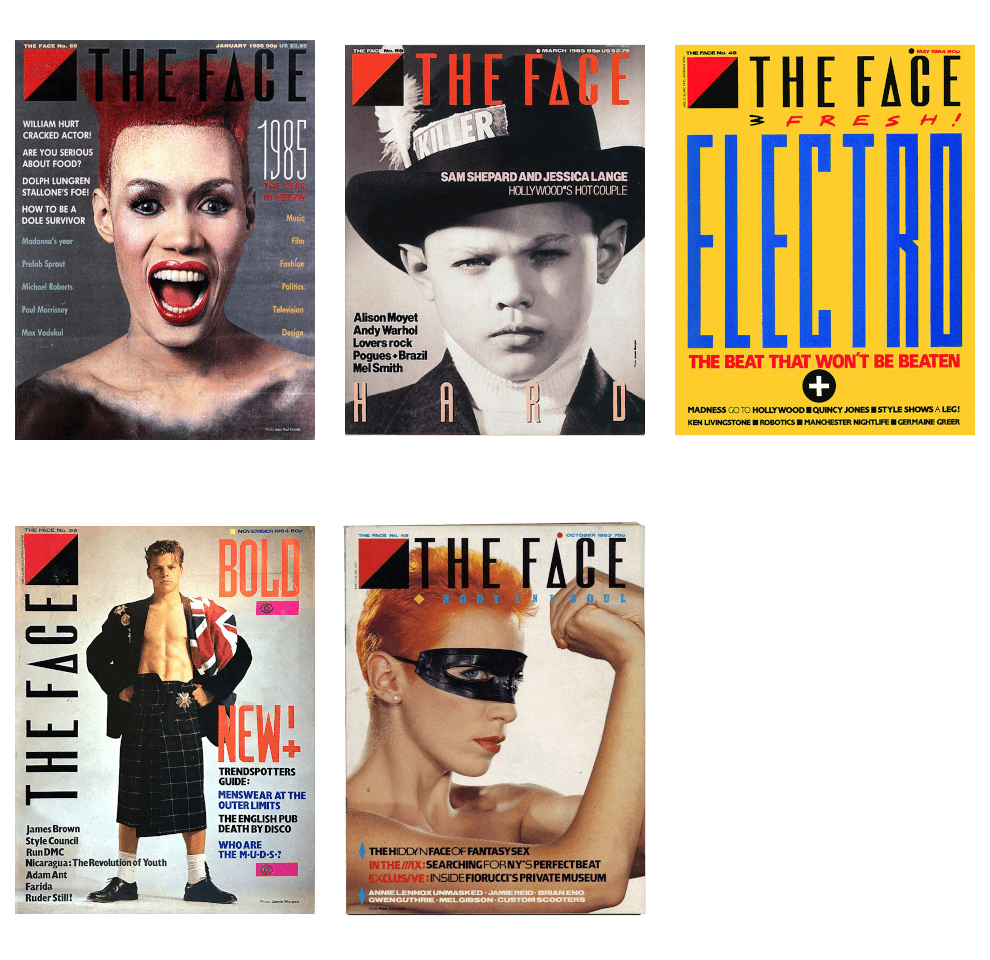
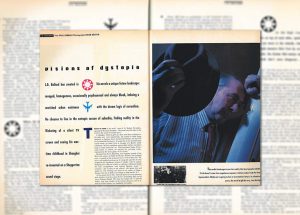
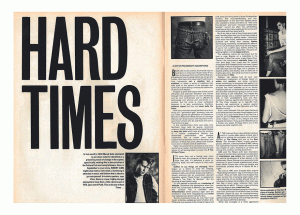
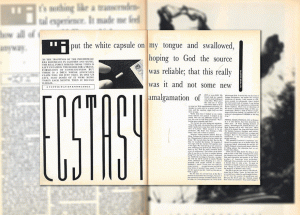
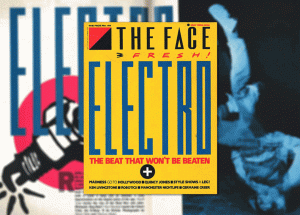
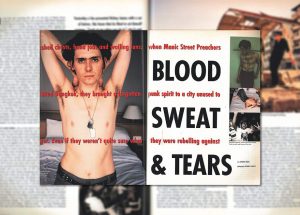
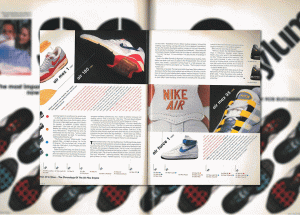
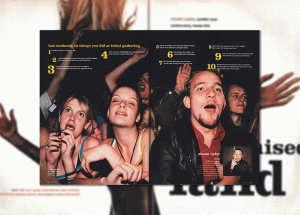
Magazines are a unique document of the spirit of their time. The Face, designed by Neville Brody between 1981 and 1986, is a good example of total graphic work. Focused on music and fashion, its style was highly influential and largely defined the aesthetics of the 1980s.

Over the Bookworm sessions we will explore several iconic magazines that capture the spirit of the era in which they were designed. We will place the magazines in their context and try to define what makes them relevant in the history of 20th century editorial design. The Bookworm sessions are guided by Andreu Jansà, librarian and curator of the Enric Bricall Reserve Fund.
Wed, Jan 31, 2024
graphic.elisava lectures
7.30 pm — Sala Aleix Carrió
Open to the public

Giliane Cachin
Positive and negative restrictions in graphic design
Positive and negative restrictions in graphic design
When do restrictions in the design help creativity, and when do they require us to find new solutions? Under the prism of this question, each component of a layout will be reviewed during this lecture and analyzed from different angles (grid-system, text block, typeface and materiality).

Born in 1990 in the French-speaking part of Switzerland, Giliane Cachin is an independent graphic designer based in Zurich. After graduating from ECAL in 2014, she worked for the studio NORM, as well as for the Lineto foundry and its founder Cornel Windlin. Today, beside running her own studio, she teaches editorial design at ECAL and typography at ZHdK, together with David Keshavjee and Marietta Eugster.
As a child, Giliane Cachin accompanied her engineer father to print industry fairs and was fascinated by all types of data visualization, such as technical drawings, information tables, color print tests etc. Today, in her practice, she likes to work around the density of information and the implementation of grid systems to render content clear and accessible all while letting the available data guide her designs.


Wed, Jan 24, 2024
bookworm
Award-winning books
Only for MED students
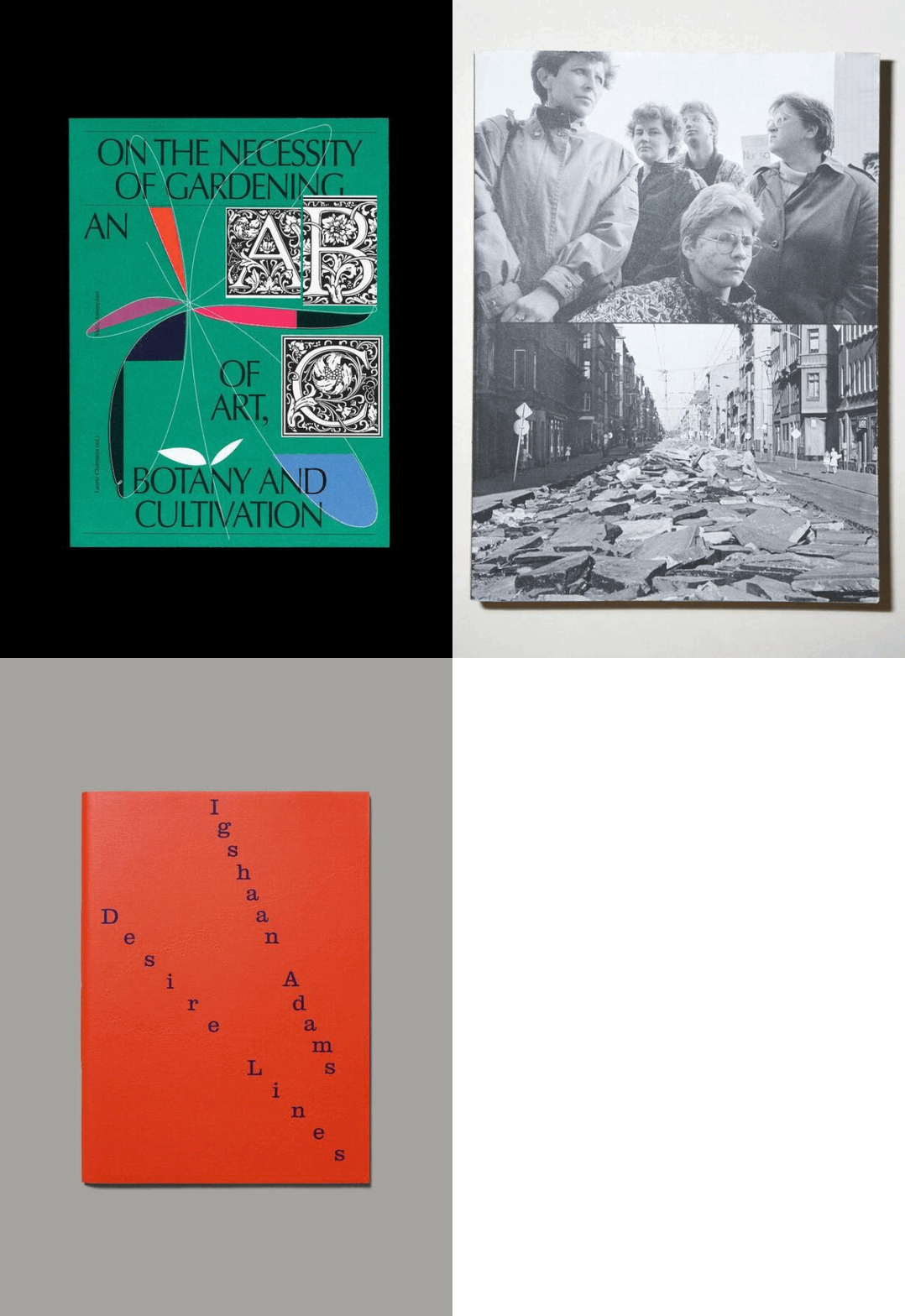
What does a well-designed book look like? In this first session we will look at some books that have recently won awards in competitions such as “The Most Beautiful Swiss Books”, the Frankfurt Book Fair or the Laus Awards. Through the verdict of a jury of experts, we will analyse what factors currently determine excellence in book design.

Over the Bookworm sessions we will explore several iconic books that capture the spirit of the era in which they were designed. We will place the books in their context and try to define what makes them relevant in the history of 20th century book design. The Bookworm sessions are guided by Andreu Jansà, librarian and curator of the Enric Bricall Reserve Fund.


Wed, Jan 17, 2024
case studies
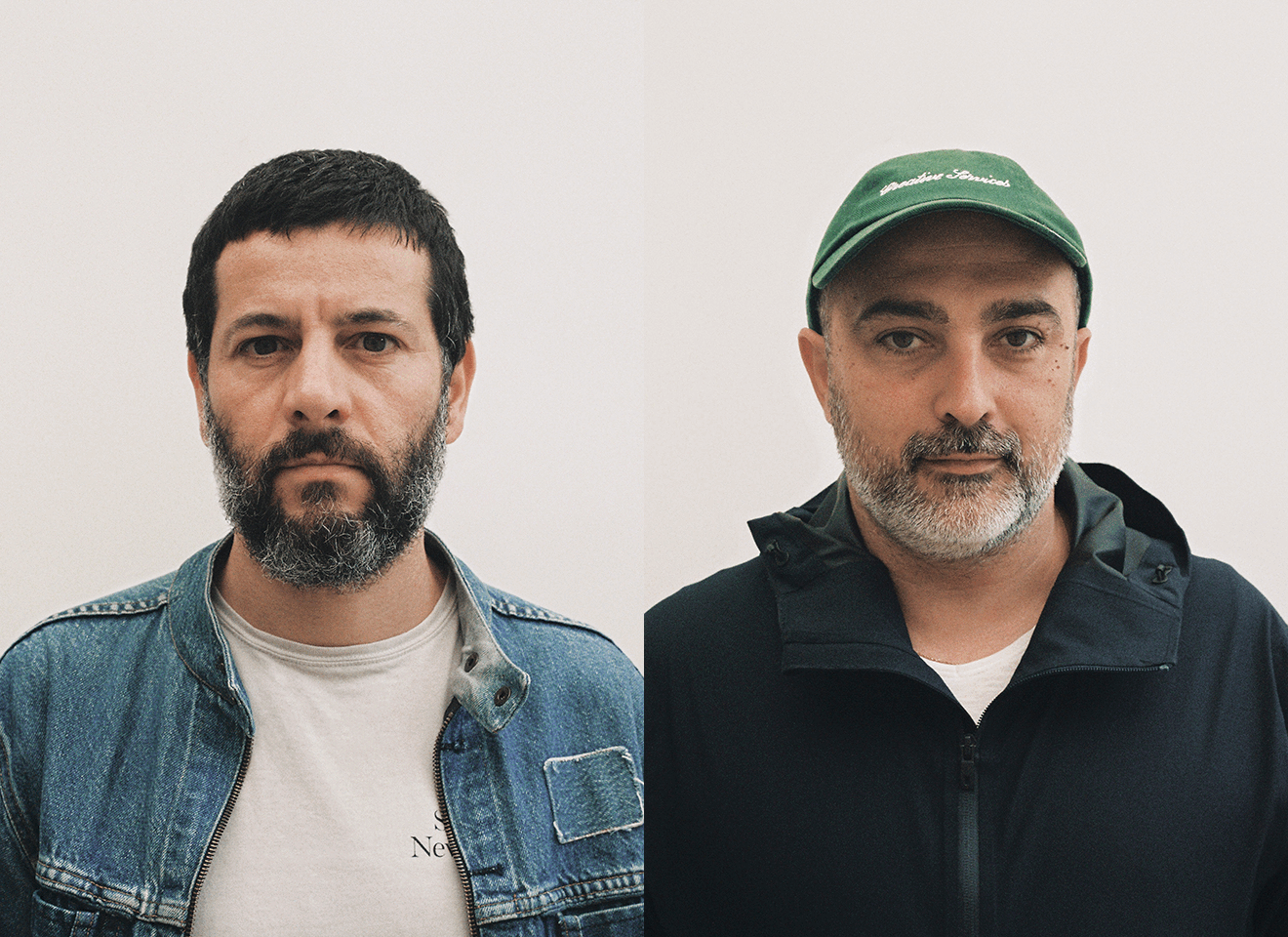
Albert Folch & Rafa Martínez, Folch
Latests projects
Only for MDV students
Latest projects
In an accelerated world, every aspect of our lives is in constant change. At Folch we bring together different disciplines to respond to every brief, always seeking to have an atypical vision. Each project is an opportunity to design concepts, brands, narratives and digital events, reaching and involving audiences to this new liquid paradigm.
Folch Creative-driven brand ecosystem. Acid House (creative and business innovation hub in Barcelona and Madrid), White Horse (creative production), Avanti Studio (city branding & way finding ), NOW (digital innovation and transformation), Creative Services (fashion and e-commerce), PILLS (digital education), Gallery Studio (New music formats), G.Records (Record label), Gallery (Music Innovation), Eldorado Agency (outdoor creative agency), J.Franc (3D visualization and AR/VR solutions), FFF (Digital type foundry) and Self (talent management).


Wed, Jan 17, 2024
masters’ talks
7.30 pm — Event at DHub
Open to the public

Kaave Pour, SPACE10
The New Home
The New Home
This session will highlight the home’s role in the next decade of design and technology. It will also discuss how industries will be more connected and influenced by our living spaces.
Kaave shares a decade of insights from SPACE10, envisioning new possibilities where design and technology foster a healthier, more sustainable, and inclusive society.
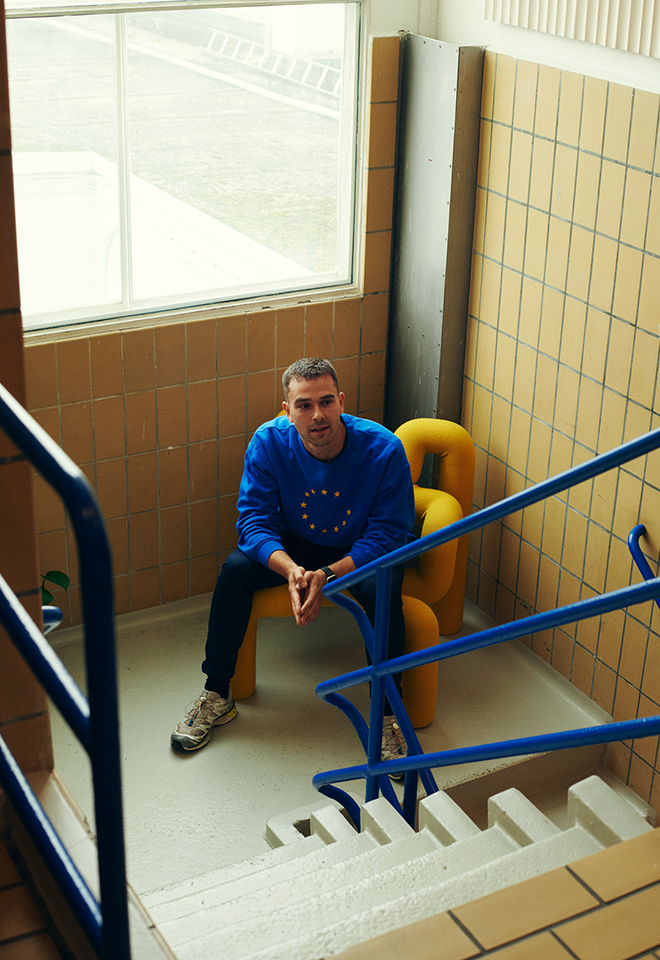
Kaave Pour is the Co-founder and CEO of SPACE10, a research and design lab on a mission to create a better everyday life for people and the planet. Working at the intersection of design, technology and business, he strives to create radical solutions to societal and environmental challenges. Kaave’s work includes collaborations with IKEA, Apple, UN, Harvard and MIT among others.
Much of it has been acknowledged in the press all around the world and has won numerous awards including D&AD, Webby, Dezeen and Fast Company. Furthermore, he is a frequent speaker and guest lecturer, sharing his thoughts and experiences with global brands, universities, organisations and media to encourage a curious, playful and forward-thinking approach to doing business.
SPACE10 was a research and design lab on a mission to create a better everyday life for people and planet, successfully closed September 2023 after a almost a decade of work.
We did research and design innovative solutions to some of the major societal changes expected to affect people and our planet in the years to come.
At our core, we prioritised a collaborative approach and strived to surround ourselves with people who are smarter than us. We worked with an ever-growing network of forward-thinking specialists and creatives from around the world and shared our research and ideas publicly. Alongside that, we regularly hosted exhibitions, talks, dinners and screenings to engage with people, provoke imagination, diversify our perspective and advance our mission.
SPACE10 was proudly supported by and entirely dedicated to IKEA — working as an independent research and design lab. We brought new perspectives and design new solutions that enabled IKEA to live up to their original promise of creating a better everyday life for the many people.


Wed, Dec 13, 2023
masters’ talks
7.30 pm — Event at DHub
Open to the public

Yazmany Arboleda
Color Changing Everything
At the heart of Yazmany Arboleda’s practice is the idea that art is a verb, not a noun. It is something we do, and something we see. He believes that art is a universal language of invention and agency, through which we define and redefine culture, express our shared experiences and envision all possibilities. His values driven practice centers collaboration and interdependence as a future-casting practice. The talk will explore a series of projects that showcase the evolution of his practice.

Yazmany Arboleda (b. 1981, Colombian-American) serves as the first People’s Artist for New York City at the Civic Engagement Commission and is the Founder of The People’s Creative Institute. An architect by training, Yazmany art practice fosters community connections through expansive public art initiatives. He also holds the role of Senior Artistic Advisor for the Community Art Network, He has been commissioned by Carnegie Hall, the Yale School of Management, and the United Nations.
His artistic practice is deeply rooted in the trauma he endured when his father and uncles were assassinated in Medellin, Colombia, at the age of 11. For him, art became a sanctuary for exploration and self-discovery. It has provided him with the means to grasp his own evolving identity as a continually changing individual. His mission is to convey that art can function as a similar space of discovery and transformation for others as well. He endeavors to inspire people to recognize the potential of art for personal growth and collective understanding.


Mon, Nov 20, 2023
case studies

Natalia Santolaria, Domestic Data Streamers
Designing for the unknown
Only for MVD students
We, humans, struggle to build empathy towards large amounts of information. ¿How do we solve these challenges when the problems we face today are so inherently big, interconnected, wicked, and globalized? In this talk, we will explore some humble experiments done to overcome this lack of empathy through art, technology, and participatory experiences.
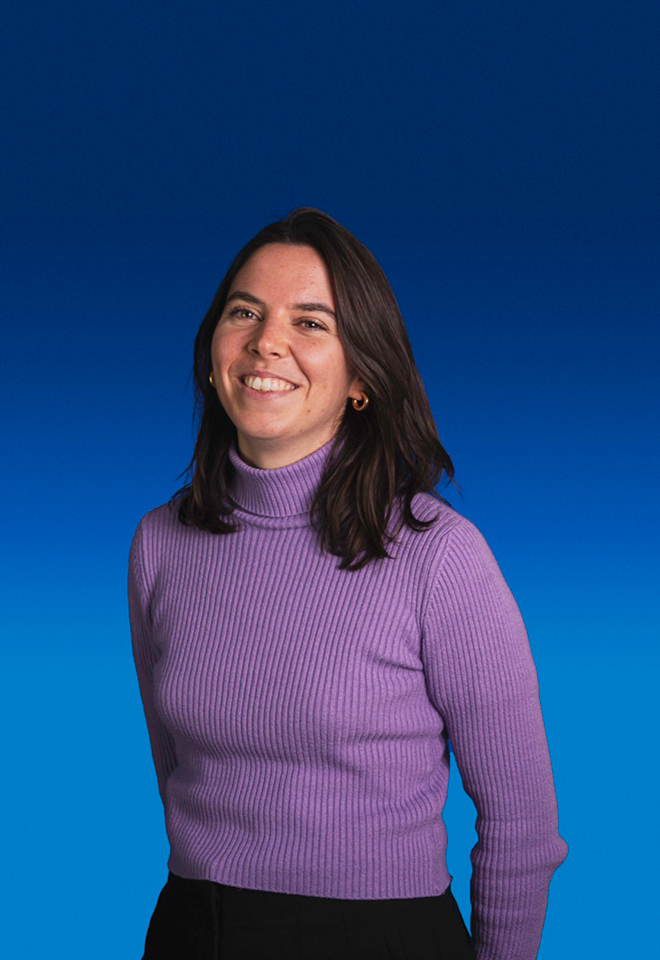
Natalia Santolaria is a creative director at Domestic Data Streamers, a storyteller who uses data as raw material. Trained in journalism and humanities, she works with a team of 25 designers, architects and technologists to create connections between information and people that trigger conversations and changes in fixed perspectives. Focused on social impact projects, she has directed campaigns and installations for organizations such as UN agencies, local governments or OXFAM. She explores how to bring interaction into the performing arts at matriu.id.
Domestic Data Streamers is an award-winning studio exploring how to express data through film, robotics, code, theater, or architecture in schools, prisons, cinemas, the streets of many cities, and even the United Nations Headquarters. They work for commercial brands and all kinds of old-school and new-kinky institutions. They truly believe data can be a real trigger of change and build bridges in a polarized society.


Nov 13 — 19, 2023
workshop
Martin Lorenz, TwoPoints.Net
Systemic Type Design
Only for MVD students
Systemic Type Design
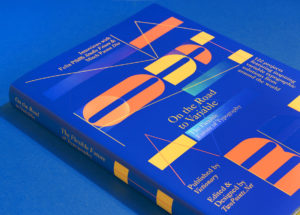
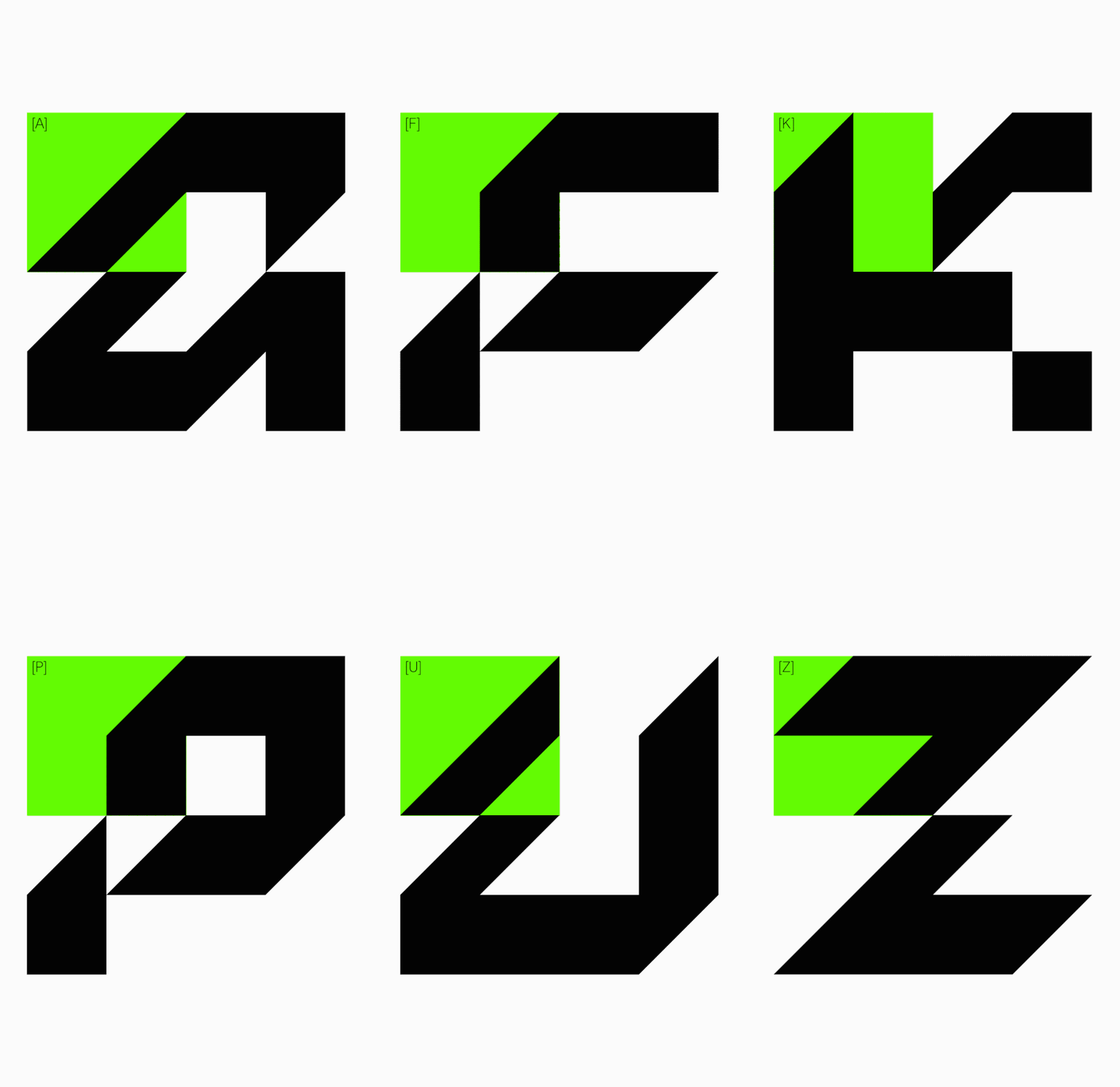
We live in a (new) golden age of systemic type design. New technologies and easy to use programmes leveled the playfield for emerging designers and gave them the chance to experiment with new ideas. The world of display fonts has witnessed a lot of new impulses in the last years. Type has become more flexible, variable and kinetic as ever, adjusting efficiently and effectively to new communication channels.
Systemic Type Design is more than designing fonts. A type system is an efficient design tool that helps designers to design. If done well, the act of writing is the act of designing without the need to further layout the text. In this course we will develop an experimental type system that almost automatically generates fantastic design applications.
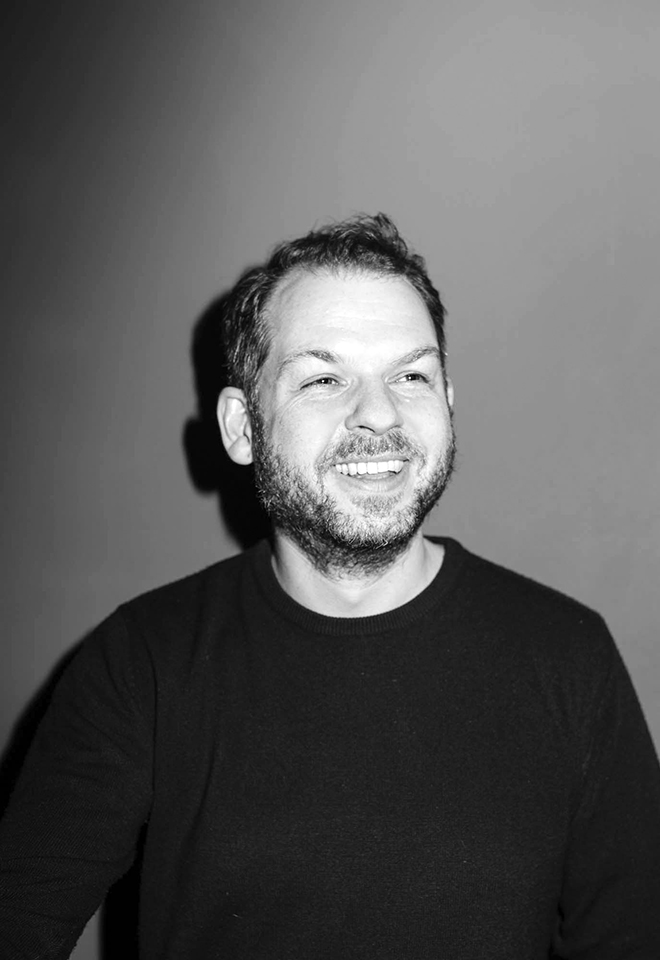
Martin Lorenz
might as well have become a cook, a comic artist or an architect, were it not for an internship at Müller+Volkmann. Lorenz studied Graphic Design at the University of Applied Sciences in Darmstadt and the Royal Academy of Arts (KABK) in The Hague. After working four years at the design agency Hort, he moved to Barcelona to found TwoPoints.Net with Lupi Asensio and do his MA and PhD in Design Research at the UB. Lorenz has taught since 2006 for Elisava and still likes to cook.