Events are an integral part of the master programs: from workshops with guests professors to lectures series with relevant practitioners.
Wed, Oct 21, 2026
Graphic — Elisava lectures
7.30 pm — Sala Aleix Carrió
Open to the public

Luisa Milani, La Tigre
An illustrated alphabet of vibrant matters
An illustrated alphabet of vibrant matters
La Tigre looks at graphic design as a living material: shapes that breathe, colours that vibrate, signs that shift between the abstract and the figurative. The talk composes an illustrated alphabet of the qualities that guide the studio’s work, from synthesis to colour, from research to play. A journey through forms and words, where visual language becomes a playground and every element, however small, has something to say.
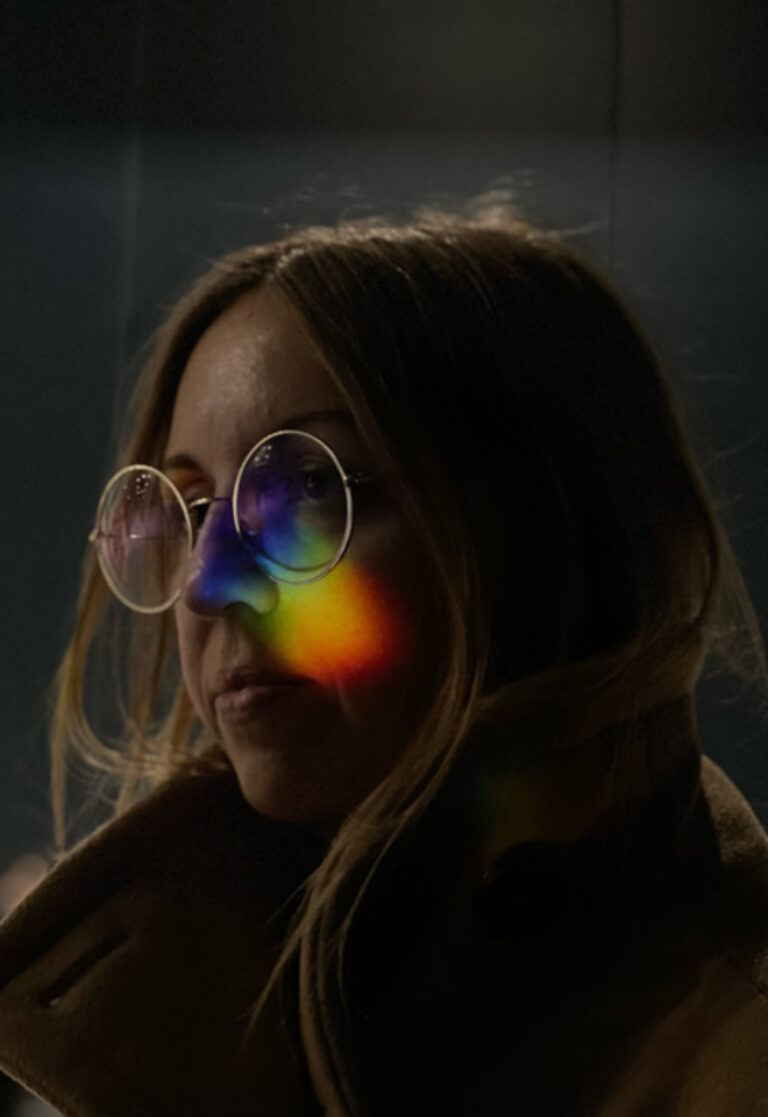
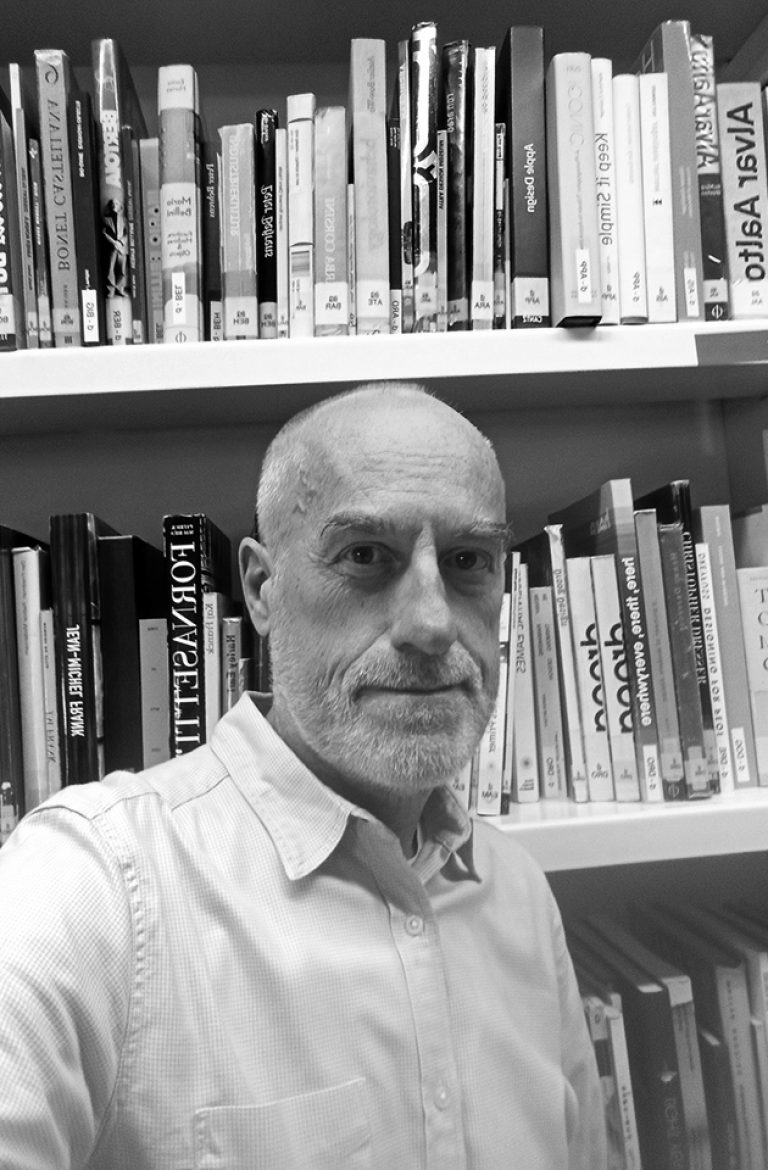
Luisa Milani is the art director and co-founder of the independent graphic design studio LaTigre. She studied at Politecnico di Milano and, a few years later, in 2009, founded the studio. Alongside her practice, she has spent several years teaching. Always in search of the sublime in color and form, her design approach is solid and concrete, yet spontaneous—free from constraints or creative limits. She draws inspiration from everything around her, making intuition a core aspect of her practice. A long-time yoga practitioner, she brings the same balance and awareness to her creative work, leaving room for serendipity, her motto.
La Tigre is a graphic design studio founded and directed by Luisa Milani and Walter Molteni, members of AGI (Alliance Graphique Internationale). Since 2009, the studio has been developing multiform visual languages in which formal research is driven by synthesis and a vibrant use of color, where the boundary between the abstract and the figurative at times becomes blurred. It collaborates with international entities such as Apple, Bitossi Home, Living and Abitare – Corriere della Sera, Max Mara, The New York Times, Phaidon, and Wired USA. Alongside commissioned projects, the studio conducts experimental research across various media.


Wed, Nov 4, 2026
Masters’ Talks
7.30 pm — Event at DHub
Open to the public

Izaskun Chinchilla
Los barrios del buen vivir: A Perspective from Tentative Design
Los barrios del buen vivir: A Perspective from Tentative Design
What if designers made fewer mistakes if they stopped trying to get it right the first time? Neighborhoods of Good Living explore a city understood not as a finished object, but as a living laboratory: spaces that are tested, inhabited, evaluated, and transformed. The lecture will explore the work of Izaskun Chinchilla Architects and the book Neighborhoods of Good Living to ask what happens when design abandons certainty and embraces hypothesis, experimentation, and adaptation. A perspective from tentative design to conceive of well-being as something experienced collectively.

Izaskun Chinchilla, a professor at the Bartlett School of Architecture, University College London (UCL), and an honorary fellow of the Royal Institute of British Architects (RIBA), integrates ecology, care, and participation into her practice, research, and teaching. Her work promotes more equitable and sustainable cities. She combines design, critical thinking, and cultural knowledge to promote an architecture that is educational, cooperative, and oriented toward the common good. She is the author of La ciudad de los cuidados (Catarata, 2021) and Los barrios del buen vivir (Catarata, 2026).
Izaskun Chinchilla Architects is a group of architects led by Izaskun Chinchilla that brings together interdisciplinary teams for each project. Their work focuses on optimizing the environmental performance of architecture, public space, facilities, art, and cultural products through innovation. Public engagement and social participation are pillars of their practice, which promotes collaboration in the construction of shared spaces and community-based decision-making regarding the use, location, and characteristics of the facilities they design.


past events
Wed, Nov 13, 2024
masters’ talks
7.30 pm — Event at DHub
Open to the public

Yosuke Ushigome, Normally
Making data speak human
Making data speak human
Designers across domains must increasingly engage with data. With the rise of AI, there is an opportunity to humanise data in innovative ways. In this presentation, I will introduce recent projects that explore these possibilities, ranging from an experimental tool translating energy forecasts into proverbs, to an internal application enhancing organisational efficiency. To bridge technology and human experience and decision making, data needs to speak human.

Yosuke Ushigome (yoh-skay oo-shee-goh-meh) is a London-based designer/technologist, currently working for Normally as Lead Interaction Designer. He works across disciplines with a focus on interaction design, digital prototyping, and futures research. For over 10 years, he has been involved in various R&D and visioning projects with organisations worldwide such as the NHS, Hitachi and Swarovski. He also writes about more equitable and sustainable ways we interact with technology on design publications such as Core77 and ICON magazine.
Normally unlocks the transformative potential of AI for clients, including IKEA, Google, Panasonic, and the NHS. We have a decade of experience at the intersection of human-centred design and AI engineering, applying AI to enhance operational efficiency and growth, and deliver innovative AI-enabled products and services


Wed, Nov 6, 2024
showcase

Joan Alvares, Putos Modernos
“Spam para hoy, hambre para mañana”.
Only for MDV students
Advertising annoys. Advertising interrupts. Because advertising is, in the end, the price a brand pays for not having a memorable product. Through humor, the shortest way between two people, and a recognizable graphic style based on text and sobriety, PutosModernos converts the commercial message into content that people choose to see and, on many occasions, share. In this session, entitled “Spam for today: hunger for tomorrow” Joan will explain his vision of communication through a selection of commercial projects, reflections and learnings, accompanied with the history of the evolution of the brand, the construction of an audience of its own in the digital environment and some anecdotes of its successes and failures.

Joan Alvares
Journalist by training, publicist by profession and copywriter by obligation, Joan Alvares (Sabadell, 1983) is a copywriter and creative director. In 2009 he founded Poko, an independent creative agency with which he worked for clients such as Nike, Artfutura, Ray-Ban, Persol, Garmin, Trident or Warner Bross. He is currently partner and creative director of PutosModernos.
In advertising he has directed campaigns for Converse, Lacoste, Beefeater, Nike, FC Barcelona, Cabify, Roxy, Damm, Pepsi, Absolut, Red Hat, Torres, Imagin, Pompeii, Deutsche Bank, Malpaso Ediciones, Penguin Random House, Mobile World Capital, Teatro de la Maestranza, Spotify, Danone, Skate Agora, Arrels, Motorola or the Generalitat de Catalunya, among others. His work has been distinguished with 4 Laus Awards (ADG-FAD), with the Graffica 2021 Award, with the recognition of Creative of the Year (Agripina) or at the International Advertising Festival Cannes Lions. In 2023 Forbes included him in the list of the 100 Most Influential Creatives in the business world. He has been a professor at Istituto Europeo di Design, University of Westminster (London) or Elisava-UPF (Barcelona) and speaker at national and international festivals.
Putos Modernos is a self-parody of modernity to itself. And what is modernity? Modernity is running stressed out to your mindfulness class, searching for cheap flights from an expensive cell phone or combining down and ankles in the air. Modernity is you, modernity is all of us. With a community that today exceeds half a million followers in networks, PutosModernos creates content, products and advertising campaigns for brands and people willing to laugh at themselves. Among other milestones, PutosModernos has represented Spain at the International Poster Biennial, held in Santa Cruz (Bolivia), and has released its own series on Filmin (2023).
Some media have defined PutosModernos as “the art of making the simple viral” (Emprendedores magazine), “a form of post-postureo” (La Vanguardia), “daily doses of fine irony” (El Español), “reality without filters or autotune” (El País) or “the closest thing to a modern advertising agency”, according to Toni Segarra.


Wed, Oct 30, 2024
showcase

Marc Torrell, Usted
I don’t write very well
Only for MVD students
In this session, I will share the stories and the behind-the-scenes details of some of the projects I have participated in throughout my career from a strategy and verbal identity perspective. The goal is to showcase the key aspects of my work and the impact it has on the design and visual creation processes of the teams I collaborate with.
It’s going to be mostly about words, but please don’t panic, I’ll be showing some images too.

Marc Torrell
I’ve loved writing since I was a kid. As I grew older, I wrote less. The novels and poems I once dreamed of writing turned into headlines, simple concepts, and brand names. I graduated in Advertising and Audiovisual Communication, worked for large international agencies and dinosaur clients, and later discovered the meaning of design through collaborations with studios like Mucho, Hey, Lo Siento, Querida, and Pràctica. In 2013, I co-founded Usted with my friend and partner, Martí Pujolàs.
We consider Usted a hybrid between a traditional advertising agency and a design studio. The focus, whatever the project is, is always the same: strategic thinking, concept with longevity and carefully crafted art direction. We work straight with clients or collaborate with fellow studios in conceptualization and verbal identity tasks for clients of all sizes and markets.


Wed, Oct 30, 2024
bookworm

Awarded books
Only for MED students
In this first session we will try to find out what makes a well-designed book and what factors determine excellence in editorial design. We will look at recent examples of award-winning publications from the Most Beautiful Swiss Books, Best Book Design From All Over The World and the LAUS Awards. By browsing through the books we will be able to feel their material presence and examine the elements that make them up: binding, paper, composition, typography and the fit between form and content. Moreover, through the verdict of these prestigious prizes awarded by specialists, we will be able to analyse current trends in editorial design. Each student will be able to express their opinion and choose their own favorites according to his or her own sensibility.
In the Bookworm sessions we will explore iconic magazines and books that capture the spirit of the era in which they were created. The material comes from Elisava’s library collections, especially from its Reserve Fund, which contains publications that, due to their design, constitute a journey through the best of the past and present of modern graphics applied to the field of editorial design.
The Bookworm sessions are guided by Andreu Jansà, librarian and curator of the Enric Bricall Reserve Fund.
We will place the publications in their context and try to define what makes them relevant in the history of editorial design in the 20th and 21st centuries. The direct contact with the books and magazines that we will see in each session will allow us to experience the printed document from a material point of view: binding, paper, lay out, illustrations, typography. We will also be able to assess the adequacy between form and content.


Wed, Oct 23, 2024
masters’ talks
7.30 pm — Event at DHub
Open to the public

Sissel Tolaas, Smell RE_searchLab
Smell Molecules are the Air’s Alphabet
Sissel Tolaas is a Smell RE_searcher and artist, born in Norway, based in Berlin, Germany.
Tolaas has been intensively researching, experimenting with, and working on the topic of smell since 1990. A pioneer in the field, she is renowned for her innovative and unique approach to advancing the science and understanding of olfaction.
Drawing on her expertise in forensic chemistry, chemical communication, sensory ecology, linguistics, and visual art, she has developed a broad range of ground- breaking interdisciplinary projects involving smell, implemented worldwide.
In January 2004, Tolaas founded the professional smell chemistry lab: SMELL RE_searchLab in Berlin – supported by the industry and various universities.
Her expertise includes advanced smell recognition, analysis, and reproduction, as well as the coding and functional understanding of smell molecules. She has created novel methods for coding abstract smell molecules and studying linguistic responses to both individual smells and olfactory experiences in general. Tolaas has explored the science and art of smell in diverse contexts, applying her knowledge to a variety of purposes and formats.
Her research and projects have won recognition through numerous national and international scholarships, honours, and prizes. She is very capable at collaborating intensively with those of other disciplines across the globe.

Tolaas has shown her projects in many museums and institutions including Museum of Modern Art, MOMA, New York; National Gallery of Victoria NGV, Melbourne; DIA Art Foundation, New York; CCA Singapore, Tate Modern London; Shanghai Minsheng Art Museum, Shanghai; MORI Museum, Tokyo. She has worked with universities such as MIT, Nanyang Technical, Tsinghua, Stanford, Harvard, and Oxford. She has built up several types of smell archives such as: Smell & Communication/ language; Smell & Coding, Smell & Anthropocene; Smell & Extinction; Smell & Sensory Ecology; Functional Smell Molecules. Tolaas’ collections of smell molecules; smell complex structures and smell para data from 1990 and ongoing are including up to 20,000 smell recording samples and formulas.
Smell Molecules are the Air’s Alphabet
How much of what we communicate is influenced by what we see? And what happens to our stories when sight is no longer an option?
How can we activate the hidden information in the air that surrounds us all? Air is a shared medium, connecting all living beings. Where there is air, there is life, and with life comes the language of smell. Air is both information and emotion in motion.
Could the details carried by smell molecules transform how we communicate? How can we engage with critical topics from an entirely new perspective through olfactory information? What if the essence of content could be revealed through smell, offering a new way of perceiving the past, present, and future?
Working with experts and scholars worldwide, I focus on developing a new approach to understanding, communicating, and displaying the chemistry of smell in diverse contexts. I capture smell molecules from various sources, analyze them, build precise databases, and create innovative ways to narrate their stories. These molecules reveal dimensions often overlooked.
The goal is to inspire a shift towards a more sensory-driven perception of the world. The transformative power of smell has shown me that change is not just possible—it is essential. Smell, deeply linked to emotion and memory, has a profound significance in human experience. Its connection to the amygdala-hippocampal complex enhances its ability to evoke emotions and memories, making it a powerful yet neglected tool for understanding life.
Life is everywhere and constant. We all breathe the same air, collectively shaping it. My work serves as a reminder of this shared reality.
Historical, sociological, and cultural influences have led us to neglect parts of our potential. Education is vital for reawakening these dormant capacities, tapping into our sensory abilities.
Smell unites us and kindles joy, which is often overlooked today. Across cultures, it enriches social rituals and gatherings, shaping human connections. In a world dominated by virtual and artificial intelligence, we must remember that our senses are our most advanced interface—intrinsically intelligent and grounding us in our humanity.
Our emotional depth distinguishes us from machines, and smell plays a central role in that.
The essence of life lies in reconnecting with our olfactory senses. Training this sense provides fresh perspectives on societal challenges and brings optimism. With growing global instability, recalibrating our communication and decision-making processes is more crucial than ever.
We need a sensory reboot—an approach to interpreting sensory inputs constructively. Engaging our sense of smell activates memories and emotions, fostering learning and action. Instead of being constantly online, we should strive to be “on-life,” rooted in genuine experiences. Addressing global challenges begins by reconnecting with our senses, cultivating tolerance, and rediscovering what it truly means to live.


Wed, Oct 23, 2024
showcase

Thierry Brunfaut, Base Design
Secret files: The first impression
Only for MVD students
In this special session, Thierry will share content you won’t find online or on social media: the initial client presentations. He will explain how we developed these at Base, focusing on objectives, flow, and storytelling. Using examples from both the cultural and commercial sectors, Thierry will emphasize a key principle at Base: the importance of crafting each presentation uniquely for each client and context, avoiding any standardization of the creative process.

Thierry Brunfaut is a creative director and one of the founding partners of Base Design, the international network of branding studios based in Brussels, New York, Geneva, and Melbourne. He is the author of the renowned 5–minute poster series, a professor, and a regular speaker at design and branding conferences around the world. Thierry bears a striking and seemingly contradictory resemblance to Moby and Kermit the Frog.
Base Design is an international network of studios that creates brands with cultural impact. Located in Brussels, New York, Geneva, and Melbourne, our team of 80+ creatives, strategists, and digital experts design and develop simple yet powerful brands and build unique personalities. Founded in the early ‘90s, the company has evolved continuously over the years and is now steered by partners across all four studios. Clients include Apple, The New York Times, The Institut Français de la Mode, la Fondation Cartier, Studio Brussel, MoMA, Bob Dylan Center, Dior Galerie, La Monnaie Opera, IFAW, The Prince Estate, Orior,
Bozar, NY Mets, Caran d’Ache, Caudalie, the JFK Terminal 4, and many more. Base Design is B–Corp certified since 2023.


Wed, Oct 16, 2024
case studies

Pau Aleikum Garcia, Domestic Data Streamers
Designing for the unknown
Only for MVD students
We, humans, struggle to build empathy towards large amounts of information. ¿How do we solve these challenges when the problems we face today are so inherently big, interconnected, wicked, and globalized? In this talk, we will explore some humble experiments done to overcome this lack of empathy through art, technology, and participatory experiences.

Pau Aleikum Garcia is a media designer and the co-founder of Domestic Data Streamers, a 25 people studio that since 2013 has been focused on creating info-experiences. He also leads de Master in Data Design at Elisava. He is a guest lecturer at The New School (NYC), Hong Kong Design Institute, the Royal College of Arts (London), Politecnico di Milano and the Barcelona School of Economics. He built and permanently lives in the Residence for Artists HeyHuman! and is part of the Posttraumatic Collective. Usually, he doesn’t speak in the third person.
Domestic Data Streamers is an award-winning studio exploring how to express data through film, robotics, code, theater, or architecture in schools, prisons, cinemas, the streets of many cities, and even the United Nations Headquarters. They work for commercial brands and all kinds of old-school and new-kinky institutions. They truly believe data can be a real trigger of change and build bridges in a polarized society.


Wed, Oct 9, 2024
masterclass

Danae Gómez Lois, Vandals
Strategic Tools for Decision-Making
Only for MVD students
Welcome to our back room! This Masterclass is like a deep dive into Vandals’ essential tools that will take you from understanding the “why” to figuring out the “what.” By integrating design and innovation methodologies, we’ll help you uncover needs and explore new possibilities. You’ll gain key insights to expand your knowledge, incorporate diverse perspectives, engage stakeholders, reflect on strategies, communicate effectively, and experiment with iteration.
In this session, you’ll develop strategic thinking skills to foster creativity and make informed, objective decisions. You’ll also acquire practical techniques for structured problem-solving, inclusive decision-making, and embracing iteration to continuously refine your approach.

Danae Gómez Lois
As a Design Strategist and Business Designer, Danae seeks to transform client’s businesses by articulating their purpose and growth territories, creating services, experiences, and business models that pivot around the differential value that they bring to the world. Through her life, she has immersed herself in diverse cultural landscapes across South and Northern America, the Caribbean, and Europe. Drawing upon these experiences, she applies her insights to drive transformative changes in businesses. Fueled by a passion for comprehending behavior, culture, experience, and forward-thinking, currently, she is shaking perspectives together with her partner at Vandals, a research and strategy service designed to challenge conventional thinking, while also contributing as a Master’s lecturer at Shifta by Elisava.
Vandals
Our research and strategy services are designed to challenge conventional thinking, emphasizing the unique value each business brings to the world. Allergic to absolute ideas, we reject rigid thinking and embrace the tough questions. Our goal is to inspire and guide companies, teams and entrepreneurs through method, reason and boldness in the following stages: [01] Where are you now? [02] Where do you want to be? [03] How to get there? We can assist you by designing or revamping your business concept, connecting you with what people value, ushering you to new areas of opportunity, positioning and articulating your company’s identity, shaping service or product experiences while dynamizing the people, culture & processes that run behind scenes.


Wed, May 22, 2024
graphic.elisava lectures
7.30 pm — Sala Aleix Carrió
Open to the public

Anette Lenz
À propos
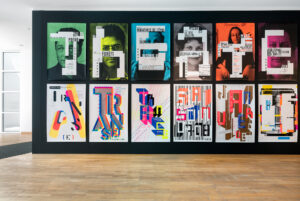
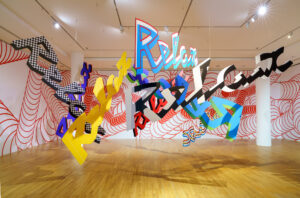
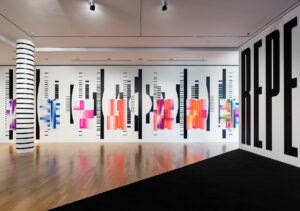
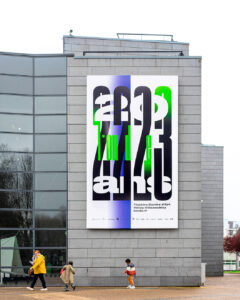
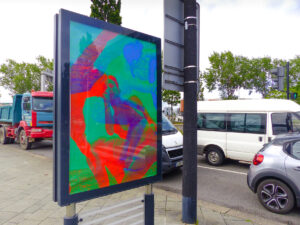
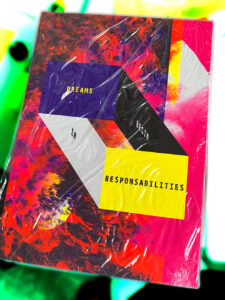
Anette Lenz recent solo exhibition at the Museum Angewandte Kunst in Frankfurt, Germany (2021), is the foundation for this conference where she will share her perspective on culture, society and life throughout her designwork.
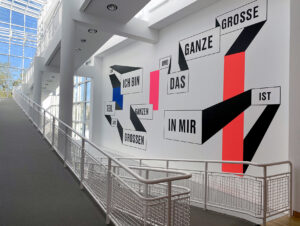
The graphic work “I am part of the big picture and the big picture is part of me” by Anette Lenz serves as a fitting prelude to her concept of a design resonance that, in today’s times, could hardly be more topical.”
Quote from the Museum Angewandte Kunst website: “In her first large-scale solo exhibition in Germany, Anette Lenz contextualizes, ironizes, and comments on her own attitude towards life. She transforms the Museum spaces into immersive graphic worlds that make visual communication a tangible experience: sensual, poetic, and thought-provoking. The title “à propos” – which means “by the way” – does not merely allude to the fact that she has something to add, a comment of her own to make, but also lays claim to relevance, to a comment made at exactly the right point and time. (…) Rather than turning us into consumers, the impact of her work enables us to participate in graphic design’s inventiveness and power of expression, in a sophisticated game of ever-new interrelationships between information and imagery.
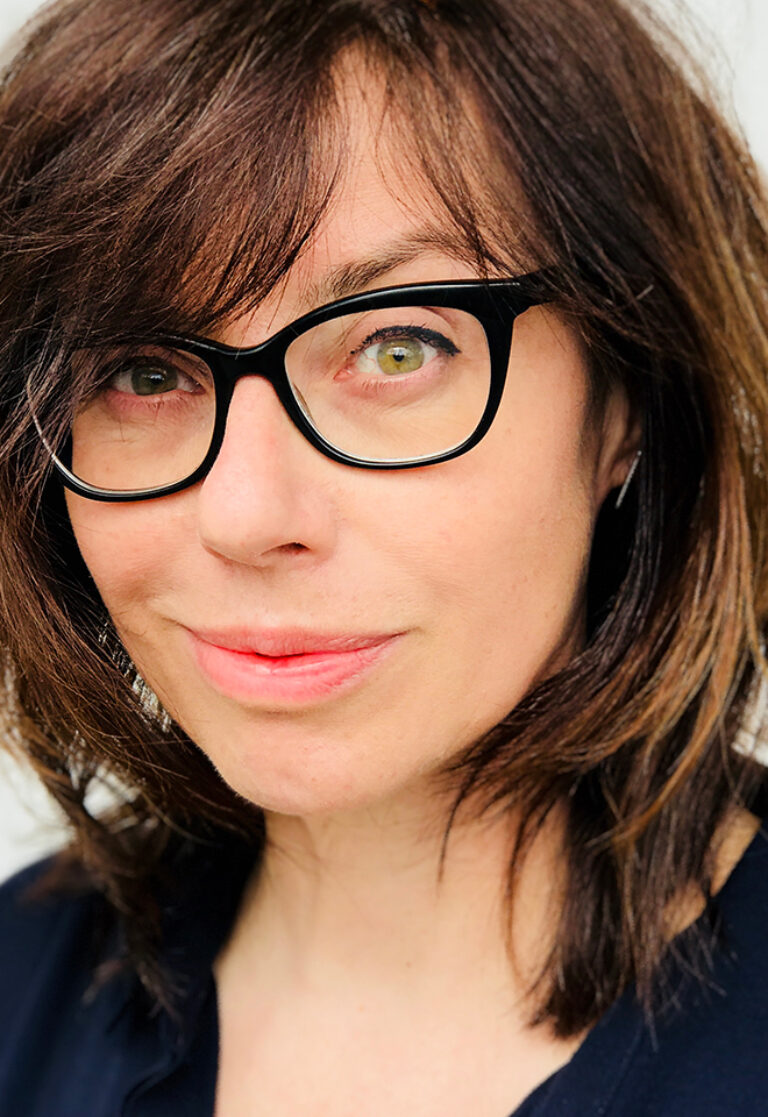
© Waldo Lenz
Anette Lenz is a german graphic designer based in Paris, France.
She concentrates on work with cultural institutions.
Thinking up a project, structuring a singular and evolving visual identity at the heart of the public space are issues that she has always invested in. She views graphic design as a powerful means of both poetic and political connection. Her poster-work is included in important international collections.
Anette Lenz teaches at HEAD — Geneva University of Art and Design, Switzerland. She is a member of AGI.
6 — 10 may, 2024
workshop

Jon Uriarte
Photobook
Only for MED students
Introduction in the world of the photobook from its foundations, history and current situation.
Students will acquire knowledge about their conception and work process developing a project with an author. Narrative, rhythm and sequence when the main content is image.
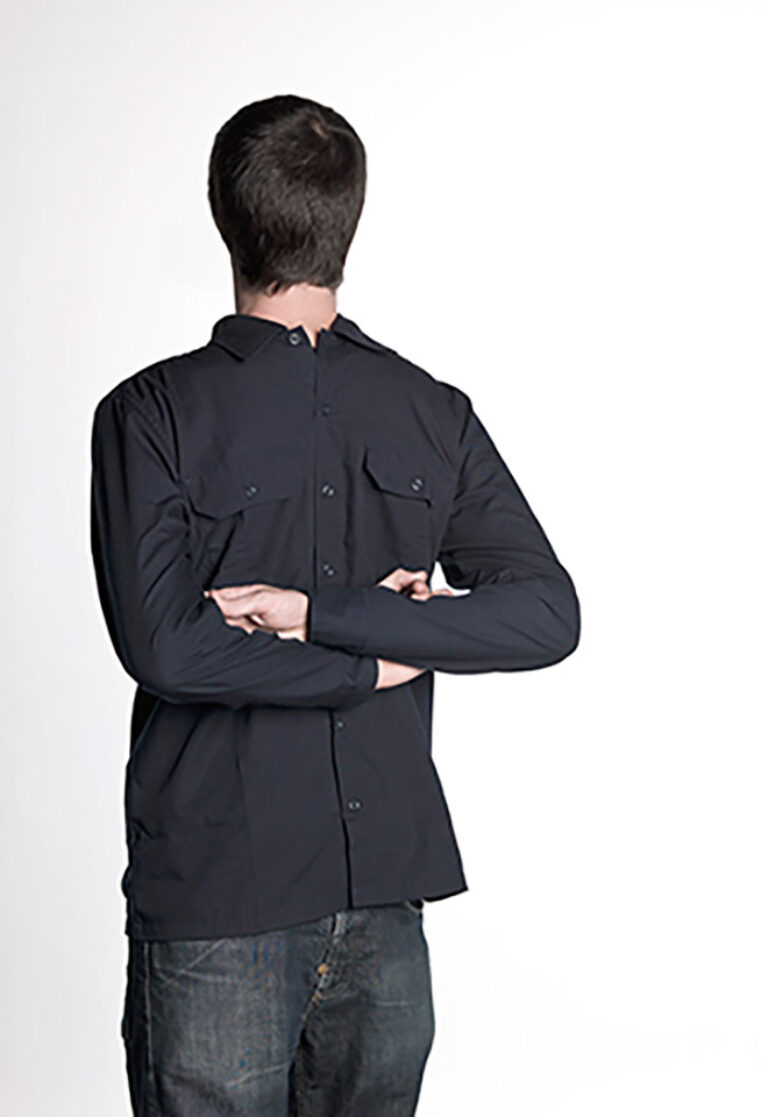
Jon Uriarte studied photography at the Institut d’Estudis Fotogràfics de Catalunya and at the International Center of Photography in New York, as well as a master’s degree in Artistic Projects and Theories from PhotoEspaña and the Universidad Europea de Madrid. He has exhibited in various art centers and galleries, both in collective and individual shows, among which are La Casa Encendida in Madrid, the Koldo Mitxelena in Donostia, Studio 304 in New York, the HBC center in Berlin and the Sala d’Art Jove in Barcelona.
He was the founder of Widephoto, an independent platform dedicated to curating and activities around contemporary photography. In addition, he conceptualized and coordinated for 3 years DONE, the project on reflection and visual creation promoted by Foto Colectania. He currently lives in San Sebastián, from where he combines the curatorship of The Photographers’ Gallery digital programs with the curatorship of the Getxophoto International Image Festival.
may 6 — 10, 2024
workshop
Jose Rosales, Codea Studio
The Art of Stealing
Only for MVD students
The Art of Stealing Workshop aims to explore the idea of appropriation in graphic design. While modifying and sharing content is widespread in digital culture, it is not a new phenomenon. During the workshop, we will examine the potential of this practice in creating works that challenge dominant narratives or collective beliefs, leading to unconventional proposals that stand out from the norm.
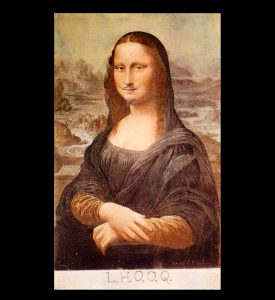
The workshop will focus on the concept of Appropriationism, from its origins as an artistic movement to its contemporary practices, from Duchamp to Rosalía. Participants will carry out two practical exercises: in the first one, they will intervene on textile objects to re-signify them, combining concepts and printing techniques. In the second exercise, they will create posters or promotional flyers using the same appropriation approach. The workshop will conclude with a textile printing session, where students will put into practice the interventions they have previously designed.
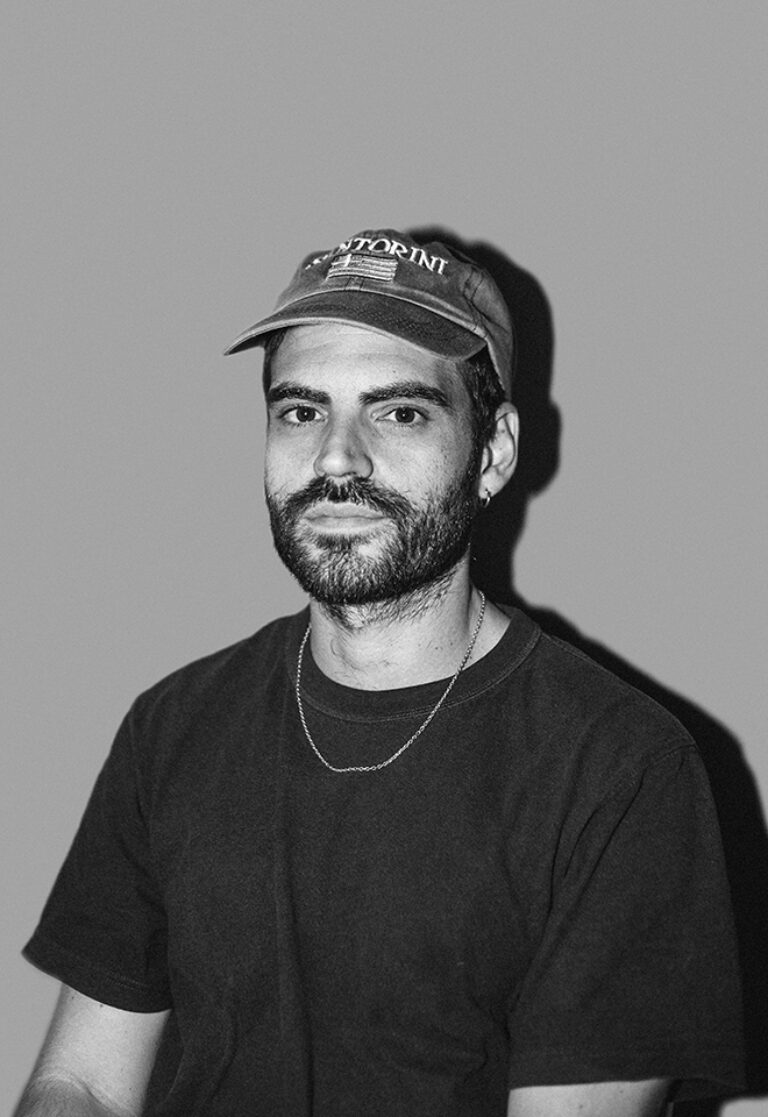
Jose Rosales graduated in audiovisual design from BAU Design University. Lover and observer of everyday life. FIFA professional player. Majorcan and Madridista. Urbanite. Perfectionist. Founder, Art Director and Creative Director at Codea Studio. I can’t stop swinging back and forth. Nervous and calm at the same time. I was hooked on Chinese food and now I’m hooked on Crossfit. A big fan of Denis Villeneuve, Jacques Tati, Camarón de la Isla, Kady Cain and Serge Gainsbourg.



Thu, May 9, 2024
masters’ talks
7.30 pm — Event at DHub
Open to the public
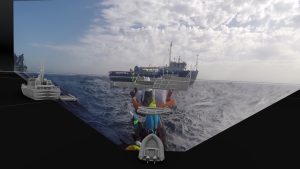
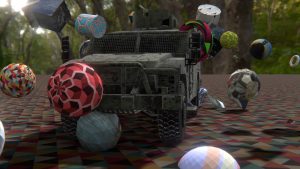
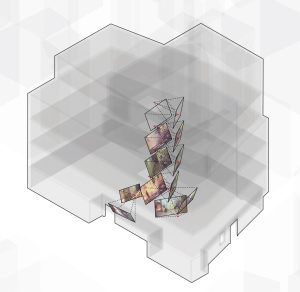
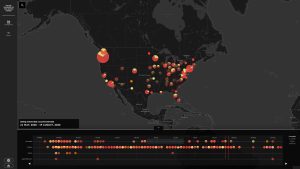
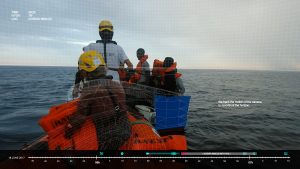
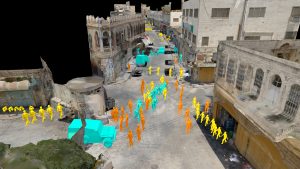
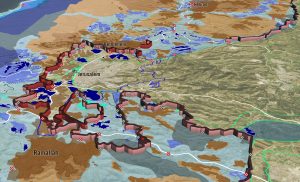
Eyal Weizman, Forensic Architecture
Ungrounding
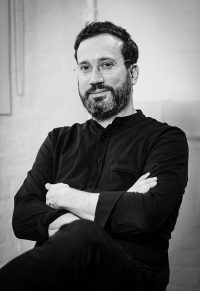
Eyal Weizman is the founder and director of Forensic Architecture and professor of Spatial and Visual Cultures at Goldsmiths, University of London, where in 2005 the founded the Centre for Research Architecture. In 2007 he set up, with Sandi Hilal and Alessandro Petti, the architectural collective DAAR in Beit Sahour/Palestine. He is the author of many books, including Hollow Land, The Least of all Possible Evils, Investigative Aesthetics, The Roundabout Revolutions, The Conflict Shoreline and Forensic Architecture. Eyal held positions in many universities worldwide including Princeton, ETH Zurich and the Academy of Fine Arts in Vienna.
He is a member of the Technology Advisory Board of the International Criminal Court and of the Centre for Investigative Journalism.
In 2019 he was elected life fellow of the British Academy. In 2020 he received an MBE for ‘services to architecture’ and in 2021 the London Design Award. Forensic Architecture is the recipient of a Peabody Award for interactive media and the European Cultural Foundation Award for Culture.
Eyal studied architecture at the Architectural Association, graduating in 1998. He received his PhD in 2006 from the London Consortium at Birkbeck, University of London.

© David Ausserhofer / Robert Bosch Academy
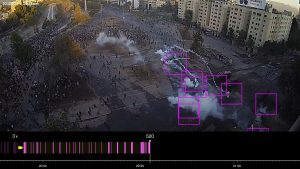
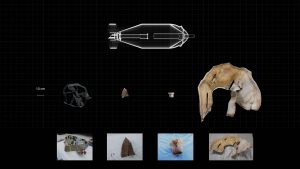
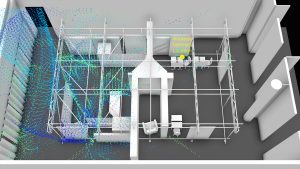
Forensic Architecture is a research agency based at Goldsmiths, University of London. Our mandate is to develop, employ, and disseminate new techniques, methods, and concepts for investigating state and corporate violence. Our team includes architects, software developers, filmmakers, investigative journalists, scientists, and lawyers.
We are an interdisciplinary agency operating across human rights, journalism, architecture, art and aesthetics, academia and the law; in 2022, the Peabody Awards programme wrote that we had co-created ‘an entire new academic field and emergent media practice’.