Events are an integral part of the master programs: from workshops with guests professors to lectures series with relevant practitioners.
Apr 23 — 27, 2026
Workshop
Serge Rompza, NODE Berlin Oslo
Beyond the Canon: Alternative Histories of Graphic Design
Only for MED students
Beyond the Canon: Alternative Histories of Graphic Design
Design history is not fixed — it is shaped by visibility, selection, and repetition.
This workshop revisits the canon of graphic design from a global perspective, focusing on historically relevant yet often underrepresented designers.
Each student will research and portray one designer, situating their work within its cultural, political, and technological context. Rather than simply presenting biographical information, participants will critically interpret and visually reframe these positions through editorial and typographic design.
The resulting works should not only communicate information but also respond visually to the designer’s attitude, working methods, and conceptual approach.
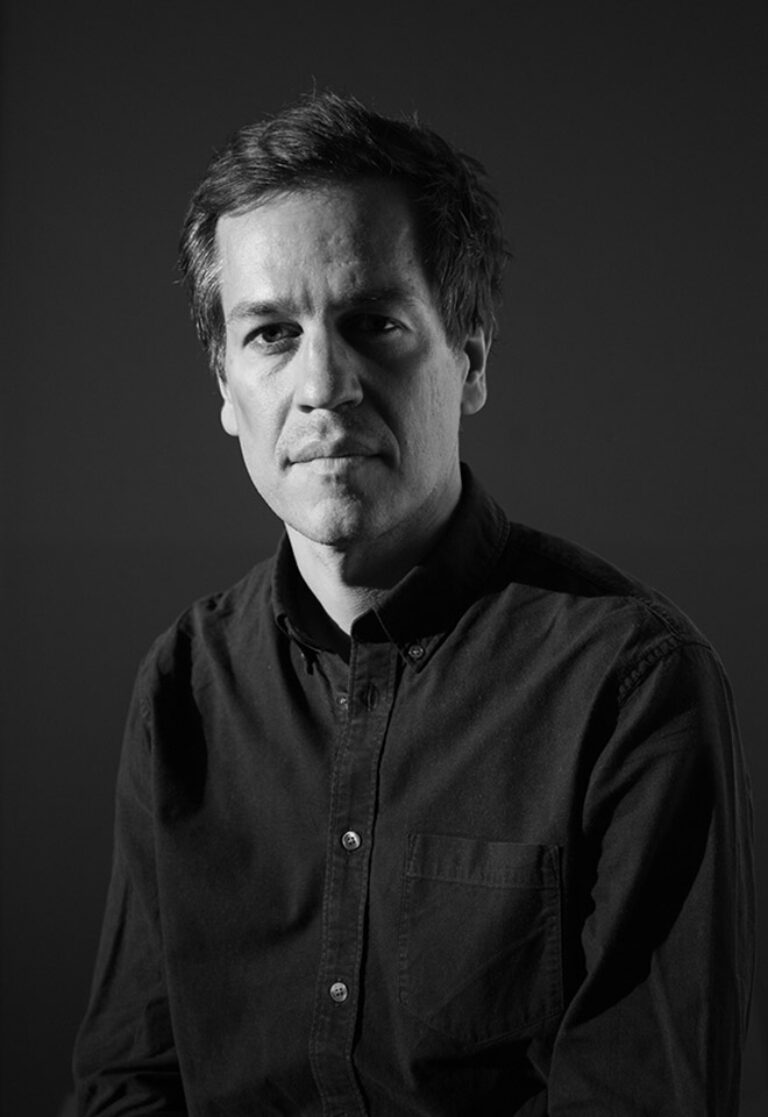
After graduating from Gerrit Rietveld Academie in Amsterdam, Serge Rompza has co-founded the Berlin and Oslo based design studio NODE in 2003, together with Anders Hofgaard. The two offices collaboratively focus on identity, print, exhibition and interactive work. Clients include Haus der Kulturen der Welt Berlin, Vitra, MIT Program in Art, Culture and Technology (ACT), Lithuanian Pavilion / La Biennale di Venezia, Office for Metropolitan Architecture (OMA).
Since 2004, he has regularly been teaching at art and design academies across Europe.


Feb 23 — 27, 2026
Workshop

Piero Di Biase, Formula Type
Modular approaches in Type Design: Resource or Restriction?
Only for MVD students
Modular approaches in Type Design: Resource or Restriction?
The workshop explores the possibilities that the module offers in structuring typographic forms, questioning whether it acts as a supportive framework or a creative constraint. Through the analysis of historical and contemporary modular typefaces, as well as the investigation of the module in art, design, and architecture, students will be guided to work within a modular system to design a display typeface. The aim is to understand how predefined structures can generate coherent visual languages while still allowing room for experimentation and expressive innovation.

© Andrea Arduini
Piero Di Biase is a graphic and type designer. He trained in the graphic arts sector and then became a graphic designer. After collaborating with various design agencies, in 2011 he co–founded Think Work Observe, where he worked for national and international clients until 2022, when he launched Formula Type, an independent digital foundry that produces and distributes retail and custom fonts. Since 2017, he has been a member of the Alliance Graphique Internationale (AGI).
Formula Type is a digital type foundry started in the wettest region in Italy. Formula is a potion blended especially for those who will drink it; Formula is a chemical equation that leads to a result. This playful yet precise idea captures the dual soul of Formula Type. Its past was graphic design, and its present is type design, but there’s no real separation between the past and the present. Our fonts are crafted with a flexible designer eye and in the fifteen years since our first releases they have evolved freely through experimentation. Our approach is that of expert beginners, always welcoming new partnerships and projects.


Wed, Apr 8, 2026
Graphic — Elisava lectures
7.30 pm — Sala Aleix Carrió
Open to the public

Bart de Baets
Paperclips
Paperclips
In his lecture, graphic designer Bart de Baets will show a large variety of works and elaborate more on the ways they find their form and are realized eventually. Although Bart’s practice is mostly spent working at the studio in Amsterdam, it is alternated by a parttime teaching position at the Royal Academy in The Hague, where he works with the first year students and the ones graduating. The way he teaches and cooks up his assignments is inspired by transforming everyday observations (at times obsessions) into educational exercises. The students are triggered to think of formal executions that evoke solutions close to Bart’s own practice visualizing abilities and editorial voice.
Although appearing less frequently today, Bart’s body of work’s been known to feature self initiated publications, such as Success and Uncertainty (together with Sandra Kassenaar), Dark and Stormy (together with Rustan Söderling), and Tabrat, a zine from 2022 in which de Baets confesses to be a tab hoarder (phone only, the browser tabs on his laptop are opened briefly and closed again efficiently) and shares them here with us in the charming A4-sized publication. His editorial assets have not been forlorn, and are frequently demonstrated more so in his collaborative works for artbook shop Page Not Found and exhibition space Nest (both are located in the city of The Hague). The talk at Elisava will prominently feature all of these works—and more—and provide insights into the developments of these designs by showing sketches, references and many inspirations.

Graphic designer Bart de Baets (1979, Knokke, BE) is based in Amsterdam. His design for the Sandberg Institute’s temporary master programme The Radical Cut Up was nominated for a Dutch Design Award. As a result, PostNL commissioned De Baets to design a series of stamps titled ‘Talk to the Hand’. With Sandra Kassenaar he designed the exhibition, campaign and catalogue for ‘Circulate’, an exhibition on photographic art acquisitions at the Stedelijk Museum Amsterdam. The two also design the graphic identity of Kunstmuseum Bochum. He designed ‘On the Necessity of Gardening: An ABC of Art, Botany and Cultivation’ (2021), which was published parallel to ‘The Botanical Revolution’, an exhibition at the Centraal Museum, Utrecht. That year, the Stiftung Buchkunst awarded the book with the highest prize in the category Best Book Design from all over the World. A second title in that series, Mothering Myths, an ABC of Art, Birth and Care was released in May of 2025, for which he collaborated once again with editors Laurie Cluitmans and Heske ten Cate. He holds a part-time teaching position at the Graphic Design department of the Royal Academy of Art in The Hague, and he has taught at the Gerrit Rietveld Academie in Amsterdam for fifteen years.
Being educated by notorious wild collaborator Will Holder, the radical typographic thinkers of Experimental Jetset and conceptual makers like Linda van Deursen, triggered Bart de Baets to think like an editor early in his graphic design studies, making zines with and for his peers, or whipping up catchy writings to go with his posters and projects. His design skills were fed ferociously when working with Maureen Mooren and Daniel van der Velden (now Metahaven) whose interest in art inspired him. For them, that always seemed to come first, then design. For the pages of Archis (an architecture magazine–now Volume), the layouts of existing periodical publications were used to give form to the magazine’s content, and Bart was taught to study their characteristics and so became an excellent copycat.
Over the years de Baets’ body of work has developed immensely mostly so by certain significant collaborations. A few early memorable ones have been those with Melanie Bonajo and Frank Koolen, two (then) Amsterdam-based artists not much older than himself and whose practice inspired an idea on which to work together, and which, in a way, kicked off de Baets’ career. The likes of Rustan Söderling and Sandra Kassenaar are of similar influence and remain crucial design partners; both are good friends to this day. Their influence on some self initiated works, such as Dark and Stormy and Success and Uncertainty is essential for de Baets’ current design approach and visual language. Kassenaar and de Baets nowadays share a studio and work together as designers regularly.
His designs are rooted heavily in a kind of conceptual thinking, and his abilities to think along editorially with commissioners has given Bart’s body of work an outspoken character. His work is distinctively playful and seemingly intuitive, giving the impression that the designs could be made quickly or hand-made. Yet, each one of the designs is a carefully put-together composition made according to a bunch of guidelines and often uses typography or visuals referencing things “found” on the street. For years Bart’s been a teacher in graphic design often working with the first year students, introducing them to the job. Surrounded by other designers, skilled coders, letter drawers and colour wizards, his teaching encourages to explore what it’s like to make art and design in today’s environments by demonstrating personal fascinations.


Wed, May 27, 2026
Masters’ Talks
7.30 pm — Event at DHub
Open to the public

Jonas Janke, b+
Love me one time, two times … x times !
Love me one time, two times … x times !
The lecture is not a conventional showcase of selected projects from our daily practice, but rather aims to provide a broader insight into the network of actors in which b+ (bplus.xyz) operates, how we understand the contemporary way of an architectural practice and scope of work of an architect, and how we approach our projects—in short: who b+ is and how we work, what our values are, and what our understanding of our duties and responsibilities as architects is.
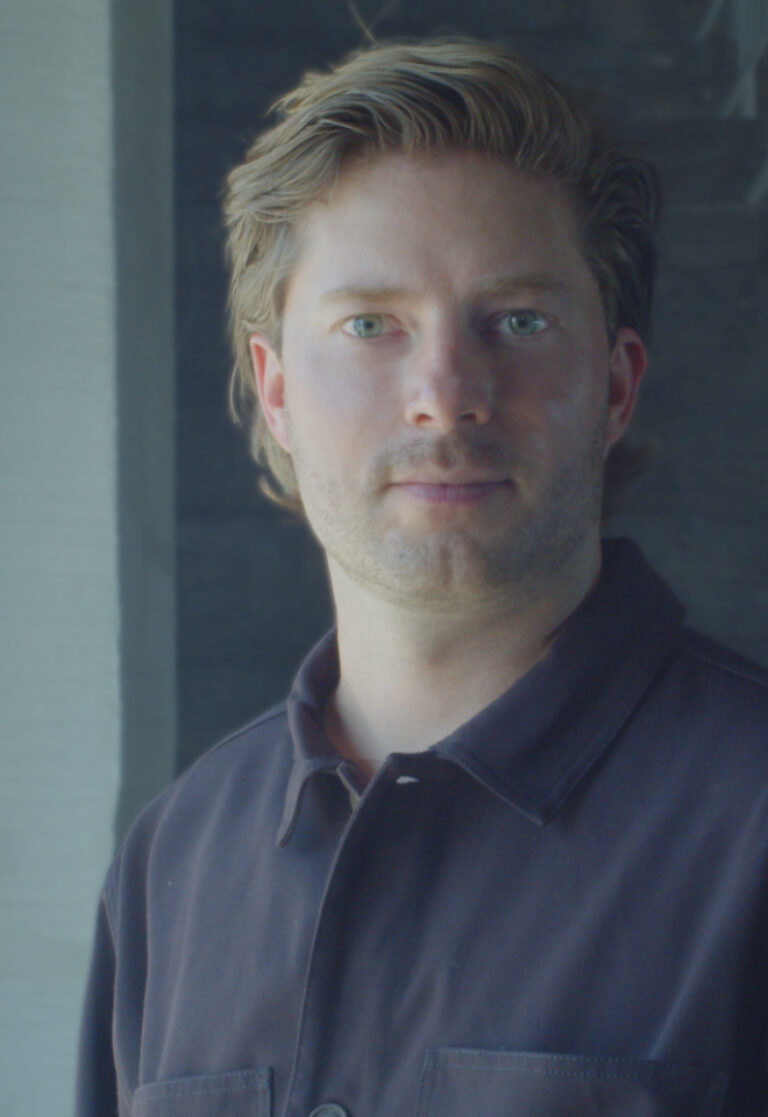
Jonas Janke (DE, 1991) is an architect and partner at bplus.xyz (Berlin). He has a diverse background in architecture, was trained as an architectural draughtsman before pursuing his studies in Hamburg, Stockholm, and Berlin. He gained valuable experience as a tutor and assistant in various departments including design & typologies, building construction, and structural design. He was part of the team 2038, the German Pavilion at 17th Venice Architecture Biennale 2021.
His early teaching experiences include guest studios at the University of Innsbruck (Austria) and Politecnico di Milano (Italy). He is regularly invited to give lectures and guest critiques at universities, cultural institutions, and public institutions. His focus is on new ecological construction materials and methods for adaptive reuse and renovation projects, seeking pragmatic and efficient technical and mechanical solutions that use material and construction thoughtfully.
bplus.xyz (b+) is a collaborative architecture practice (led by Arno Brandlhuber, Olaf Grawert, Jonas Janke and Roberta Jurčić) that operates at the intersection of theory and practice, using different media and formats. The practice seeks to engage with the contemporary challenges of our time, particularly those related to the social-ecological transformation of existing buildings, offering economically viable solutions.
b+ understands architecture as an open process, and views buildings as part of larger systems that require a systemic approach. The practice sees the given framework of existing buildings and legislation as an active design tool with the potential for transformation. Thus, b+ celebrates the potential of the existing built environment and aims to reveal and activate the latent potentials within.
b+ emphasizes working with different actors and stakeholders in project development. The practice values their knowledge and expertise and aims to create spaces for exchange and collaboration. b+ seeks to advance a new value system in architecture, one that places greater emphasis on collective responsibility, systemic thinking, and ecologically and economically viable solutions.
The current project in the field of political activism is the European citizens’ initiative HouseEurope! – HouseEurope! wants to create incentives that make renovation the new norm. This will boost the renovation market and give new value to what is already there. The goal is to preserve homes and communities, ensure a fairer and more local building industry, save energy and resources, and preserve our memories and stories.


past events
6 — 10 may, 2024
workshop

Jon Uriarte
Photobook
Only for MED students
Introduction in the world of the photobook from its foundations, history and current situation.
Students will acquire knowledge about their conception and work process developing a project with an author. Narrative, rhythm and sequence when the main content is image.
Jon Uriarte studied photography at the Institut d’Estudis Fotogràfics de Catalunya and at the International Center of Photography in New York, as well as a master’s degree in Artistic Projects and Theories from PhotoEspaña and the Universidad Europea de Madrid. He has exhibited in various art centers and galleries, both in collective and individual shows, among which are La Casa Encendida in Madrid, the Koldo Mitxelena in Donostia, Studio 304 in New York, the HBC center in Berlin and the Sala d’Art Jove in Barcelona.
He was the founder of Widephoto, an independent platform dedicated to curating and activities around contemporary photography. In addition, he conceptualized and coordinated for 3 years DONE, the project on reflection and visual creation promoted by Foto Colectania. He currently lives in San Sebastián, from where he combines the curatorship of The Photographers’ Gallery digital programs with the curatorship of the Getxophoto International Image Festival.
may 6 — 10, 2024
workshop
Jose Rosales, Codea Studio
The Art of Stealing
Only for MVD students
The Art of Stealing Workshop aims to explore the idea of appropriation in graphic design. While modifying and sharing content is widespread in digital culture, it is not a new phenomenon. During the workshop, we will examine the potential of this practice in creating works that challenge dominant narratives or collective beliefs, leading to unconventional proposals that stand out from the norm.
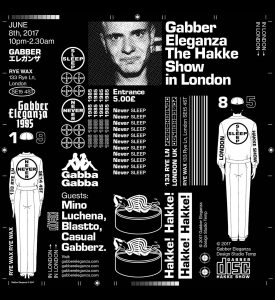
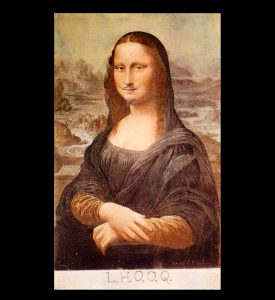
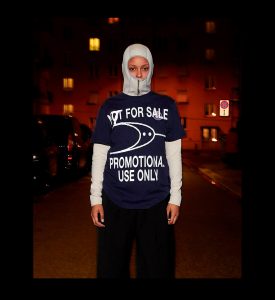
The workshop will focus on the concept of Appropriationism, from its origins as an artistic movement to its contemporary practices, from Duchamp to Rosalía. Participants will carry out two practical exercises: in the first one, they will intervene on textile objects to re-signify them, combining concepts and printing techniques. In the second exercise, they will create posters or promotional flyers using the same appropriation approach. The workshop will conclude with a textile printing session, where students will put into practice the interventions they have previously designed.
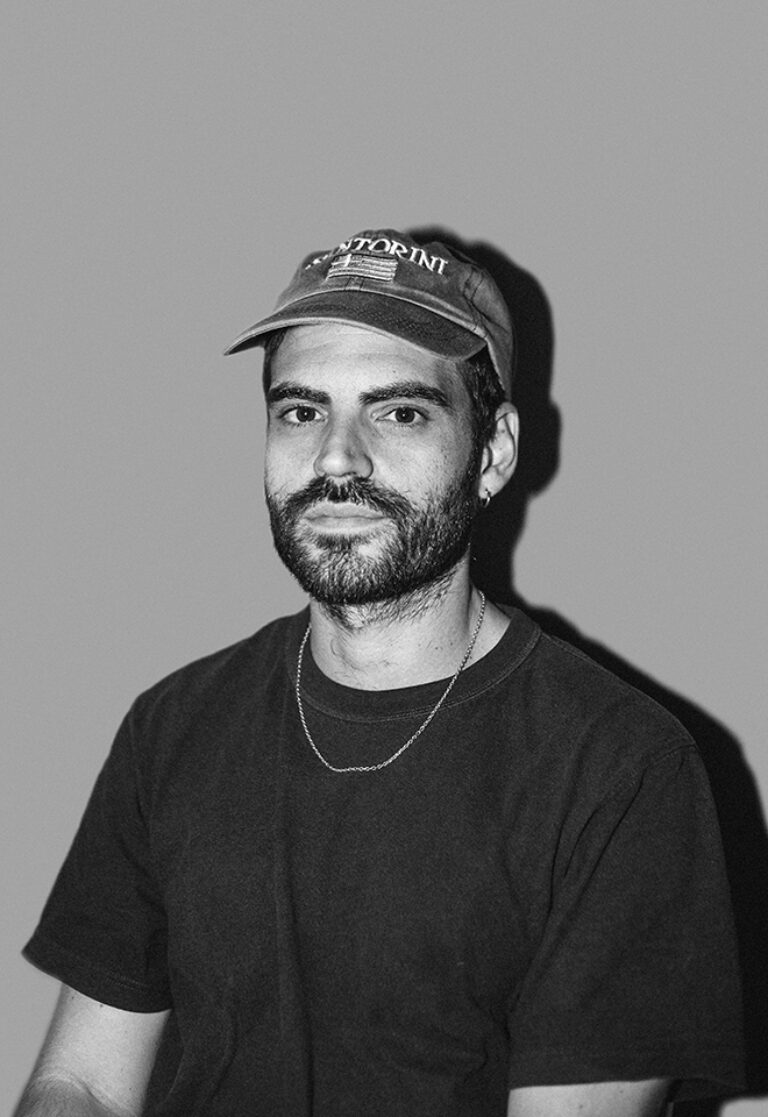
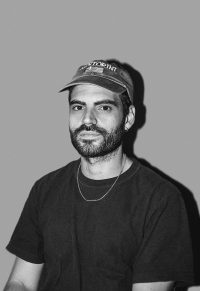
Jose Rosales graduated in audiovisual design from BAU Design University. Lover and observer of everyday life. FIFA professional player. Majorcan and Madridista. Urbanite. Perfectionist. Founder, Art Director and Creative Director at Codea Studio. I can’t stop swinging back and forth. Nervous and calm at the same time. I was hooked on Chinese food and now I’m hooked on Crossfit. A big fan of Denis Villeneuve, Jacques Tati, Camarón de la Isla, Kady Cain and Serge Gainsbourg.
Thu, May 9, 2024
masters’ talks
7.30 pm — Event at DHub
Open to the public
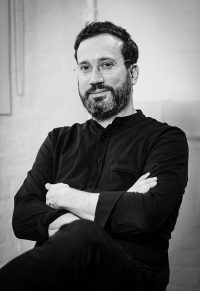
Eyal Weizman, Forensic Architecture
Ungrounding
Eyal Weizman is the founder and director of Forensic Architecture and professor of Spatial and Visual Cultures at Goldsmiths, University of London, where in 2005 the founded the Centre for Research Architecture. In 2007 he set up, with Sandi Hilal and Alessandro Petti, the architectural collective DAAR in Beit Sahour/Palestine. He is the author of many books, including Hollow Land, The Least of all Possible Evils, Investigative Aesthetics, The Roundabout Revolutions, The Conflict Shoreline and Forensic Architecture. Eyal held positions in many universities worldwide including Princeton, ETH Zurich and the Academy of Fine Arts in Vienna.
He is a member of the Technology Advisory Board of the International Criminal Court and of the Centre for Investigative Journalism.
In 2019 he was elected life fellow of the British Academy. In 2020 he received an MBE for ‘services to architecture’ and in 2021 the London Design Award. Forensic Architecture is the recipient of a Peabody Award for interactive media and the European Cultural Foundation Award for Culture.
Eyal studied architecture at the Architectural Association, graduating in 1998. He received his PhD in 2006 from the London Consortium at Birkbeck, University of London.

© David Ausserhofer / Robert Bosch Academy
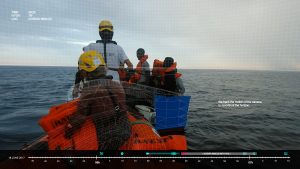
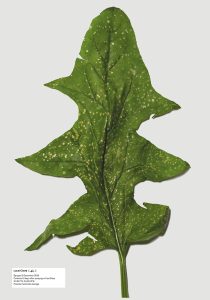
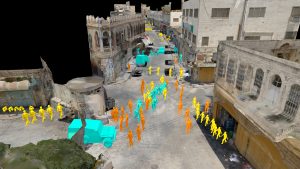
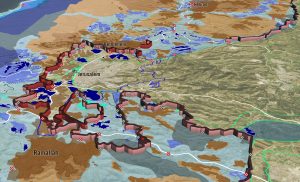
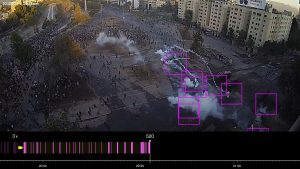
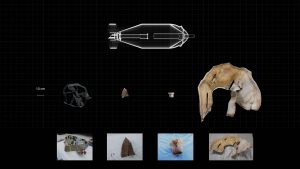
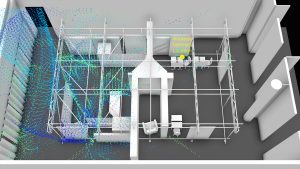
Forensic Architecture is a research agency based at Goldsmiths, University of London. Our mandate is to develop, employ, and disseminate new techniques, methods, and concepts for investigating state and corporate violence. Our team includes architects, software developers, filmmakers, investigative journalists, scientists, and lawyers.
We are an interdisciplinary agency operating across human rights, journalism, architecture, art and aesthetics, academia and the law; in 2022, the Peabody Awards programme wrote that we had co-created ‘an entire new academic field and emergent media practice’.
Apr 15 — 19, 2024
workshop
Serge Rompza, NODE Berlin
Bootleg Week
Only for MED students
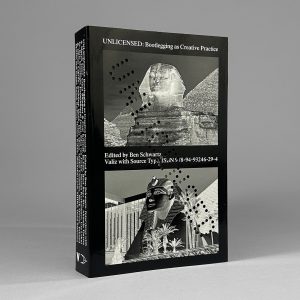
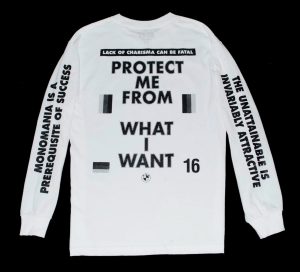
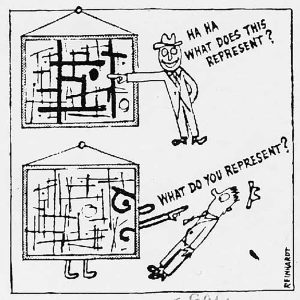
In this workshop, we will turn bootlegging into a method and examine the phenomenon that originally developed from smuggling and pirating into a common practice in the music and fashion sector, but today also in the world of graphic design and branding. Your task will be to develop your own bootleg and explore the boundaries between piracy, homage and re-creation. The choice of media is expected to be free.
How do you want to position yourself and your way of working in a world in which your work is influenced by countless impressions, especially from the Internet and social media. Today you have access to many sources of information and influences. To what extent do you allow your work to be influenced by other styles and methods, and how can you claim authorship for your work? Who owns an idea? We will try to approach this topic in the workshop and discuss it. Have fun!
After graduating from Gerrit Rietveld Academie in Amsterdam, Serge Rompza has co-founded the Berlin and Oslo based design studio NODE in 2003, together with Anders Hofgaard. The two offices collaboratively focus on identity, print, exhibition and interactive work. Clients include Haus der Kulturen der Welt Berlin, Vitra, MIT Program in Art, Culture and Technology (ACT), Lithuanian Pavilion / La Biennale di Venezia, Office for Metropolitan Architecture (OMA).
Since 2004, he has regularly been teaching at art and design academies across Europe.
Wed, Apr 10, 2024
masters’ talks
7.30 pm — Event at DHub
Open to the public
Irma Boom
Boom & Book
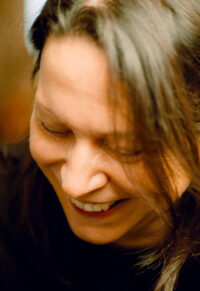
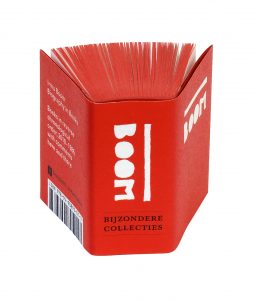
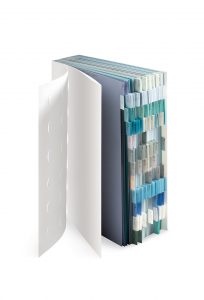
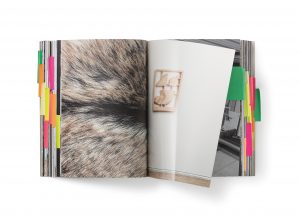
Irma Boom is a bookmaker based in Amsterdam. She has created over five hundred books. Her experimental approach often challenges the conventions of traditional books in both physical design and printed content. Since 1992, Boom has been senior critic at Yale University, New Haven, Connecticut, and she gives lectures and workshops worldwide. She has received many awards for her book designs and, in 2001, was the youngest person ever to receive the Gutenberg Prize.
Boom’s books are in the permanent collections of the Museum of Modern Art, New York; Art Institute of Chicago; Vatican Library; and Centre Pompidou, Paris, among other institutions. The Special Collections of the University of Amsterdam collect her complete oeuvre. In 2014, Boom received the Johannes Vermeer Award, the Dutch state prize for the arts. In 2019, she received an honorary doctorate from the Royal College of Art, London.
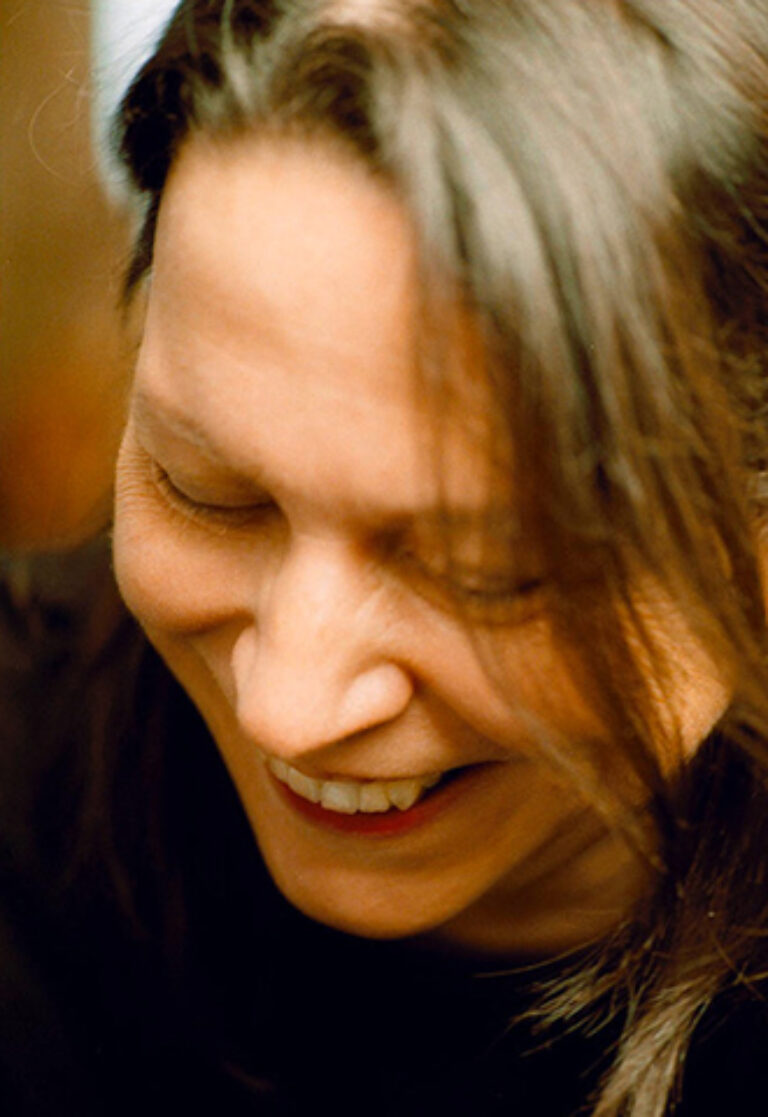
The Survival of the Book or The Renaissance of the Book!
The distribution of information has always been dependent on its changing form. The classic book can’t escape that and is now feeling it acutely. The digital book is decidedly on the rise. But its appearance in the form of flat, digital images need not threaten the three-dimensional book. The new competition even encourages us to explore the intrinsic characteristics of the printed book more intensely.
I think we stand on the verge of a new flourishing of the classic book. Perhaps it has even begun already: the Renaissance of the book. For the printed book, preconceived layouts are a thing of the past. The book designer must first become thoroughly familiar with the content before beginning the actual task at hand: conceiving a structure and a form. One can compare designing a book to performing a piece of music: a conductor explores the music and interprets it. The book designer is an editor and director of texts and images.
The result of this effort is the freezing of time and information, which is a means of reflection; compare it to a photograph or a painting. An image at a given moment serving as a reference of time and place. The flux inherent in the internet doesn’t allow you that kind of time. The printed book is final and thus unchangeable. Moreover, the extra use of base materials and man-hours (with printing and binding) forces you, to some degree, to make conscious choices.
I make books where content and form are closely connected. The content of the material very much determines the design. This makes each book unique: never the result of routine treatment. My books have a physical presence through their dimensions, scale and weight. Their form may be emphatic, but it is always determined by the content. The need for the book’s intimacy – the paper, the smell of ink – is certainly not nostalgia or false sentiment.
The printed book is a fundamental and integral part of our tradition and culture, of published and public knowledge and wisdom. The book is dead. Long live the book!
Wed, Apr 3, 2024
graphic.elisava lectures
7.30 pm — Sala Aleix Carrió
Open to the public
Julie Peeters
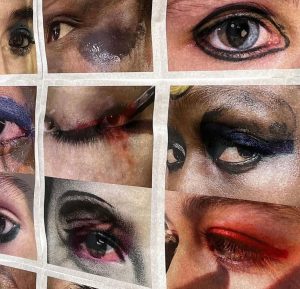
EYES
Open to the public
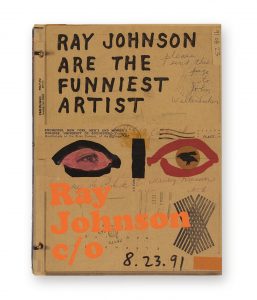
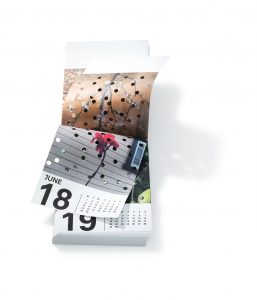
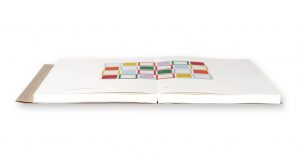
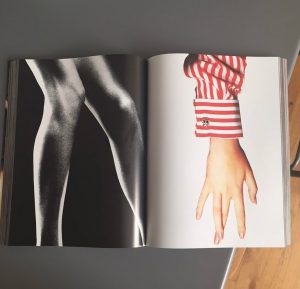
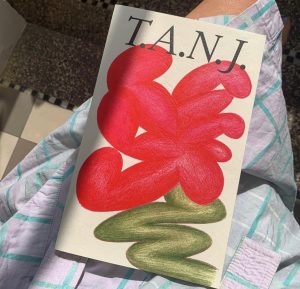
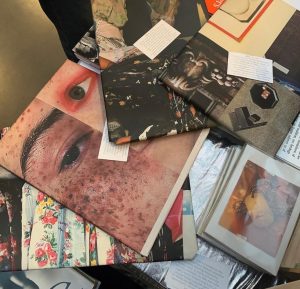
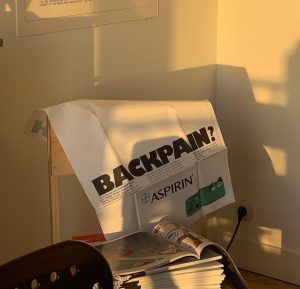
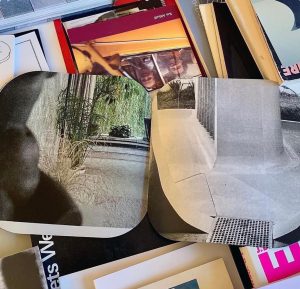
In my work as an independent graphic designer I’ve always been very focussed on images and how the printed image can communicate ideas and be read. For my lecture I would like to focus more on this, and explain how I’ve explored this throughout different projects. Starting from a few commissions to my self initiated work with BILL magazine and related publications, as well as MMDC a series of publications portraying libraries.
I will discuss my role as a graphic designer in commissioned projects, how these projects feed into editing BILL, the importance of paper and exploring the offset printing process and how I distribute my own publishing through curated events and gatherings.
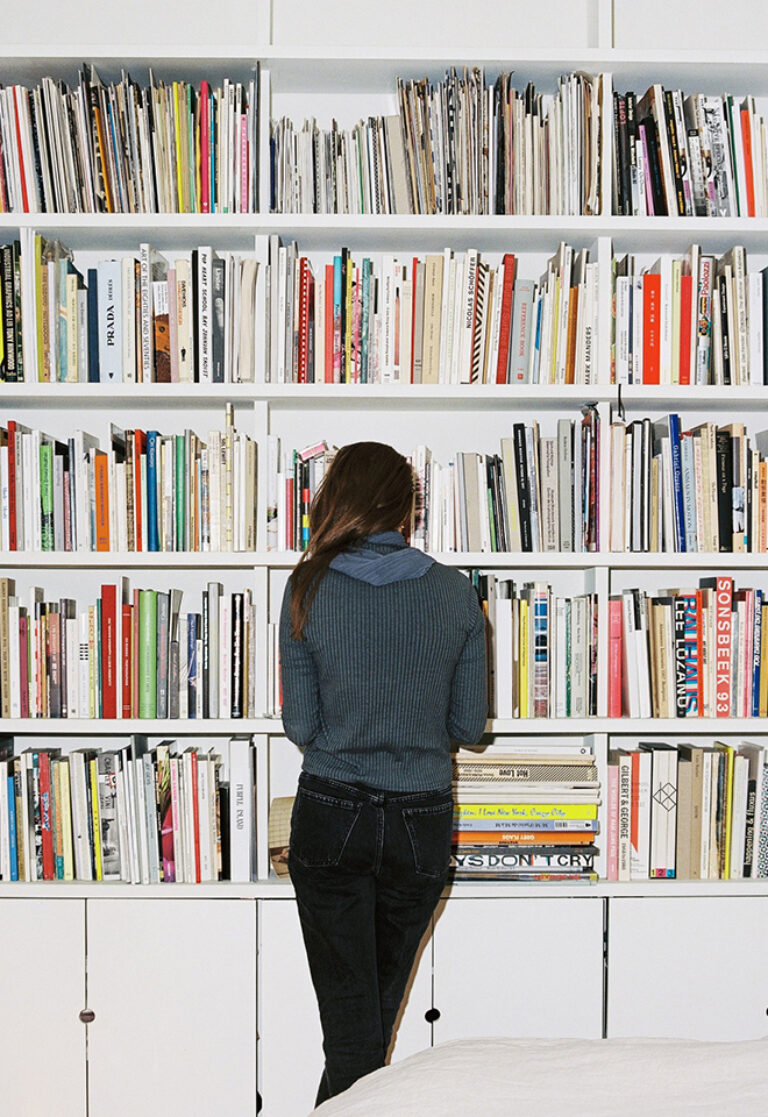
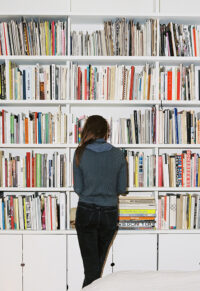
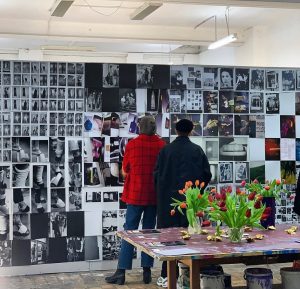
Julie Peeters (Hasselt, BE) is a designer and editor based in Brussels. She studied graphic design at Sint Lukas in Ghent, was a researcher at the Jan Van Eyck Academy (Maastricht) and graduated from the Werkplaats Typografie in 2009. Working closely with artists, photographers and curators around print is the core of her practice. In 2021, she presented her first solo exhibition, Daybed, at MACRO in Rome. Julie has worked on artist books with Linder Sterling, Silke Otto Knapp, Rosalind Nashashibi, Yuji Agematsu, Thomas Demand among many others.
Julie is the founder and creative director of BILL, an annual magazine of photographic stories and a publisher of slow visual material. Peeters has taught at the Gerrit Rietveld Academy, Amsterdam, and currently teaches at KASK School of Arts, Ghent.
Overlapping design and visual arts with an editing, publishing and educational practice, my work explores the possibilities of printed matter as a medium and what it means to edit through design. In 2017 I founded BILL, an annual periodical that takes the form of a glossy magazine without words, presenting a collection of visual essays by invited contributors that explore the potential of printed images in a digital age.
My practice both questions and celebrates the power of print. By combining the roles of editor-in-chief and art director I use BILL as a tool to investigate ways to both create and present content, as well as a vehicle to investigate the possibilities of printing.
Once printed, BILL becomes a prompt for discussions on image distribution and consumption, how images are read on a page and what it means to publish a printed object in a time of climate collapse and digital communication
Mar 18 — 22, 2024
workshop
Jorge León & Mikel Romero, León Romero
Logographic Systems
Only for MVD students
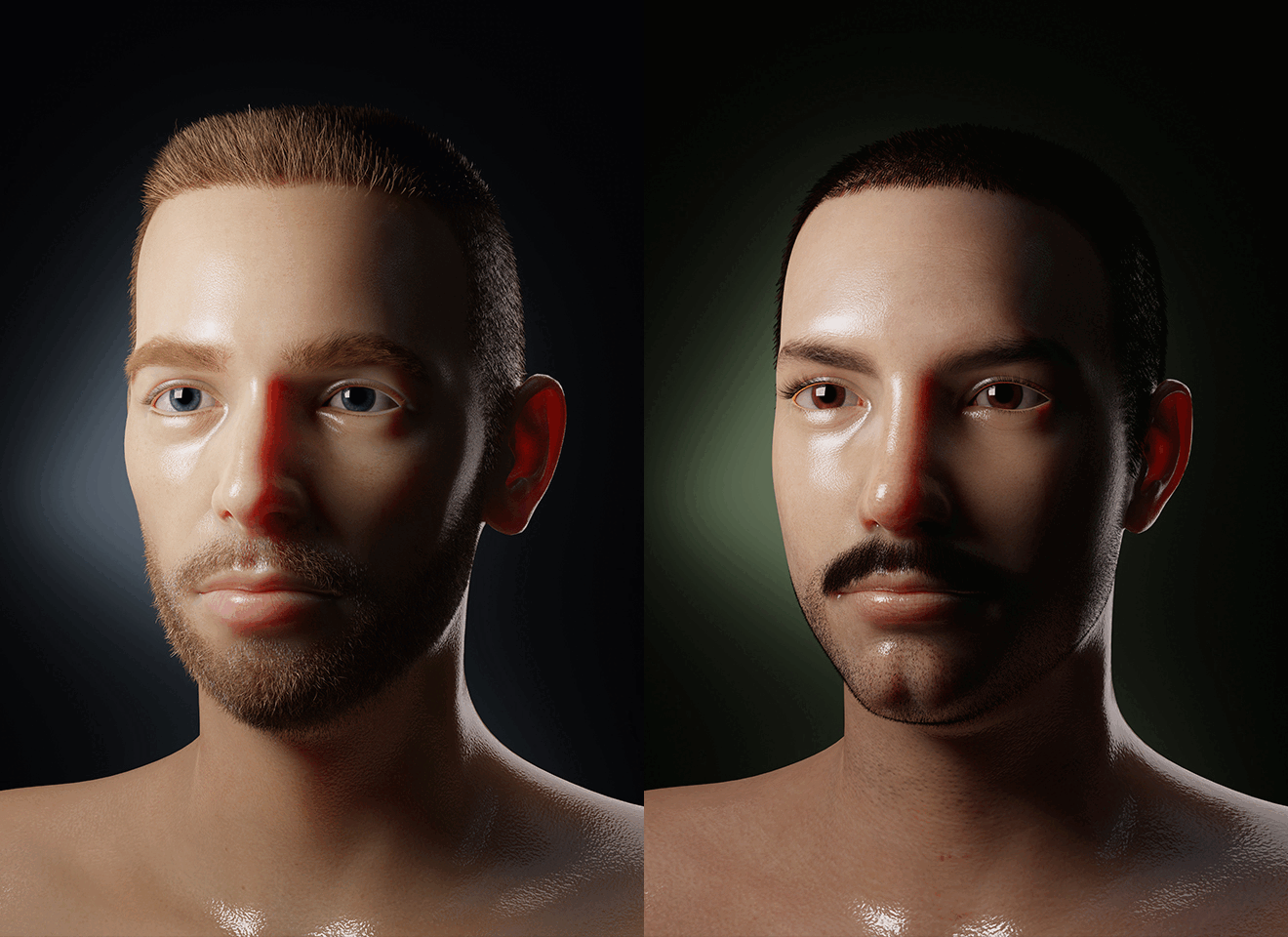
A logographic writing system is a type of writing system in which each symbol or logogram represents a whole word or a significant concept. In this workshop, we will create a new writing system that is directly linked to the human experience based on a series of concepts. To do this, we will appropriate the cultural, visual, historical… references from different existing ethnic tribes that will give us a starting point from which students can develop the exercise.
The student will refine both their conceptual ability and their synthesis capacity for the ideation of a graphic system and will develop sensitivity towards form/counterform from a visual perspective. We aim to raise awareness of the cultural value of writing itself, exploring conceptual and formal boundaries, paving the way for experimentation and research.
LEÓN ROMERO is a Barcelona-based visual communication studio founded by Jorge León and Mikel Romero. The studio takes a collaborative approach to creative direction and graphic design to produce bold, functional solutions for culture and commerce.
Driven by typographic design, LEÓN ROMERO provides an array of services including visual identity, graphic campaigns, editorial and web design, packaging, and art direction. The studio maintains a strong relationship with a vibrant network of photographers, illustrators, editors and copywriters to deliver projects both large and small.
Wed, Mar 20, 2024
bookworm
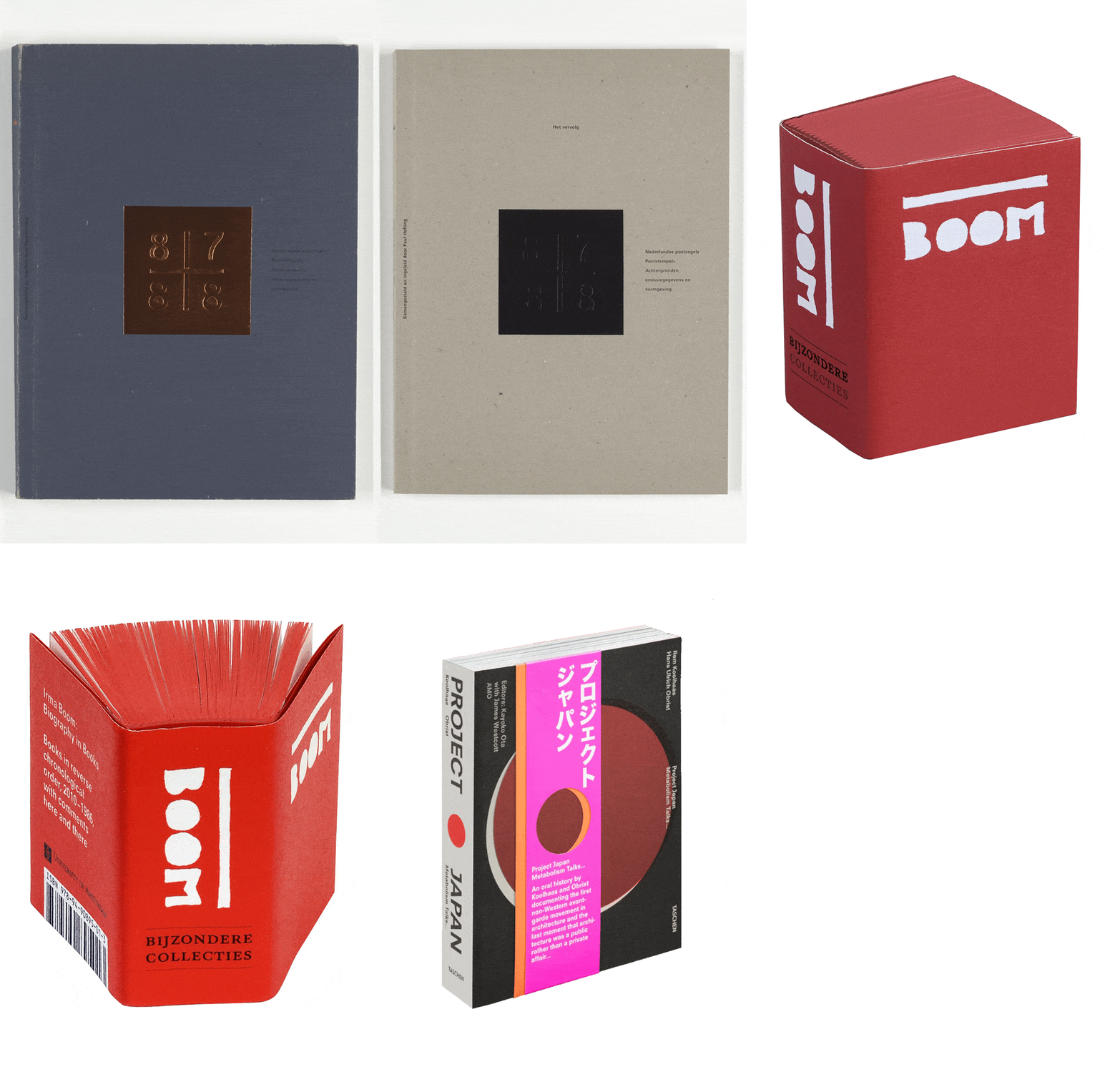
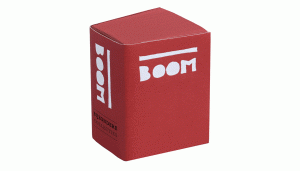
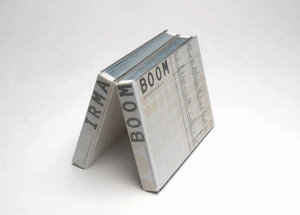
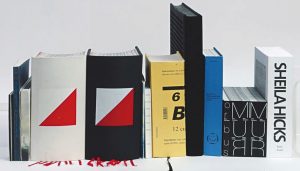
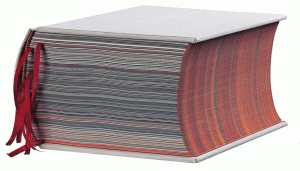
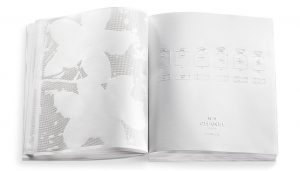
Irma Boom's books
Only for MED students
Irma Boom’s books
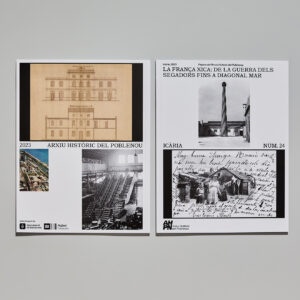
The Dutch designer is one of the leading figures in contemporary editorial design. Since the beginning of her career in the mid-1980s, Irma Boom has contributed to the revaluation of the book as an object, questioning the primacy of the electronic format that some predicted. Her books have a material quality that goes beyond the content.
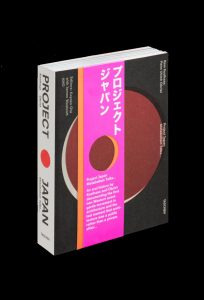
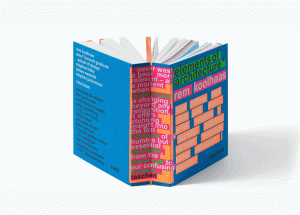
Over the Bookworm sessions we will explore several iconic books that capture the spirit of the era in which they were designed. We will place the books in their context and try to define what makes them relevant in the history of 20th century editorial design. The Bookworm sessions are guided by Andreu Jansà, librarian and curator of the Enric Bricall Reserve Fund.
Wed, Mar 13, 2024
graphic.elisava lectures
7.30 pm — Sala Aleix Carrió
Open to the public
Julia Born
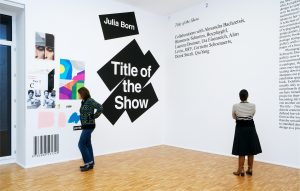
Title of the Talk
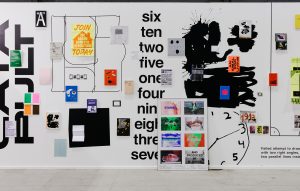
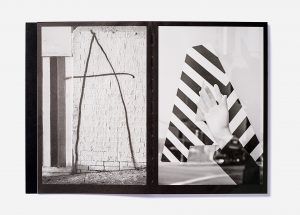
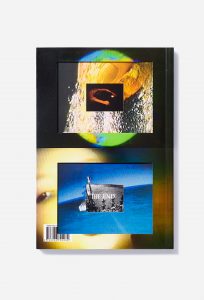
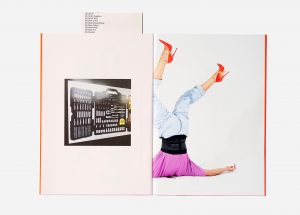
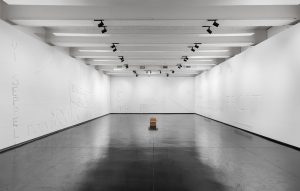
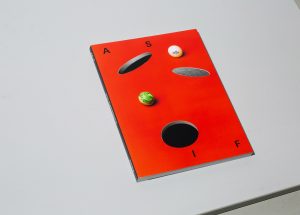
The design of a book and of an exhibition are two distinct yet interrelated practices. While both are spatial concepts through which narratives are articulated and displayed, they manifest under different physical and disciplinary conditions. Julia Born’s practice encapsulates an inquiry into these formats, challenging them and expanding the notion of design across media and disciplines. Language and its ambiguous qualities are at the center of her project, which she explores through commissioned and independent work—for instance her recent solo show All Capitals at MACRO in Rome, or various collaborations with choreographer Alexandra Bachzetsis.
© Diana Pfammatter
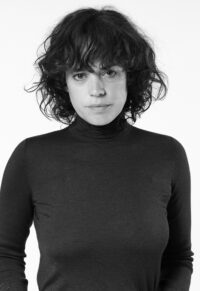
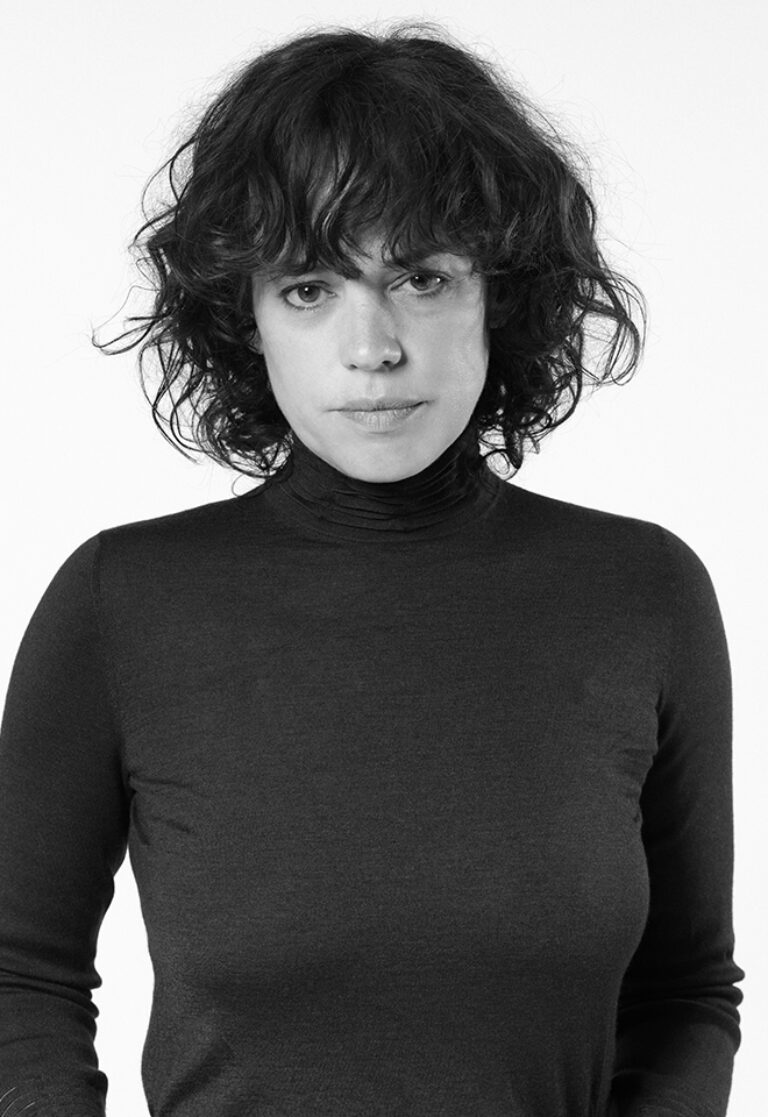
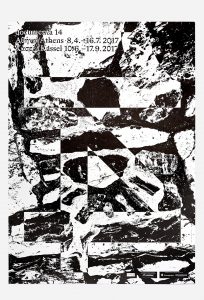
Julia Born is a designer and educator based in Zurich. Her work focuses on editorial design, exhibition design, and graphic identities for a variety of cultural institutions, including Stedelijk Museum and Rijksakademie van beeldende kunsten in Amsterdam; Kunsthalle and Kunstmuseum Basel; Guggenheim Museum in New York; HKW and Brücke-Museum in Berlin; and documenta 14 in Athens/Kassel.
She has designed monographs for artists such as Michel Auder, Miriam Cahn, Vivian Suter, and Elisabeth Wild. Born teaches editorial design at Master Type Design at ECAL, École cantonale d’art de Lausanne, and is a visiting lecturer at international art and design institutes. Solo exhibitions include All Capitals (MACRO—Museo d’Arte Contemporanea di Roma, 2022) and Title of the Show (Galerie für Zeitgenössische Kunst Leipzig, 2009). Born is the recipient of the Swiss Grand Award for Design, awarded by the Swiss Federal Office of Culture in 2021.
Wed, Mar 6, 2024
bookworm
Emigre magazine
Only for MED students
Emigre magazine
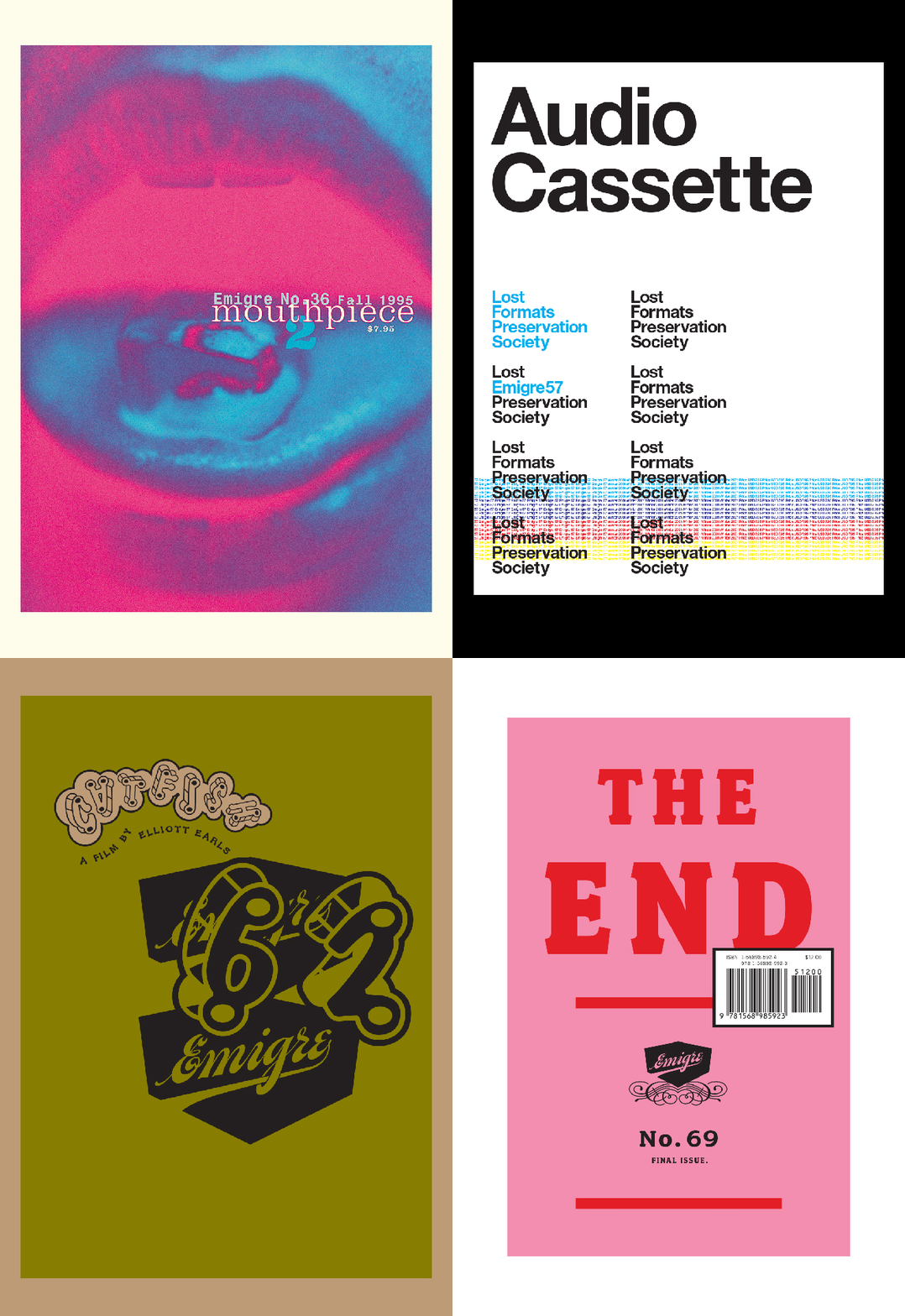
Emigre was a typography magazine that had considerable significance at the end of the last century as it questioned the modern canon in terms of grid, composition and legibility. Its editors and designers, Rudy Vanderlans and Zuzana Licko, initiated a debate that popularized typography through advertising and graphic design.
Over the Bookworm sessions we will explore several iconic magazines that capture the spirit of the era in which they were designed. We will place the magazines in their context and try to define what makes them relevant in the history of 20th century editorial design. The Bookworm sessions are guided by Andreu Jansà, librarian and curator of the Enric Bricall Reserve Fund.


Wed, Feb 28, 2024
graphic.elisava lectures
7.30 pm — Sala Aleix Carrió
Open to the public

Samar Maakaroun, Pentagram
Artist, Imposter or somewhere in between?
Aristotle first explored the idea of becoming by doing, he says ‘we become just by doing just things, moderate by doing moderate things, brave by doing brave things.’
That same idea translates today in the saying ‘Fake it till you make it’.
But when do we make it? How do we make it? Is making it an external or internal feeling?
Does anyone ever tell us: ‘You made it. Well done. You’ve arrived’?
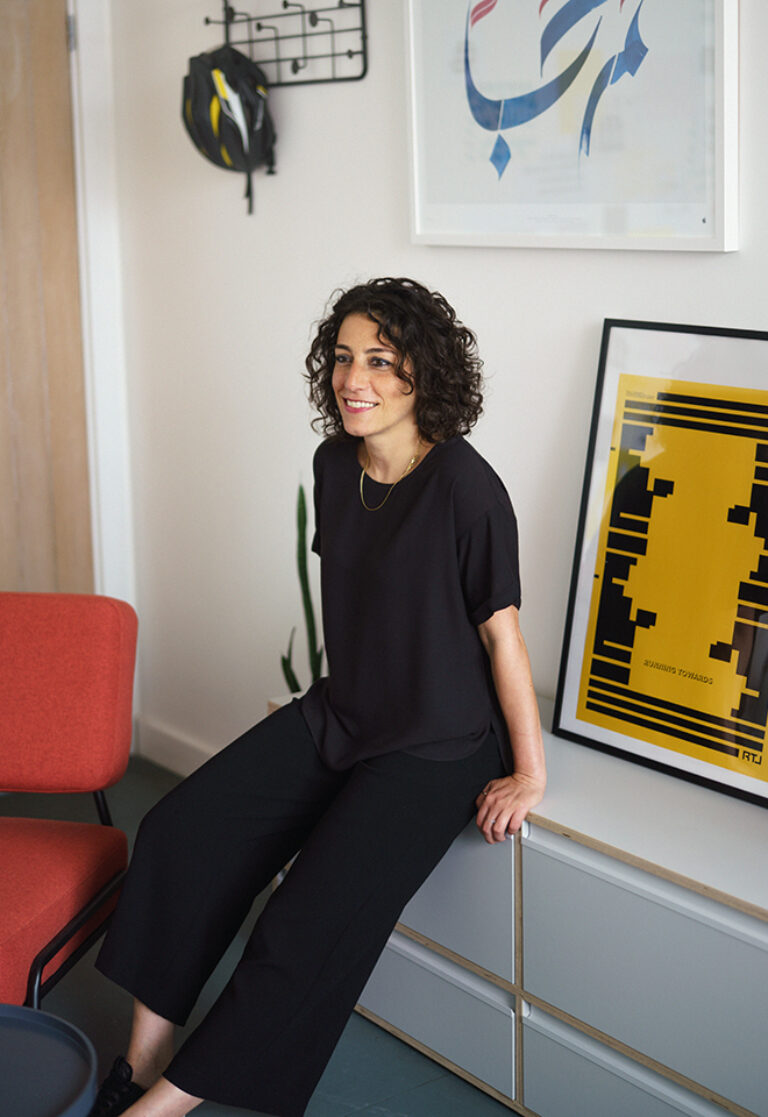
In this talk, Samar Maakaroun will share stories, projects, moments from her career that fall somehow between the faking and the making, and what it all comes down to.
Arab and British in equal measure, Samar Maakaroun is a designer and creative director renowned for her creatively multilingual approach to design.
Growing up in Beirut before moving to London in 2005, Samar is fluent in three languages and two cultures. Spanning 20+ years across branding, digital storytelling, scenography and typography, her career has focused on balancing aesthetics, context and heritage with brand voice and purpose.
In a globalized world with burgeoning diasporic communities in every city, Samar believes in embracing the fluidity and nuances of identity, seeing complexity as a source of creative inspiration and narrative power. Her work explores the space in-between – where cultures and languages intersect, integrate, align or diverge.
Samar founded Right to Left in 2021, a design agency that straddles cultures and typographic traditions. Specialising in designing for hybrid brands, the multidisciplinary team speaks seven languages and crosses three generations, working to fluidly integrate worlds, cultures and languages across naming, brand strategy, brands systems and identities.
An example of their language-hopping, culture-crossing approach manifested in the typographic project, 29 Words for 29 Letters, which explores language, translation, and the fluidity of meaning through design.
In 2023, Samar brought her Right to Left team to Pentagram‘s London office, where she joined as one of the eleven partners.


Feb 19 — 23, 2024
interdisciplinary workshops

Christoph Brach, Raw Color
Wind Things
Only for masters students
The aim of the workshop is to create a graphic object that interacts with wind and will be able to generate energy. During the workshop the participants will develop their own Wind Thing. These objects should unite the artistic appearance of a kinetic object with the function of a small scale wind turbine.
We will start to make simple test with colour, pattern, shapes and rotation. They should influence each other to create a unity. From there you will chose the design that works best. Together we will develop a working prototype that is able to rotate and generate electricity.
The world is looking for solutions in the energy transitions. Big scale wind turbines are often unwanted due to their size and appearance. Beautifully designed small scale wind turbines could become an addition of wind energy for private context.

The work of Raw Color reflects a sophisticated treatment of material and colour by mixing the fields of graphic design and photography. This is embodied through research and experiments, building their visual language. Daniera ter Haar & Christoph Brach work on self initiated and commissioned projects in their Eindhoven based studio.


